Motor insurance claim rejections are being driven less by technicalities and more by driver behaviour – with direct implications for underwriting, advice, and client outcomes.
Data from the Insurance Data System (IDS) and findings from the National Financial Ombud Scheme (NFO) show that driver conduct, vehicle condition, and compliance with legal requirements directly influence both accident outcomes and claim decisions.
As traffic volumes rise over the Easter period, these patterns point to a persistent risk factor in motor books: behaviour.
Motor claims dominate disputes
A significant proportion of disputes handled by the NFO relate to motor vehicle claims, reflecting the prominence of road-related incidents in overall insurance complaints.
Motor claims continue to represent a large share of cases referred for determination, with many disputes arising from rejections linked to policy exclusions or a failure to exercise reasonable care.
Rejected claims account for approximately 10% of total annual non-life claims, a proportion that has declined since 2020 but remains material.
The IDS – a database of claims submitted by participating members of the South African Insurance Association (SAIA) – provides aggregated insight into these trends, although not all insurers contribute data.
IDS data shows that a notable portion of claim repudiations is associated with road safety risks and breaches of duty of care.
Despite the decline in overall rejection rates, the underlying pattern remains unchanged: most repudiations are driven by preventable driver behaviour and non-compliance with traffic regulations, rather than administrative or technical factors.
What is driving repudiations
Recurring patterns in IDS and NFO data point to a narrow set of behavioural triggers.
- Driving under the influence remains one of the most common causes. Where legal limits are exceeded, claims are typically rejected due to both legal non-compliance and breach of policy conditions – leaving policyholders exposed to full financial liability.
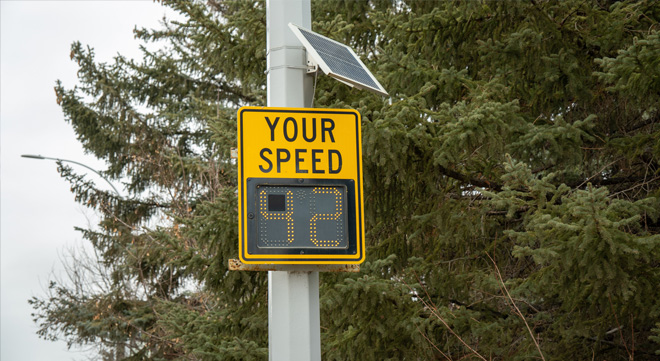
- Speeding and reckless driving follow closely. Where excessive speed or aggressive driving contributes to an accident, insurers may rely on “reasonable precautions” clauses to repudiate claims on the basis of gross negligence.
- Vehicle condition is another recurring factor. Claims may be declined where accidents are linked to unroadworthy vehicles, including worn tyres or defective brakes.
- Policy compliance issues also arise where vehicles are driven by unlicensed or undisclosed drivers – a risk that increases during holiday periods when vehicles are shared.
- Misrepresentation and non-disclosure remain persistent, with rejected claims often linked to inaccurate reporting, pre-existing damage, or fraud.
Beyond accidents: the financial impact
Beyond accident statistics reported by the Road Traffic Management Corporation (RTMC), rejected claims represent a significant and often overlooked consequence of unsafe driving.
Where claims are rejected, the financial burden shifts to the policyholder – including both own damage and third-party liability, which can be substantial.
For advisers and insurers, the data points to a gap between policyholder expectations and policy conditions.
For advisers, the focus is on ensuring clients understand:
- What constitutes reasonable care;
- when cover may be voided; and
- the consequences of non-disclosure.
For insurers, behavioural risk remains difficult to price and manage, placing pressure on underwriting, risk selection and client education.
Rejected claims also carry reputational risk, particularly where outcomes are contested.