

Financial security on paper means little when benefits fail
The Deputy Pension Funds Adjudicator and the FAIS Ombud warn that financial protection depends on more than products and paperwork.
The Deputy Pension Funds Adjudicator and the FAIS Ombud warn that financial protection depends on more than products and paperwork.

Providers need evidence that clients were informed of material policy requirements, as a case involving a stolen Toyota Prado illustrates.

The case began with a public warning in 2024 over alleged unrealistic returns and claims that Du Plessis had misrepresented his links to Sanlam Private Wealth.

Stafford Masie challenges advisers to rethink their value as AI makes information, analysis, and technical expertise increasingly accessible.

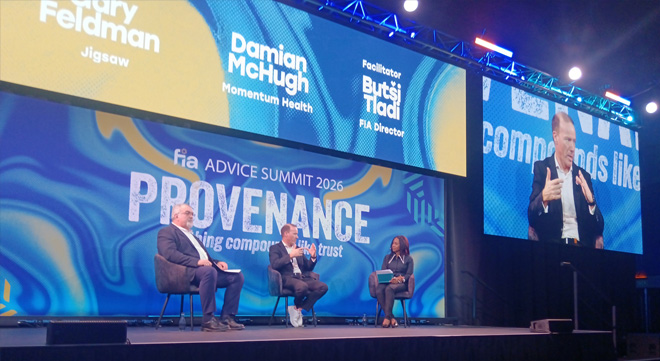
AI is reshaping healthcare and insurance, but outdated legislation, rising costs, and the need for trusted advice raise questions about how far technology can go.

Recurring headline earnings increased 5%, but lower performance fees and storm-related claims weighed on Asset Management and Insure, while return on equity declined.
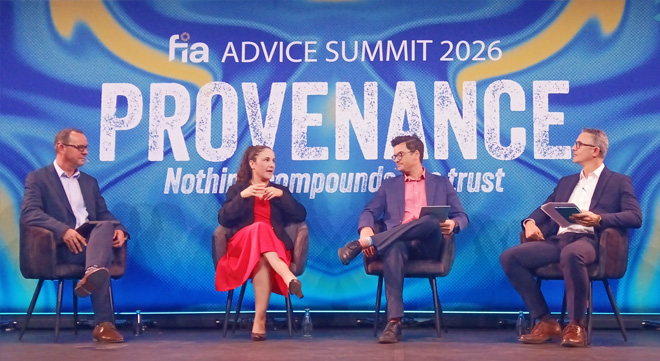
Panellists at the FIA Advice Summit said advisers must question AI-generated recommendations, apply their own judgement, and remain accountable for the advice they give.
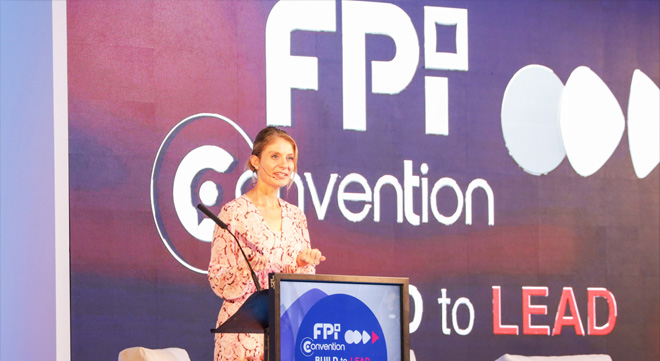
A three-part approach that helps planners understand clients’ wider relationships, adapt conversations to their readiness, and make implementation less daunting.

Moonstone covered the people and perspectives behind the conversations shaping financial advice. Watch our interviews with FIA leadership and industry representatives.

The FSCA’s Lezanne Botha explains why signed forms and completed disclosures are not enough, and what evidence can show that advice was suitable and customers were treated fairly.
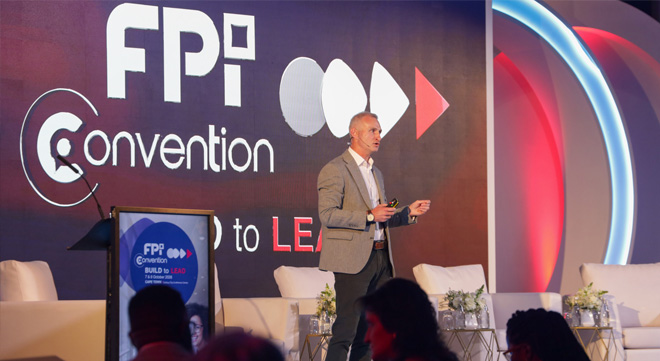
Mark Hedderman challenges advisers to test how well their firms could maintain client relationships, service standards, and decision-making if the founder were suddenly absent.

From AI and climate risk to healthcare costs and regulatory reform, the summit explored how advisers can adapt while preserving sound judgement, accountability, and meaningful client relationships.

Asset-allocation percentages provide a starting point, but assessing issuer concentrations and overlapping holdings requires more detailed evidence than a fund fact sheet can provide.

The FPSB’s second global study finds growing use in client service and research, alongside reported efficiency gains and concerns about privacy and reliability.
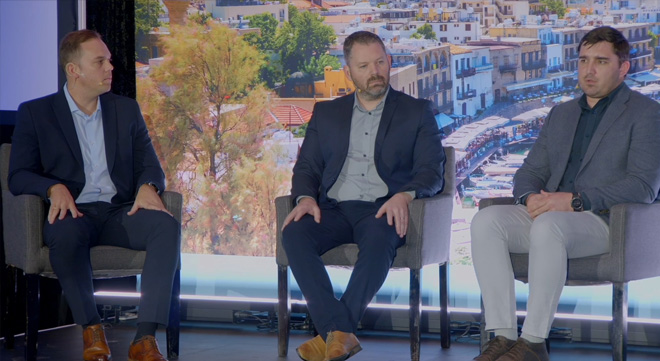
Who can advise on digital assets, where can clients move them, and what can SARS see? A practical look at the questions advisers need to understand.

Rianné Potgieter says greater regulatory discretion demands broader knowledge, ethical leadership, and accountability for the decisions planners make.

An FPI convention panel explored the implications of AI for client data, technical competence, record-keeping, and the adviser-client relationship.