



SFC could bring more global financial-services activity onshore
JSE Group chief executive Valdene Reddy says the SFC could build local expertise and a broader financial-services ecosystem around foreign portfolio management.

The proposed framework is voluntary guidance at this stage, with all regulated financial institutions in scope and a proportionate approach proposed for smaller firms.
JSE Group chief executive Valdene Reddy says the SFC could build local expertise and a broader financial-services ecosystem around foreign portfolio management.

Sanlam says buying out Santam’s minority shareholders would support earnings growth, improve capital allocation and help lift adjusted return on equity above 20% by 2030.

The case began with a public warning in 2024 over alleged unrealistic returns and claims that Du Plessis had misrepresented his links to Sanlam Private Wealth.

The FSCA found that about R129 000 deposited into the director’s personal bank accounts was used for personal purchases rather than invested as promised.


Integration is largely complete, but weak general insurance results and problems at its reinsurance arm are putting SanlamAllianz’s growth ambitions under pressure.

Stafford Masie challenges advisers to rethink their value as AI makes information, analysis, and technical expertise increasingly accessible.

Morné Stoltz’s appointment as head of Intermediary Distribution aims to strengthen Momentum Insure’s IFA channel.

The Tribunal found that repayment could not undo the misconduct of borrowing from a client and failing to disclose the arrangement.

The NFO upheld the claim rejection and policy cancellation after the policyholder admitted combining damage from two incidents and falsifying the date.

South Africa’s debt outlook is improving, according to the Medium-Term Budget Policy Statement. But what could higher borrowing costs globally mean for local households, businesses and the public purse?

The draft legislation would require governments to set and report against their own fiscal objectives, with Parliament and the Financial and Fiscal Commission given stronger oversight roles.

Section 13A complaints accounted for more than 61% of cases investigated and closed in 2025/26, while the OPFA’s carry-over of unresolved matters increased.

Section 31 of the Bill offers a window into a conduct framework built around relationships, outcomes, and ongoing institutional accountability.

The FIA chief executive will take over from Viviene Pearson in January, bringing nearly 30 years of insurance and financial services experience to the role.

Stronger tax collections give Treasury room for additional spending and temporary fuel relief, but fading commodity gains and high debt-service costs constrain the outlook.

The Board of Healthcare Funders wants a leaner PMB package, but the CMS points to provider prices, treatment costs, and other pressures on scheme expenditure.
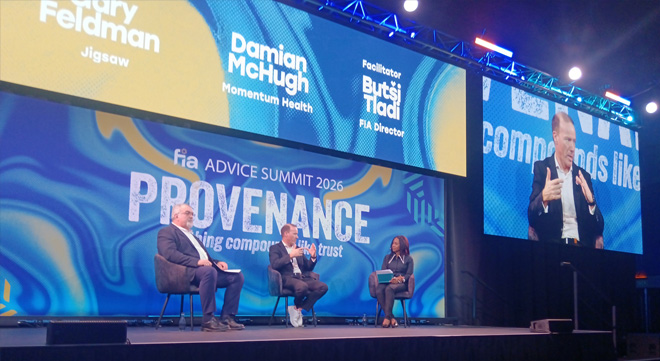
AI is reshaping healthcare and insurance, but outdated legislation, rising costs, and the need for trusted advice raise questions about how far technology can go.