



COFI: What must an advice file prove beyond compliance?
The FSCA’s Lezanne Botha explains why signed forms and completed disclosures are not enough, and what evidence can show that advice was suitable and customers were treated fairly.
The FSCA’s Lezanne Botha explains why signed forms and completed disclosures are not enough, and what evidence can show that advice was suitable and customers were treated fairly.

Alexforbes’ latest Member Insights analysis shows better retirement incomes, although contributions declined slightly and most members are still far from the 75% benchmark.
The FSCA plans to consult on its relicensing approach and publish it about six months before the relevant provisions take effect.

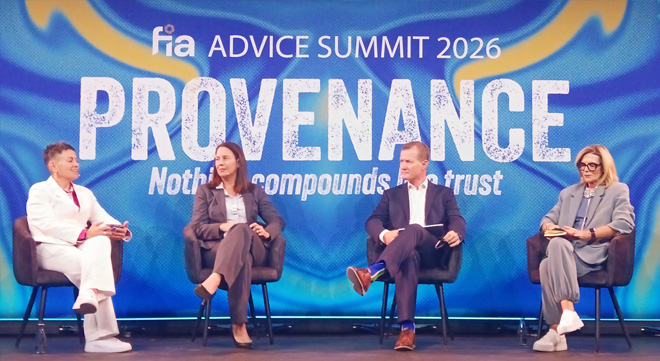
From AI and climate risk to healthcare costs and regulatory reform, the summit explored how advisers can adapt while preserving sound judgement, accountability, and meaningful client relationships.

The inquiry will consider whether trades executed during April and May 2026 contravened the Financial Markets Act.

Even after fully depleting the savings component each year, a hypothetical member fares better in Alexforbes’ model than under its previous-system scenario.

Accountable institutions are given detailed instructions for submitting branches and subsidiaries, linking existing registrations, and managing location information on goAML.

Financial institutions, insurers, and other direct marketers have until 6 November to comment on proposed guidelines setting out their compliance obligations.

The proposal targets trucks, buses, and vehicles carrying dangerous goods, where crashes can cause substantial damage to infrastructure and the environment.

The regulator’s notices cover a purported refund operation, the misuse of legitimate FSPs’ details, and unauthorised forex, crypto-asset, and copy-trading offers.

The FPSB’s second global study finds growing use in client service and research, alongside reported efficiency gains and concerns about privacy and reliability.

Who can advise on digital assets, where can clients move them, and what can SARS see? A practical look at the questions advisers need to understand.

Following its 2023 judgment, the Court has removed the separate exclusion that prevented pension interest from being considered in qualifying post-1984 marriages.

The CMS’s 2025/26 annual report also highlights progress on a costed primary healthcare benefits package and research into linking administrator fees to outcomes.

The Institute for International Tax and Finance says Clara can indicate when SARS approval may be required and which supporting documents users may need.

The process differs depending on whether possession is authorised by a court or the consumer agrees to surrender the vehicle voluntarily.

The insurer says its new positioning reflects the need to help customers navigate interconnected risks and make more confident decisions in a changing world.