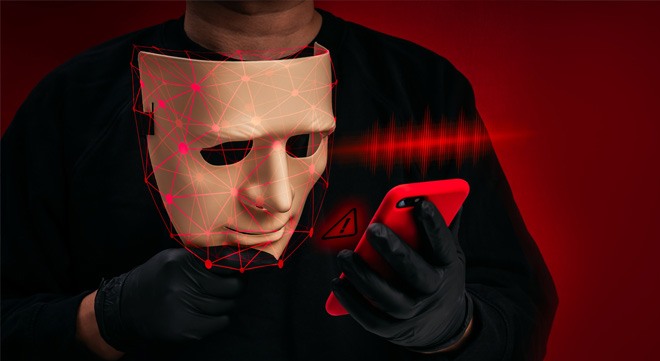

As Black Friday approaches, the National Financial Ombud Scheme (NFO) is warning consumers about scams that may use facial recognition or selfie verification to gain access to digital banking profiles.
The NFO says fraudsters may approach people in shopping centres or other public places, posing as representatives of legitimate businesses. They may offer a loyalty programme, shopping voucher, free airtime, or another reward, then ask the consumer to provide personal information and scan their face.
The consumer may believe the scan is part of the promotion. But the NFO warns that it could be used to authenticate a request to register or link a device to the consumer’s digital banking profile. If the request is approved, the fraudster could gain access to the profile from a device they control.
Fraud complaints rise
Formal fraud matters closed by the NFO increased by about 27.5% between January and September, from 2 389 in 2025 to 3 045 in 2026.
Nerosha Maseti, Lead Ombud of the NFO’s Banking and Credit Division, says consumers should treat biometric information with the same caution as passwords and other security details.
“We take selfies every day, so being asked to scan your face may feel harmless. But your face can also be used as an authentication tool,” Maseti said.
She urged consumers to stop and establish exactly what they are being asked to do, particularly if the request involves a device that does not belong to them.
The NFO also warns consumers never to hand an unlocked cellphone to a stranger or approve a banking notification or authentication request they do not understand. If they did not initiate the request, they should not approve it.
Black Friday pressure can help fraudsters
Maseti said Black Friday can create opportunities for fraud because shoppers are looking for bargains and receiving more promotional emails, SMSs and social media advertisements.
Limited-time offers, countdowns and promises of heavily discounted goods can pressure consumers into acting before checking whether an offer is genuine.
“Fraudsters want consumers to act quickly and emotionally. Black Friday naturally creates that sense of urgency, which can make a fraudulent offer seem more believable,” she said.
Consumers should verify offers independently before clicking links, making payments, sharing information, or approving requests on their phones.
The NFO also cautioned shoppers to watch for more familiar scams dressed up as Black Friday promotions:
- Fake websites and online stores: Fraudsters may create sites or advertisements that imitate legitimate retailers or promote popular products at unusually low prices. Consumers should find the retailer’s official website independently rather than relying on unsolicited links.
- Phishing and smishing: Emails or SMSs may claim there is a problem with an account, purchase, payment or delivery and urge the recipient to click a link. The link may lead to a fraudulent site designed to collect banking credentials or personal information.
- Bank or credit-provider impersonation: A caller may claim that a suspicious transaction must be stopped or reversed, then ask for an OTP, password or PIN—or tell the consumer to move money to another account. Consumers should end suspicious calls and contact their financial institution using its official details.
- Social media bargains: Promotions for discounted goods, flights or accommodation may be used to lure consumers into sharing information or making payments. Verify the business and offer independently before proceeding.
Protect more than your password
The NFO says consumers should remember that a digital banking profile may be protected by several forms of information and authentication. Personal details, passwords, PINs, OTPs, banking approvals, mobile devices and biometric information can all be valuable to criminals.
Anyone who suspects their banking information has been compromised should contact their bank immediately through its official fraud-reporting channels. They should keep relevant evidence, such as messages, emails, screenshots and transaction details.
Consumers who have complained to their bank and remain dissatisfied with its response can approach the NFO for assistance.
“Whether it is an unbelievable bargain, a phone call supposedly from your bank, or someone asking you to scan your face to receive a reward, pause and verify,” Maseti said. “Protect your money, protect your phone and, increasingly, protect your face.”