A cellphone insurance claim can depend on much more than whether the device was stolen or damaged. The type of cover, the device recorded on the policy schedule, SIM-card requirements, single-item limits, and the circumstances of a theft can all affect whether a claim is accepted and how it is settled.
Complaints considered by the National Financial Ombud Scheme (NFO) illustrate why consumers should check the wording and schedule of their cellphone cover rather than assume that all policies provide the same protection.
Cellphone cover can be provided through a standalone device policy or as part of a household insurance policy. Depending on the policy, the phone may be covered under the household contents section or an all-risks or portable-possessions section.
Edite Teixeira-McKinon, Lead Ombud of the NFO’s Non-life Insurance Division, says insurance policies generally require cellphones to be covered separately under a specific section, with a specific premium charged for the device. However, some policies provide cover under the household contents section, subject to the policy’s terms and limits.
Does the SIM card matter?
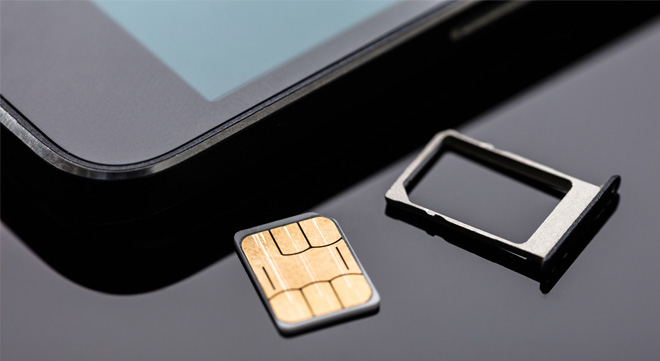
Most standalone cellphone policies require the insured device to be used with a specified SIM card.
Teixeira-McKinon says that where an insurer seeks to reject a claim on the basis that the device was not being used with the specified SIM card, the insurer must demonstrate that the policyholder was advised of the requirement before the policy began and that the device was not being used with the specified SIM card.
She says the purpose of such conditions is to assist insurers in preventing fraud.
Teixeira-McKinon says most insurance policies do not expressly state that the phone must be RICA-registered but imply this requirement indirectly.
In the event of a theft, the insurer will require the policyholder to block the phone with the network, she says. To block a SIM, the network will ask for RICA details.
If the SIM is not registered to the policyholder, the network may not block it, and the insurer may argue that the policyholder did not take reasonable steps to prevent fraud.
The NFO dealt with a complaint concerning a tablet that was snatched from a toddler through an open car window. The insurer rejected the claim because the SIM card had not been blacklisted after the robbery.
The complainant said he had not been told when the policy was taken out that the SIM card had to be registered in accordance with RICA. He also said there was no SIM card in the tablet because the child used it only through Wi-Fi.
Teixeira-McKinon said the SIM could not be blacklisted because it had not been RICA-registered. The insurer acknowledged that the SIM could not be blacklisted in the circumstances and agreed to abide by the NFO’s recommendation to settle the claim.
The case illustrates why consumers should establish whether their policy contains requirements relating to a specified SIM and what the insurer requires them to do after a theft.
Is the correct device on the policy?
Consumers who replace or upgrade a cellphone should check whether the change needs to be recorded on their policy.
In another complaint considered by the NFO, a policyholder claimed after her Huawei smartphone was stolen. The insurer rejected the claim because the device was not covered.
The policyholder had replaced the Samsung phone originally insured under the policy but had not asked the insurer to amend the policy accordingly.
The insurer pointed out that the stolen device had not been shown to fall within the cover provided by the policy.
Teixeira-McKinon says insurance policies generally require cellphones to be covered separately under a specific section, with a specific premium charged for the device. However, some policies provide cover under the household contents section.
She says cover under the household contents section may be limited depending on the policy’s terms and conditions, and the device may have to be stolen from the home for that cover to apply.
Insurance policies usually have a single-item limit for indemnification, Teixeira-McKinon says. If a device is worth more than the applicable limit, the policyholder will only be indemnified up to the limit stated in the policy.
Consumers who want cover for a phone taken outside the home may encounter sections described as “portable possessions” or “all risks”. Teixeira-McKinon says these terms are used interchangeably to refer to cover against loss or damage to items anywhere in the world.
However, some insurers do not cover devices under “all risks” and may instead require separate device insurance.
Whatever terminology an insurer uses, Teixeira-McKinon recommends checking:
- whether the device is listed on the policy schedule;
- the single-item limit amount or value; and
- the applicable excess.
Where an insurer requires a device to be specified, Teixeira-McKinon says it will then enjoy cover under the specified all-risks section of the policy.
What if the phone is stolen from a vehicle?
The circumstances in which a phone is stolen can also affect a claim.
Teixeira-McKinon says the exclusion relating to theft without force is mainly applicable when a device is stolen from a motor vehicle.
The NFO considered a complaint from a policyholder who said he had left his cellphone in the cubbyhole of his vehicle while running errands. When he returned, the phone was missing.
The policy required that, for loss or damage resulting from theft from an unattended vehicle to be covered, the vehicle had to be locked, the device had to be concealed in the cubbyhole or boot, and the loss had to be accompanied by forcible and violent entry into the vehicle.
The complainant maintained that he had locked the vehicle. However, there was no evidence of forcible and violent entry into the vehicle, and the insurer’s rejection of the claim was upheld.
The case illustrates the importance of checking the specific conditions applying to theft from an unattended vehicle.
What happens when the model has been discontinued?
Cellphones can lose value quickly and may be discontinued or no longer available on the market by the time a claim is made.
Teixeira-McKinon says a “redundant” device is one that is no longer on the market or has been discontinued. If such a device is lost, the insurer may replace it with a device with similar features, subject to the policy terms and the insured value.
She says consumers should distinguish between the insured value reflected on the policy schedule and the value relevant to replacing the device. These values are not always the same.
The amount the insurer will pay will depend on the applicable policy terms, she says. Consumers are urged to ensure that the insured value is in line with the replacement value of the device to avoid disappointment when a claim is submitted.
Five details to check
The NFO’s advice points to five areas consumers should check before relying on cellphone cover:
- Is the correct device recorded on the policy schedule? A replacement or upgrade may need to be disclosed to the insurer.
- Does the policy contain a specified-SIM condition? Establish which SIM must be used and what the policy requires following a theft.
- Where does the cover apply? Check whether the cellphone is covered under the household contents section, a portable-possessions or all-risks section, or separate device insurance, and what conditions apply.
- What limits and excesses apply? Check the single-item limit and the excess payable when a claim is made.
- How does the policy deal with replacement? Check how the policy deals with discontinued devices, comparable replacements, the insured value, and the basis on which a claim will be settled.
The NFO’s cases show how the outcome of a cellphone claim can depend on the particular policy wording and the circumstances of the loss. Consumers should read their policy wording and schedule and clarify any uncertain provisions with their insurer or intermediary.