
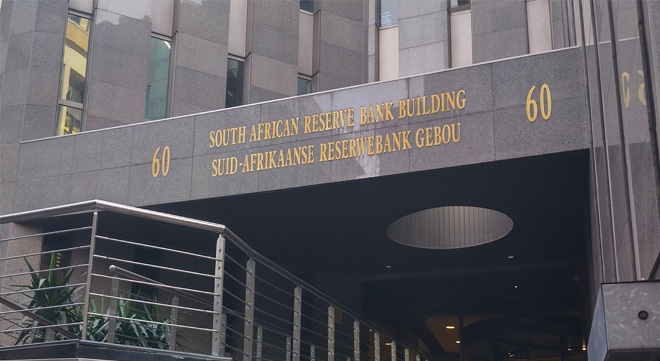
The South African Reserve Bank has imposed R600 000 in administrative sanctions on Southeast Exchange Company South Africa (Pty) Ltd after identifying shortcomings in the foreign exchange dealer’s anti-money laundering (AML) and compliance framework.
Administrative sanctions are imposed when regulators identify failures to comply with the the Financial Intelligence Centre Act’s AML and counter-terrorist financing (CFT) requirements and may include financial penalties and directives requiring institutions to address identified shortcomings.
Southeast Exchange is an authorised dealer in foreign exchange with limited authority (ADLA), a category that includes bureaux de change authorised by the SARB to conduct certain limited, designated foreign exchange transactions, including travel-related transactions. Under FICA, the SARB is responsible for supervising ADLAs to ensure they comply with South Africa’s AML and CTF requirements.
The sanctions follow an inspection conducted in terms of FICA, which requires the SARB to assess whether ADLAs have adequate measures in place to combat money laundering and the financing of terrorism.
According to the SARB, the inspection identified weaknesses in Southeast Exchange’s control measures that inhibited its ability to conduct ongoing customer due diligence in accordance with its Risk Management and Compliance Programme (RMCP) and to adhere to the risk-based methodology set out in that programme.
The Reserve Bank also found that the company had failed to appoint an anti-money laundering compliance officer and had not provided the required AML training to its staff.
The administrative sanctions comprise:
- R100 000 for failing to comply with section 21 of FICA;
- R100 000 for failing to comply with section 21C;
- R200 000 for failing to comply with section 42;
- R100 000 for failing to comply with section 42A(2)(b); and
- R100 000 for failing to comply with section 43.
The combined financial penalty amounts to R600 000.
The SARB said Southeast Exchange has also been directed to remedy the identified compliance deficiencies. It emphasised that the sanctions relate to weaknesses in the company’s compliance framework and should not be interpreted as evidence that it facilitated money laundering or the financing of terrorism.
The enforcement action comes as regulators continue to strengthen supervision of accountable institutions under FICA as part of South Africa’s efforts to bolster its AML and CTF framework following the country’s grey listing by the Financial Action Task Force in 2023.
The latest sanction follows similar enforcement action against Access Forex, when the SARB imposed administrative sanctions after identifying deficiencies in the company’s RMCP, customer due diligence processes, and staff training. More recently, the Prudential Authority imposed administrative sanctions on HBZ Bank after identifying shortcomings in its customer due diligence, record-keeping, and risk management controls.
Like the action against Southeast Exchange, those cases arose from failures to comply with FICA’s preventive control requirements rather than findings that the institutions had facilitated money laundering or the financing of terrorism.

