
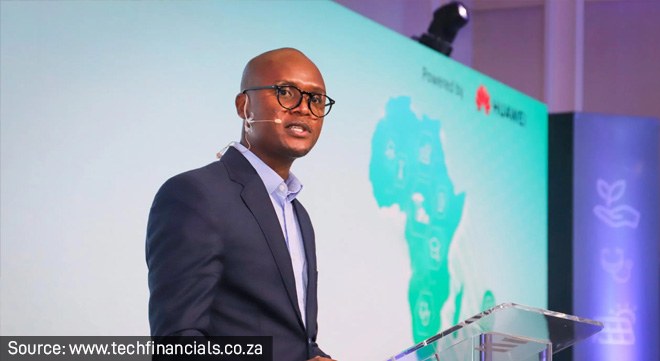

Communications and Digital Technologies Minister Solly Malatsi (pictured) has withdrawn South Africa’s Draft National Artificial Intelligence Policy after internal checks found that the document’s reference list included “various fictitious sources”.
In a statement issued on 26 April, Malatsi said the problem was “not a mere technical issue”, because it had “compromised the integrity and credibility of the draft policy”, and he was therefore withdrawing the draft in full.
“South Africans deserve better,” Malatsi said, adding that the Department of Communications and Digital Technologies had “failed to deliver on the standard that is acceptable for an institution entrusted with the role to lead South Africa’s digital policy environment”.
Malatsi said the “most plausible explanation” was that AI-generated citations had been included without proper verification but framed this as a likely cause rather than a definitive finding.
He said there would be “consequence management for those responsible for drafting and quality assurance”, and the department would “treat this matter with the gravity it deserves”. Malatsi also said the episode showed why “vigilant human oversight over the use of artificial intelligence is critical”.
The draft policy was published in the Government Gazette on 10 April for public comment.
Read: Cabinet clears draft AI policy for public comment
In its explanatory note, the gazetted document described the draft as a “work in progress” and a “point of departure” intended to guide subsequent development of guidelines, sectoral approaches, and regulatory requirements, and it outlined a staged implementation approach.
Concerns about the draft’s reference list emerged about two weeks after publication.
MyBroadband reported that an organisation called Article One wrote to Malatsi on 24 April raising problems with the draft. The following day, News24 reported that the draft contained fictitious references, and cited experts who suggested the entries were likely AI-generated “hallucinations”. It said the 86-page document had 67 references, and at least six sources were identified as fictitious.
News24 reported that some of the citations were attributed to recognised academic journals, including the South African Journal of Philosophy, AI & Society, and the Journal of Ethics and Social Philosophy, and the editors of these journals had confirmed the cited articles had not been published.
Following the reporting, TechCentral said political stakeholders called for the draft to be withdrawn pending a full review, and cited ANC MP Khusela Diko, chairperson of Parliament’s portfolio committee on communications and digital technologies, as among those urging withdrawal.
Before the withdrawal announcement, Malatsi said he had instructed the department’s director-general to investigate and to act against any wrongdoing.
Malatsi’s 26 April statement did not indicate when a revised draft would be re-issued or whether the public consultation process would be restarted following the withdrawal.
What is clear is that the immediate focus has shifted from AI governance to governance of the policy process itself. A draft intended to frame South Africa’s approach to AI has instead highlighted the operational risks associated with the use of AI tools in research and drafting – particularly where verification and quality assurance processes are inadequate.


I’ve been around on the investing field to understand how AI works. My wallets have been blocked by united Kingdom company, while withdrawal cannot be finalized instead should pay $100 called admin fee then account will automatically unblock. Do I have to trust the system? Could the draft be the one impacting differently?