



SA plans framework to attract global investment-management business
The proposed SFC could create opportunities in international business for qualifying FSPs with the licences, systems, and controls required to participate.
The proposed SFC could create opportunities in international business for qualifying FSPs with the licences, systems, and controls required to participate.

The finance committee can remove the Bill’s proposed amendments to the invalidated Public Procurement Act and proceed with the benchmark provisions.
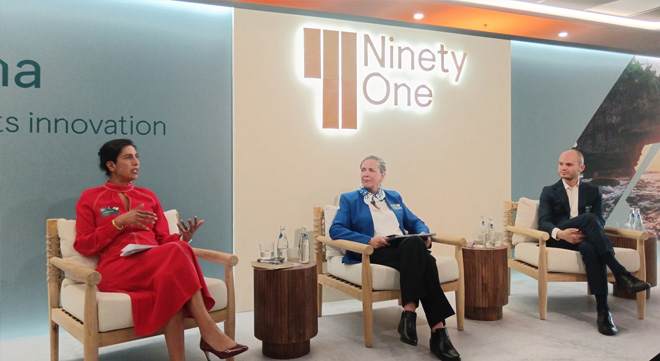
Expanding access to private assets could broaden investment and funding options, but South Africa must grapple with valuation, liquidity, data, and regulatory challenges.

The invalidation of the Public Procurement Act has left lawmakers weighing whether removing part of the amendment Bill would require further public participation.
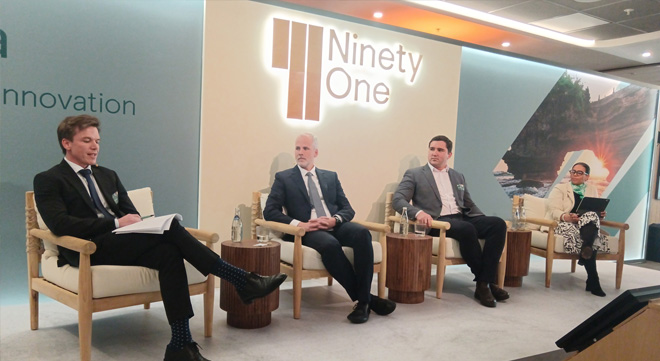
The emergence of tokenised assets raises the question whether SA can develop trusted local infrastructure rather than rely on systems built elsewhere.
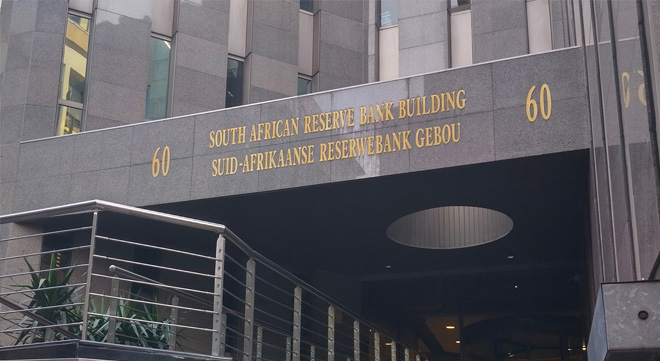
A Bill before Parliament would give the SARB a statutory mechanism to address legacy contracts that still reference JIBAR when the benchmark ceases at the end of 2026.
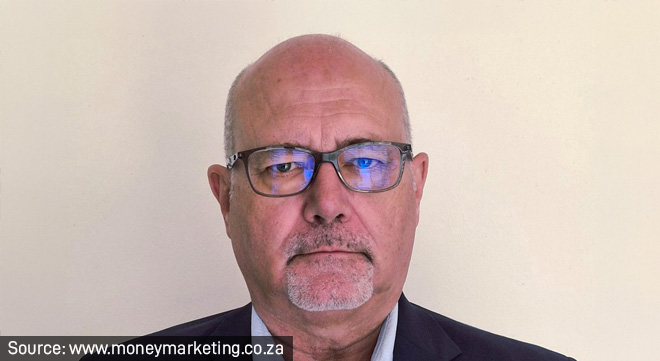
Improving domestic fundamentals, a potentially weaker US dollar, and lower inflation could mean the rand depreciates more slowly than investors have come to expect.

The FSP has paused its crypto-arbitrage service after the High Court upheld the SARB’s order, finding reasonable grounds to suspect exchange control contraventions.

Early industry reaction focuses the implications for stablecoin payments and self-custody wallets, and the compliance burden.
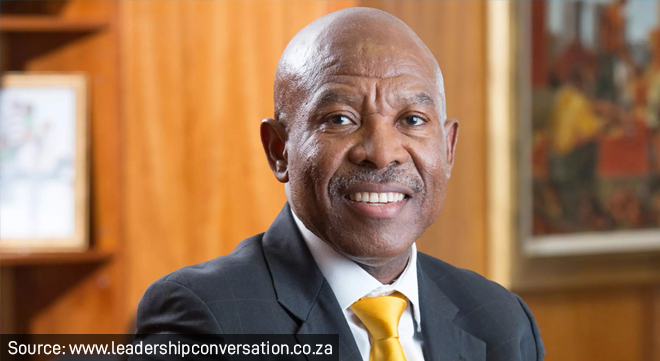
The SARB’s governor argues the country knows how to revive the economy; the real test is whether it has the resolve to implement the necessary reforms.

After an unpredictable first half, Morningstar outlines the risks, opportunities, and investment themes it believes will shape markets for the rest of 2026.
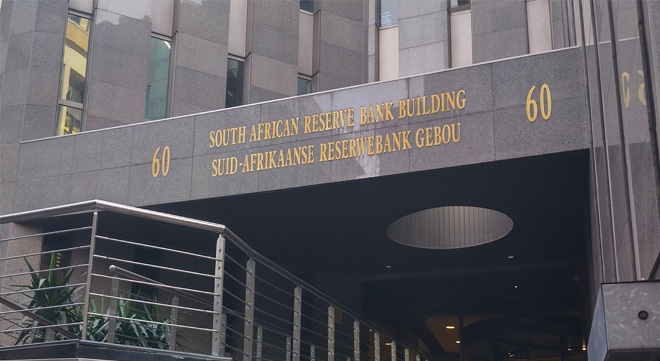
An inspection by the South African Reserve Bank uncovered shortcomings in a foreign exchange dealer’s anti-money laundering compliance framework.

The Authority’s three-year roadmap also outlines upcoming reforms affecting financial markets, retirement funds, payment services, and cross-sector regulation.
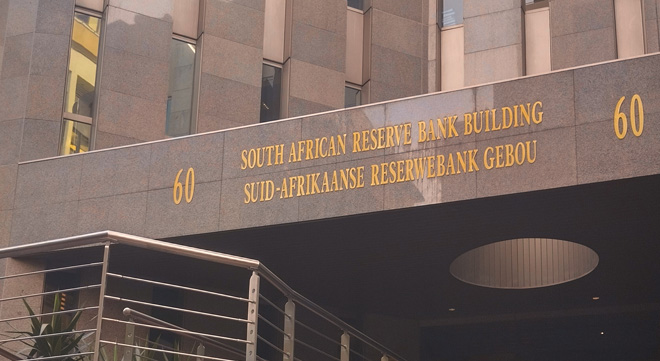
The Reserve Bank orders the forfeiture of Chris Grové’s cash, property, and vehicles following a long-running exchange-control dispute.

As the National Treasury-backed repayment programme for Ithala depositors nears completion, KZN Treasury says the Prudential Authority will review the repayment administrator’s role.

The SARB is proposing new rules to address situations where local services are paid for through offshore payment networks.

A Debt Rescue survey suggests many households have little capacity left to absorb higher borrowing costs, adding to concerns about rising food, fuel, and electricity expenses.