Being in a motor vehicle accident is stressful, even when no one is hurt. In the minutes and hours that follow, it’s natural to feel shaken and unsure of what to do next. But a few calm practical steps at the scene and reporting the accident correctly to the police and your insurer can prevent unnecessary delays in processing a claim.
Discovery Insure provides the following guidance on the information you should collect at the scene of the accident, reporting the accident to the police, and how to facilitate the claims process.
What to do immediately after an accident
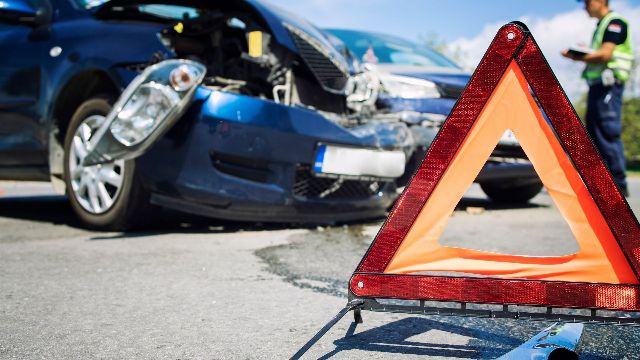
Your priority is safety. Switch off your engine and turn on your hazard lights. Check for injuries. If you or anyone else is hurt, call emergency services and the police immediately. Make sure you and your passengers are out of harm’s way from passing traffic.
If the vehicles pose a serious traffic hazard and can still be driven, and it is safe to do so, move them to the side of the road. Otherwise, leave them where they are until the police and help arrive.
If you’re unsure of who to call or what to do next, most insurers have an emergency line that can guide you while you are still at the scene.
What information to collect
Gathering accurate details at the scene will make the insurance claims process easier. Exchange details with the other driver or drivers, including full names, contact numbers, identity numbers, driving licence details, and insurance information, if they are insured.
Supplying photos of the scene is not mandatory, but it can help your insurer to process your request faster. If possible, take clear photos of:
- The complete scene, including wide and close-up shots.
- Damage to all vehicles involved.
- Skid marks or debris on the road.
- Traffic lights, road signs, or visible road defects (such as potholes), if they are relevant.
- Vehicle number plates and licence discs.
- The exact location of the accident, including street names.
If available, save and back up any dashcam footage. If there are witnesses, take down their names and contact details.
If your vehicle needs to be towed, arrange this with your insurer to ensure that the towing provider is authorised. Take pictures of your vehicle before it is towed, as well as the tow truck and its number plate and note the tow driver’s name and company. This will protect you in case damage is found later.
Reporting the accident
All accidents – including single-vehicle accidents – involving vehicle or property damage, injury, or death must be reported in person to the South African Police Service within 24 hours. At the station, you will complete an accident report and receive a case number.
A reasonable grace period will be applied if you can prove that you were injured or hospitalised and were unable to go to the police station within 24 hours.
How to ensure a smooth insurance claims process
Whether or not you were at fault, and regardless of the extent of the damage, you or your broker must report the accident to your insurer as soon as possible. Most insurers will give you up to 30 days to submit a claim.
You will need:
- Your plan details.
- Police case number.
- Details of the accident and all parties involved.
- Supporting pictures or witness statements, if available.
Repairs must not be carried out on the vehicle until your insurer has inspected it and assessed the extent of the damage.
It is important to be aware that certain conditions and exclusions apply to your plan. For example, your claim may not be covered if the driver was under the influence of alcohol or drugs at the time of the incident, or if the vehicle was in an unroadworthy condition.
Third-party claims
If another driver caused the accident, you can claim for repair costs from their insurer. Typically, your insurer will repair your vehicle and then recover the costs, including your excess where applicable, from the third party’s insurance.
To make a third-party claim, you will need a police case number. Your insurer may also provide a No Claims Letter to confirm that you are not claiming under your own plan.
If the other party is uninsured, claims of up to R20 000 can be made through the Small Claims Court. Larger claims will require the Magistrate’s Court or the High Court.
If you’re found to be at fault for the accident, your insurer will take care of the process for you. It will assess the damage to the third party’s vehicle, share the report with them, and suggest a repairer. Once the third party is happy to proceed, your insurer will handle the payment, and the third party can take their car to the repairer to get the work started.
Claiming for pothole-related damage
If you hit a pothole, you do not need to report the incident to the police.
When notifying your insurer, you will need to provide the date, time, and location of the incident. Depending on your cover, your insurer may cover damage to tyres, rims, and suspension components. Some plans exclude damage to tyres alone, so it is essential to understand your plan’s terms and conditions.