



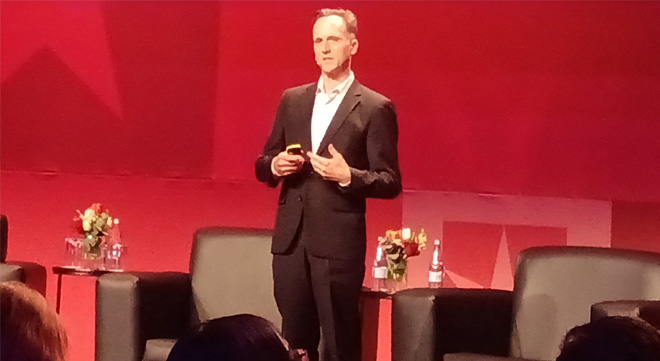
What do clients really want from a financial adviser?
Morningstar research finds that clients are looking for more than help with specific financial problems – and advisers may need to rethink how they explain their value.
Morningstar research finds that clients are looking for more than help with specific financial problems – and advisers may need to rethink how they explain their value.

Improving domestic fundamentals, a potentially weaker US dollar, and lower inflation could mean the rand depreciates more slowly than investors have come to expect.
Rising bond yields and widening credit spreads suggest mounting risk, but equity valuations have yet to reflect it, raising the prospect of sharper market drawdowns.

From the rand and commodities to electricity and logistics, several pieces of the South African investment story are moving in the right direction.

The biggest technology momentum unwind in 27 years is coinciding with a shift on where value will be created across the AI ecosystem.
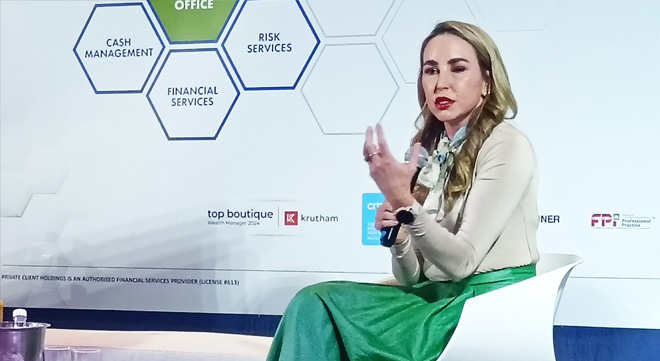
Fairtree Capital’s Chantelle Baptiste argues that investors who focus only on today’s headlines risk missing the bigger forces shaping tomorrow’s opportunities.

Alexforbes’ Stewardship Report argues that governance, water security, and other ESG factors are increasingly being evaluated for their effect on company value and long-term returns.
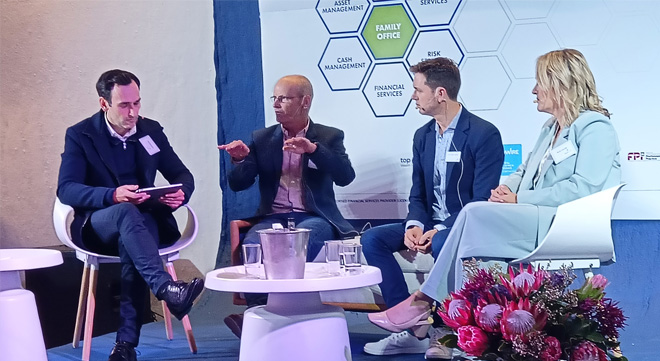
From managing uncertainty to resisting emotional decisions, lessons from elite sport offer practical insights for investors and their advisers.

After an unpredictable first half, Morningstar outlines the risks, opportunities, and investment themes it believes will shape markets for the rest of 2026.
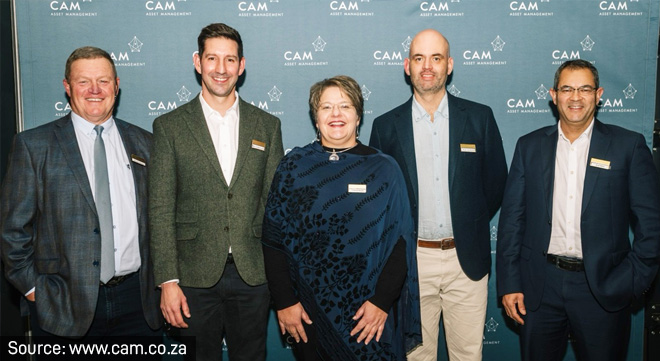
IFAs can delegate functions including asset allocation, manager research, and portfolio construction while retaining responsibility for advice and client relationships.
US equities may reflect current economic conditions, but weaker-than-expected earnings growth and worsening geopolitical tensions could quickly upset the balance.
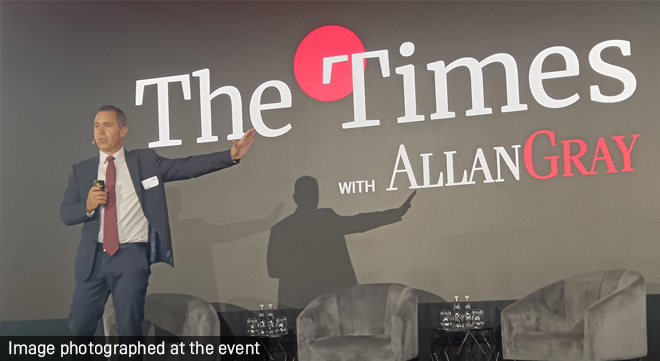
From AI and gold to the future of the US dollar, Allan Gray and Orbis argue that investors don’t need to predict the future to build resilient portfolios.
Despite headwinds from weaker Asian demand, rising yields, and risk-on sentiment, shifting market dynamics suggest gold is regaining value.

The tie-up will begin with global equity and emerging market ETFs and is designed to widen access to active strategies across international markets.

Global shocks may be getting harder to forecast, and the real task is constructing portfolios that can withstand a wider range of outcomes.
Fuel-price shocks, sticky services inflation, and global pressures are making it harder for the SARB to keep inflation anchored near its new goal, says Sanlam.

Stonehage Fleming argues that in an uncertain environment, limiting losses and managing concentration risk may matter more than capturing every phase of market upside.


