



AI use surges among financial planners, but governance remains uneven
The FPSB’s second global study finds growing use in client service and research, alongside reported efficiency gains and concerns about privacy and reliability.
The FPSB’s second global study finds growing use in client service and research, alongside reported efficiency gains and concerns about privacy and reliability.

An FPI convention panel explored the implications of AI for client data, technical competence, record-keeping, and the adviser-client relationship.
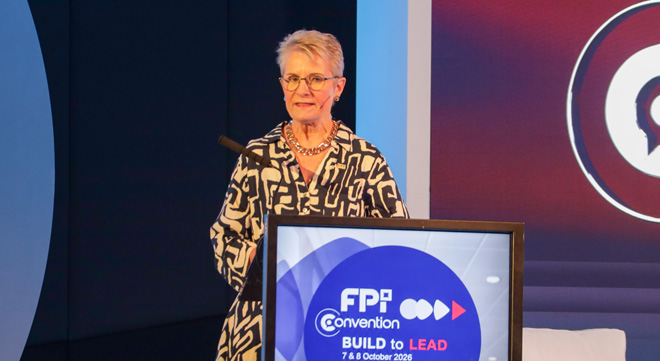
Kirsty Scully says five global trends and four possible AI scenarios show why advisers must adapt without sacrificing the human guidance clients value.

FSCA deputy commissioner Farzana Badat offers a glimpse into the regulator’s thinking on accountability, privacy, and human oversight.

The former finance minister says South Africa’s challenge is not a shortage of regulation, but ensuring institutions have the people, skills, and capacity to implement it effectively.
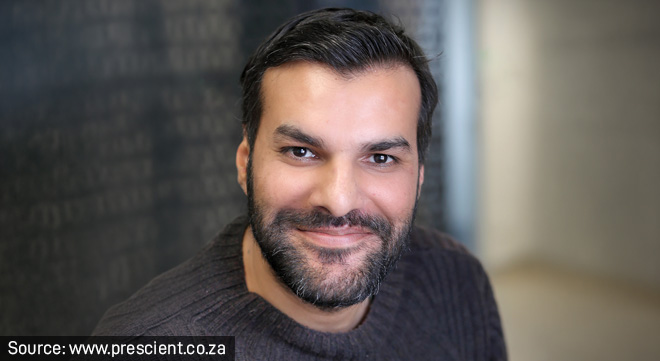
Understanding tokens helps explain not only the rising cost of using AI, but also the assumptions behind the enormous investment in AI infrastructure.

Financial pressure is prompting South Africans to scrutinise value more closely, while AI is giving them new ways to research and compare businesses before they engage.

The emergence of AI systems capable of planning and acting autonomously presents a governance challenge that cannot be addressed simply by treating them as more advanced technological tools.

iTOO is building an AI insurance book cautiously, using performance data, international experience, and reinsurance to price a risk that is still evolving.

Rising bond yields and widening credit spreads suggest mounting risk, but equity valuations have yet to reflect it, raising the prospect of sharper market drawdowns.

From the rand and commodities to electricity and logistics, several pieces of the South African investment story are moving in the right direction.

The biggest technology momentum unwind in 27 years is coinciding with a shift on where value will be created across the AI ecosystem.

Fewer respondents are using advisers as AI tools gain traction, and many remain unsure where to turn for financial guidance.
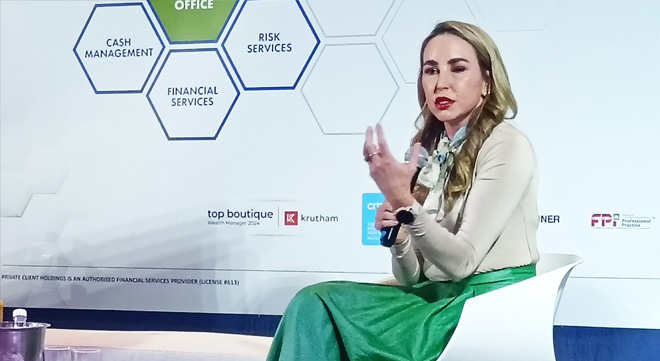
Fairtree Capital’s Chantelle Baptiste argues that investors who focus only on today’s headlines risk missing the bigger forces shaping tomorrow’s opportunities.

The expansion includes two amalgamated global equity feeder funds and a new rand-denominated feeder into a Troy-managed global flexible strategy.

New FPSB guidance says professional scrutiny should extend beyond factual accuracy to omissions, bias, assumptions, and the alternatives considered by AI models.

The Authority’s three-year roadmap also outlines upcoming reforms affecting financial markets, retirement funds, payment services, and cross-sector regulation.