
Insurtech Naked Insurance has launched what it believes is the world’s first native ChatGPT app capable of generating a final, binding car insurance quote.
But beyond the novelty of buying insurance through an AI assistant, the launch offers an early indication of how insurers believe artificial intelligence could reshape distribution, policy administration, and customer interaction in the years ahead.
The move reflects growing expectations across financial services that AI assistants will increasingly act as intermediaries between consumers and product providers – helping users to compare products, manage policies, organise information, and potentially automate administrative tasks.
Rather than navigating multiple websites, repeatedly entering personal information, or manually comparing policy documents, consumers may eventually rely on AI assistants that understand their preferences, monitor renewals, and automatically source alternative quotes.
Naked said its new ChatGPT integration was developed with that longer-term shift in mind.
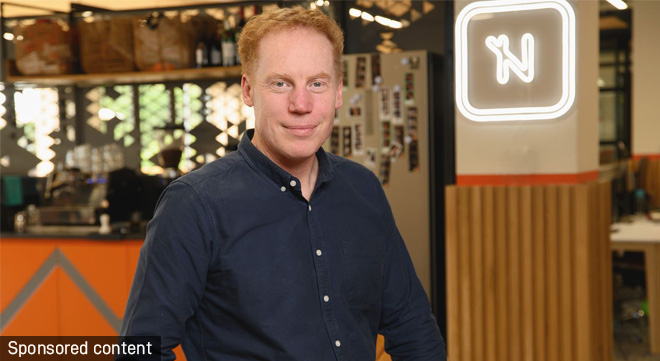
“Our app and website are still the best way to use Naked today,” said Alex Thomson (pictured), the co-founder of Naked Insurance.
“But we believe AI assistants will, in time, become one of the primary ways people interact with financial products, and we want to be ready for that next industry shift.”
Unlike many AI-powered demonstrations that generate indicative estimates, Naked’s ChatGPT app connects directly to the same live underwriting and rating engine used on the company’s website and mobile app. According to the company, this means the premium generated within ChatGPT is a final binding quote rather than a preliminary estimate requiring a separate application process.
The company said the ChatGPT app is not intended to replace its existing digital channels. Naked’s website and mobile app remain the primary platforms for obtaining quotes, buying cover, updating policies, and submitting claims.
Instead, the insurer described the launch as an exploratory step into what it sees as a future AI-driven interface layer sitting alongside existing digital insurance infrastructure.
“We are not waiting for AI interfaces to go mainstream,” Thomson said. “We are making sure our technology is ready when our customers are.”
The current version of the app focuses on car insurance and supports both comprehensive cover and third-party-only cover.
Users can answer underwriting questions conversationally in natural language rather than through traditional form-based inputs. The interface also allows users to adjust certain policy variables – such as excess levels – and immediately view the impact on pricing.
The broader significance for the insurance industry may lie less in the app itself and more in what it suggests about future distribution models.
If AI assistants eventually become trusted intermediaries for consumers, insurers may increasingly compete not only through brand and pricing, but also through how effectively their systems integrate with external AI ecosystems.
That could have implications for customer acquisition, comparison shopping, underwriting workflows, and even policy retention, particularly if AI assistants begin helping customers to evaluate alternative products at renewal stage.
Naked suggested that future AI assistants could potentially monitor policy renewals, obtain competing quotes, explain policy differences in plain language, and assist customers with switching providers where appropriate.


It is great to see AI starting to receive proper attention in the South African insurance market. However, I would be cautious to describe this as entirely new.
At OneSure Direct Brokers, we launched InsureBot more than two years ago and had already integrated OpenAI technology into our insurance environment at that stage. InsureBot was built and trained specifically around the South African short-term insurance market, with the ability to guide clients across multiple insurer products, explain cover, assist with comparisons, and support better insurance decision-making.
The important point is that AI in insurance is not only about answering questions. It must be trained responsibly, aligned with FAIS and compliance requirements, and used to support – not replace – proper advice, disclosure, and intermediary accountability.
Naked’s development is definitely positive for the industry, but OneSure and InsureBot were already moving in this direction well before this announcement.
Thank you for your attention to this matter.
Tim.