The Professional Provident Society (PPS) allocated a record R6.88 billion to members’ Profit-Share Accounts for the 2025 financial year, up by 29% from R5.33bn in 2024.
The allocation was supported by R5.56bn in investment returns and R1.32bn in operating profit, indicating the relative contribution of market performance to the overall outcome, according to the integrated report for the year to the end of December 2025.
Annual gross benefits paid amounted to R6.67bn, compared with R5.73bn in 2024 (about 16.4% higher).
The result was achieved in a year that also saw higher claims and pressure on underwriting profit, reflecting the interaction between investment returns and insurance experience in determining member value.
PPS is a member-owned financial services group serving graduate professionals. The group reported that it has more than 130 000 members with life-risk products in South Africa, alongside additional membership across its healthcare, short-term, and international businesses.
Under its mutual structure, profits generated across the group are returned to members rather than distributed to shareholders. This is implemented through the PPS Profit-Share Account, a notional account to which annual allocations are made for members holding qualifying life-risk products. These allocations are derived from operating performance and investment returns and are invested on behalf of members, typically vesting at retirement or on death.
Cumulative profit-share allocations reached R35.29bn over the past 10 years.
Total value returned to members in 2025 amounted to R13.55bn, up by 22.5% from R11.06bn in 2024. This included:
- R6.88bn in profit-share allocations;
- R4.62bn in claims – the highest in the group’s history; and
- R2.05bn paid to members exiting their life-risk cover phase.
The number of members with profit-share balances exceeding R1 million reached 14 572.
Life Solutions: growth, new business, and claims
PPS Life Solutions reported gross premium revenue of R6.89bn, an increase of 6.9% from 2024.
New life-risk annual premium income amounted to R273.2m, up 6.1%, reflecting continued new business growth.
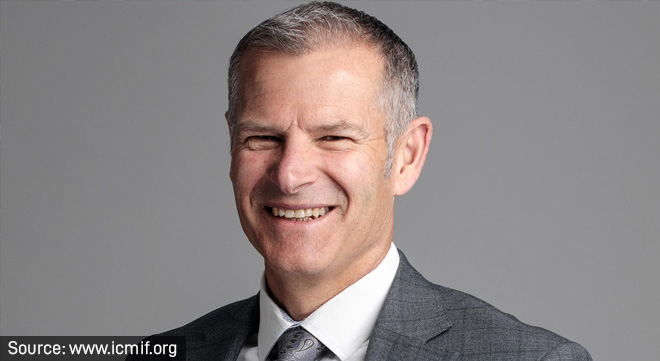
Membership growth was supported by targeted campaigns and eligibility reviews that reactivated previously cancelled members, contributing to increased premium income and retention, said chief executive Izak Smit (pictured).
Total long-term insurance claims rose to R4.39bn, up by 19.9% from R3.66bn in 2024, across 23 016 claims.
The claims mix included:
- R1.5bn in death claims (+35.8%)
- R983.6m in sickness claims (+6.3%)
- R792.8m in critical illness claims (+51%)
- R102.3m in lump-sum disability benefits (−34%)
- R1.01bn in permanent incapacity claims (+7%)
Smit said the higher sickness and death claims “reflect the pressures facing graduate professionals – economic stress, burnout, less time to care for their physical being, and mental health challenges”.
He said the increased claims “naturally had a dampening effect on underwriting profit”.
Lapse rates increased slightly to 4.6%, from 4.4% in 2024, but remained low by industry standards, Smit said.
Product changes included the repricing of the Sickness and Permanent Incapacity benefit to support sustainability, the simplification of profit-share structures, and the introduction of Life Service Fees to strengthen adviser remuneration.
Investments: asset growth, flows, and portfolio positioning
PPS Investments reported assets under administration and management of R112.12bn, up 16.2% from 2024.
Gross inflows increased by 19% to R11.5bn, supported by demand for multi-managed portfolios, discretionary fund management services, and partnership funds.
The business expanded its product range with the introduction of the PPS SA Flexible, PPS SA Balanced, and PPS Worldwide funds, alongside Retirement Income Solutions designed to provide sustainable drawdown strategies for members approaching retirement.
Additional offerings included Shari’ah-compliant funds and tailored glidepath portfolios.
Short-term insurance and indemnity: growth, claims, and profitability
PPS Short-term Insurance reported operating profit of R46.2m, compared with R6.8m in 2024.
The business paid R151.1m in personal and commercial lines claims, an increase of 3.2% compared with 2024.
In-force policies increased by 10.7% to 11 378, reflecting growth in personal and commercial lines.
Smit said the insourcing of claims administration, implemented in late 2024, enabled improved turnaround times, quality control, and a more direct member experience, while independent intermediaries remained a key driver of new business growth.
Across the short-term insurance and health professions indemnity segment, gross written premiums reached R517.3m, up 22.7% from R421.5m in 2024.
PPS Health Professions Indemnity reported R181.1m in premiums, supported by increased uptake among specialists.
Healthcare administration: membership and service innovation
PPS Healthcare Administrators increased membership by 21.7% to 152 633 members.
Growth was supported by expanded services, including mental well-being programmes, enhanced disease risk management, and claims verification services.
New initiatives included the introduction of digital facial scanning technology for scheme members and the launch of PPS Health Insurance, aimed at expanding access to primary healthcare.
glu and international operations
The launch of glu marked PPS’s entry into a broader market segment. Although adviser accreditation and initial uptake progressed, membership growth was described as “slower than expected”, reflecting the time required to build brand recognition and trust.
International operations continued to expand:
- PPS Mutual Australia approached 20 000 members, with in-force premiums exceeding A$120m.
- PPS Mutual New Zealand, launched in August 2025, reported 110 accredited advisers actively writing business.
In Namibia, premium revenue increased by 9.4% to N$279.8m, while claims rose to N$106.6m.
Positioning and outlook
Smit said the performance for the year reflected “disciplined execution and a focus on building resilience across all business areas”.
He said the group remained focused on long-term sustainability, product development, and the continued expansion of its mutual model across business lines and markets.