



Your future self is counting on you
World Financial Planning Day is a timely reminder to reflect on your retirement plan, with MBSE’s Julette Wentzel asking whether your future self will thank you for today’s decisions.
World Financial Planning Day is a timely reminder to reflect on your retirement plan, with MBSE’s Julette Wentzel asking whether your future self will thank you for today’s decisions.

People under financial strain tend to go looking for more credit before they look for advice. Debt-review data, search behaviour, and two-pot withdrawals suggest where that pathway runs, and where the industry could meet people sooner.

The developing FSCA value-for-money approach puts costs alongside investment performance, service quality, governance, and member outcomes.
Discovery’s research points to a complex relationship between mental well-being, financial behaviour, and retirement savings withdrawals.

Many members value retirement guidance, but research suggests it often comes after key savings, preservation, and income decisions have already been made.

With household debt absorbing income and retirement outcomes remaining poor, Discovery has introduced a benefit aimed at addressing both pressures.

Exercising regularly is only the starting point for Discovery’s argument that everyday behaviours can have a lasting effect on earnings, debt, and retirement security.

Better member data, stronger engagement, and AI-assisted tracing may improve future outcomes, but billions of rands in legacy retirement savings are likely to remain unclaimed.

As employers hand more responsibility for retirement and healthcare benefits to staff, the industry is rethinking how to balance freedom with better financial decisions.

Access to education and information has expanded, but the challenge is turning member engagement into better financial decisions and outcomes.

As members leave compulsory preserved savings behind when changing jobs, fragmentation across funds may make it harder to manage fees, investments, and progress towards retirement.

FNB’s survey shows more South Africans are preparing for retirement, while retirees’ experiences disclose the financial pressures that many did not anticipate.
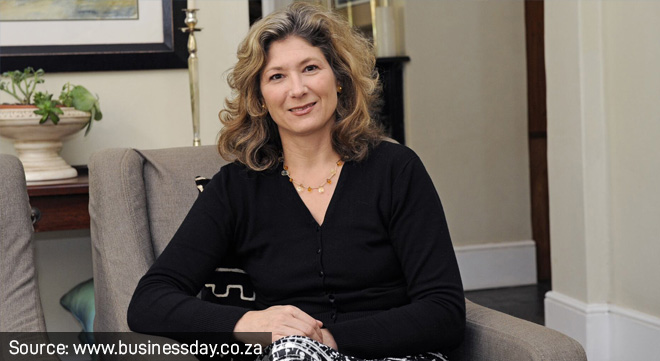
Former FSCA Deputy Commissioner Astrid Ludin argues that the reform has become an unexpected indicator of South Africans’ vulnerability to financial shocks.

Sanlam’s latest Benchmark suggests economic shocks, disrupted careers, and health risks are reshaping how clients across age groups make financial decisions.

Two-pot withdrawals, carried-forward retirement contributions, and incomplete third-party data can affect the final tax position.

The latest Benchmark research argues that small, recurring gambling losses can compound over time just as powerfully as disciplined investing can build wealth.

While billions have been withdrawn through the two-pot system, Alexforbes says more members are remaining connected to retirement funds long after leaving their employers.