



SCA draws the line on access to FIC information
The Court says confidential information cannot be disclosed simply because it may be relevant to litigation, reinforcing the protections built into FICA.
The Court says confidential information cannot be disclosed simply because it may be relevant to litigation, reinforcing the protections built into FICA.

The majority judgment confirms that raising fees can qualify as finance charges similar to interest, potentially reducing the after-tax cost of debt funding.

The revived RAF 1 Form claims could create billions of rands in additional liability, with the Fund’s first-quarter average payment illustrating the potential scale of the exposure.

Awareness of structural defects does not by itself mean a homeowner has the facts necessary to pursue a damages claim.

A ruling involving a religious society offers broader governance lessons on procedural fairness, impartiality, and disciplinary powers exercised by private organisations.

As the National Treasury-backed repayment programme for Ithala depositors nears completion, KZN Treasury says the Prudential Authority will review the repayment administrator’s role.

The ruling was decided under the 1975 Act, yet commentators say its constitutional principles will remain relevant when the new law eventually takes effect.

The retirement fund was not entitled to pay the benefit into the estate because it only learned of the member’s death more than a year later.

The SCA rules that section 127(8) of the NCA empowers Magistrates’ Courts to hear these claims, but it does not bar High Court proceedings.

The judgment confirms that the Tax Administration Act and Tax Court Rules do not restrict appearances to admitted legal practitioners.

The Authority was not required to disclose documents tied to its investigation and search warrant against the Municipal Employees’ Pension Fund.
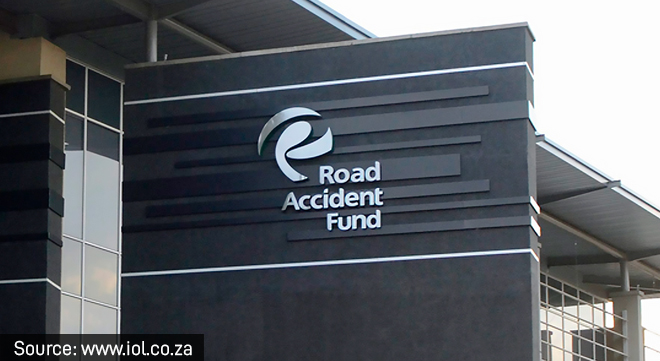
A Court-ordered reset of the RAF claims process may force recognition of previously excluded liabilities, with potentially severe consequences for the Fund and the fiscus.

Neither the RAF nor the Minister of Transport can limit who qualifies for compensation under the Act.

Interest that accrues and remains unpaid does not escape the in duplum rule merely because it is capitalised.

The Supreme Court of Appeal orders the Fund to settle R92 million in judgment debt to Newnet and comply with payment and adjudication requirements.

SARS cannot fundamentally alter the factual basis or remedy of an assessment issued under the general anti-avoidance rule provisions through a Rule 31 statement.

The High Court overturns an earlier disallowance of the curator’s costs and reaffirms that former trustees remain personally liable for curatorship and inspection expenses.