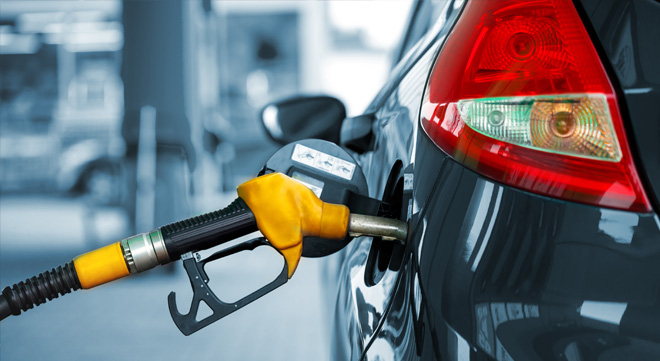
South African motorists sharply reduced their fuel use in April after a steep price increase at the start of the month, according to data from Discovery Insure.
An analysis of telematics and fuel reward card activity from more than 200 000 clients shows that fuel purchases fell by 35% in April compared with March. The drop followed a 1 April increase that pushed petrol up by R3.06 per litre and diesel by as much as R7.51 per litre.
Fuel transaction volumes declined by 28% over the same period, while driving activity also eased. The number of trips taken fell by 10%, and total distance travelled declined by 9%. Even after excluding the Easter weekend from the data, trips and distance were still about 8% lower.
The insurer’s chief executive, Robert Attwell, said the data pointed to a rapid behavioural response to higher prices.
“There was a strong push to fill up before the increase, driven by uncertainty, followed by a pullback as behaviour adjusted towards the end of the month.”
In the final days of March, daily fuel transactions doubled compared with earlier in the month, while total spend rose by 81% as motorists filled their tanks ahead of the increase. Spending began to recover later in April, suggesting that consumers started adjusting to the higher price environment.
The findings are based on Discovery Insure’s client base and may not fully reflect broader national trends, but they offer a real-time view of how insured, telematics-enabled motorists respond to price shocks.
Separate data from the SpendTrend26 report, compiled by Visa and Discovery Bank, indicates that fuel spending remains largely non-discretionary. Most purchases are linked to routine activities such as commuting, school transport, and errands.
Read: Discipline, not distress: South Africans rethink how they spend
However, the report also points to a gradual shift in transport choices. About 58% of surveyed consumers said they are using ride-hailing services more than a year ago, rising to 70% among those aged 18 to 30. Convenience and time savings were the main drivers, although rising fuel costs were also cited.
The April data comes as motorists faced another fuel price increase on Wednesday, 6 May.
Wholesale diesel prices rose rise by R5.27 a litre to R31.18 in Gauteng and to R30.30 on the coast. Petrol (93 and 95 unleaded) increased by R3.27 a litre, to R26.63 in Gauteng and to R25.76 in coastal regions.
The government has extended a temporary R3 per litre reduction in the fuel levy until early June.
Taken together, the data suggests that although fuel demand remains largely essential, sharp price increases can prompt short-term cutbacks in driving and a gradual shift towards more flexible transport options.