


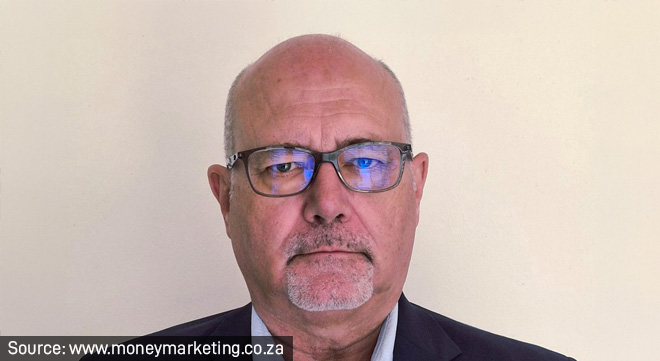
The rand’s long-term outlook may be changing
Improving domestic fundamentals, a potentially weaker US dollar, and lower inflation could mean the rand depreciates more slowly than investors have come to expect.
Improving domestic fundamentals, a potentially weaker US dollar, and lower inflation could mean the rand depreciates more slowly than investors have come to expect.
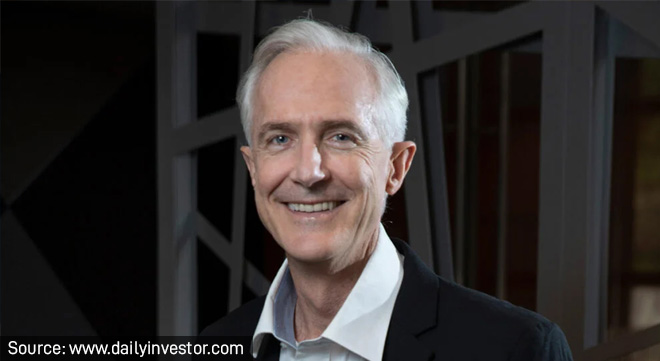
Fuel-price shocks, sticky services inflation, and global pressures are making it harder for the SARB to keep inflation anchored near its new goal, says Sanlam.
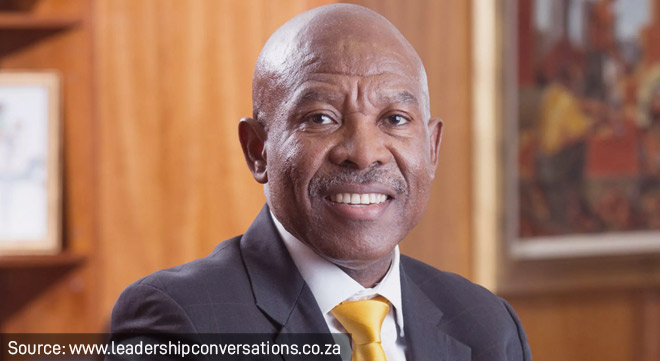
The Reserve Bank is not ruling out more rate tightening after successive fuel price jumps have revived inflation risks.
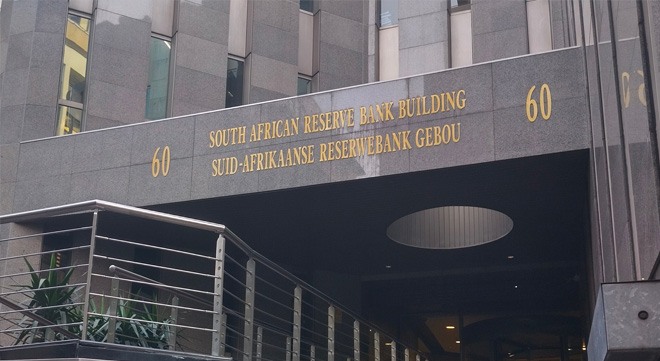
Baseline inflation is seen peaking at 4% in Q2, with scenario analysis pointing to possible rate hikes if second-round effects emerge.
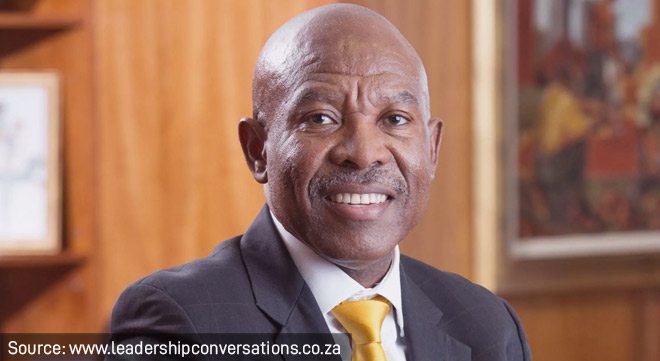
The MPC’s first rate cut in months underscores the SARB’s view that a lower target can support a gradual easing cycle.
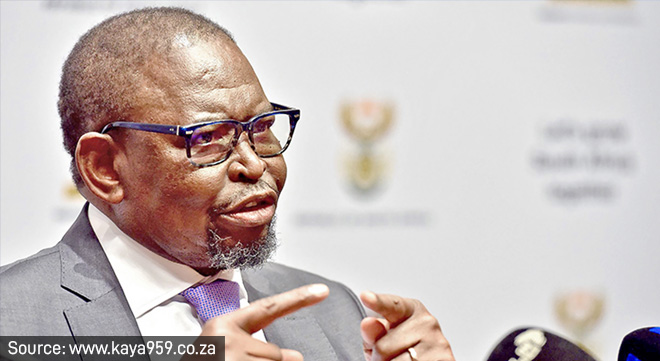
Godongwana announces a shift from the 3%-to-6% range to a 3% target with a 1-percentage-point tolerance band, to be implemented over two years.
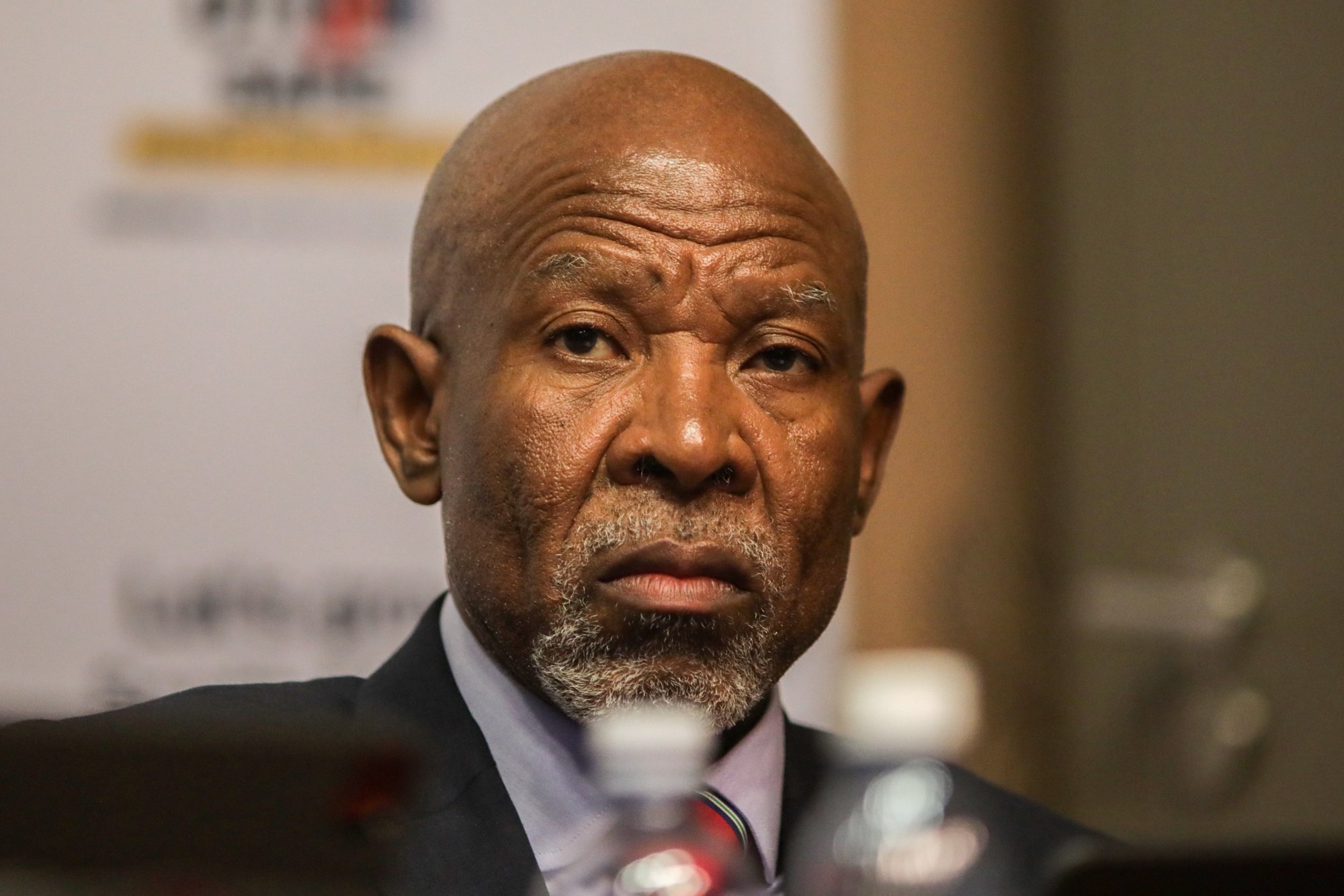
Governor Kganyago signals target reform ‘as soon as is practical’ while policymakers pause cuts.
Tax specialists say stagnant thresholds have the opposite effect of policy aims – instead of freeing SMEs to scale up, they incentivise remaining under the threshold.
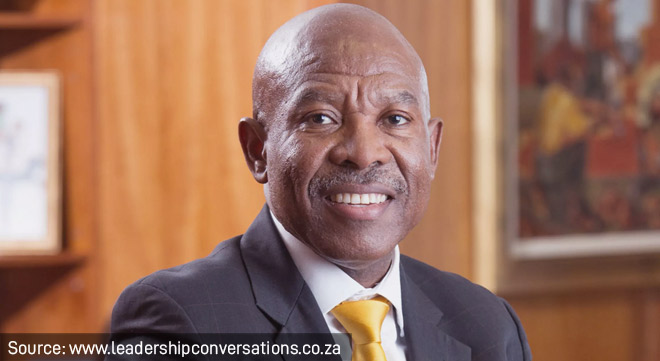
Reserve Bank Governor Lesetja Kganyago says permanently lower inflation, fiscal consolidation, and reduced country risk could cut interest rates and create space for sustainable growth.
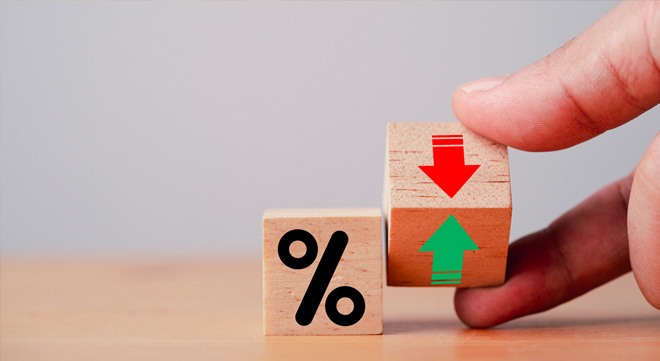
The Reserve Bank’s repo rate cut by 25bps to 7% signals the start of a more accommodative cycle as inflation remains firmly under control.

SARB economist Thuli Radebe explains how targeting lower inflation could ease borrowing costs and support growth – challenging fears that a 3% goal means more interest rate hikes.