




AfCRA eyes first ratings as FSCA clarifies requirements for local recognition
Recognition will depend on meeting the requirements of the Credit Rating Services Act and, for regulatory use, securing additional approval from the Prudential Authority.
Recognition will depend on meeting the requirements of the Credit Rating Services Act and, for regulatory use, securing additional approval from the Prudential Authority.
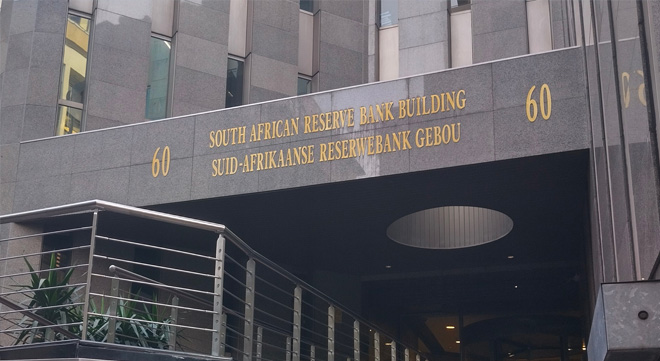
The SARB has delayed Jibar’s end to May 2027, giving lawmakers and market participants more time to prepare for contracts that cannot easily move to ZARONIA.

Momentum’s Sanisha Packirisamy says investors should look beyond direct export exposure to assess whether the loss of preferential access could affect production mandates and capital spending.

The new Africa Credit Rating Agency aims to expand ratings coverage and bring a different perspective to credit assessments. Its challenge will be to earn investors’ confidence.

An unpaid role in an investment club has resulted in a five-year debarment after the Tribunal found that the arrangement fell outside the stokvel exemption.

Sanlam says buying out Santam’s minority shareholders would support earnings growth, improve capital allocation and help lift adjusted return on equity above 20% by 2030.

Asset managers have increased their US Treasury exposure since September, but the outlook for bond yields and equity valuations remains tied to interest rates and AI spending.

The finance committee can remove the Bill’s proposed amendments to the invalidated Public Procurement Act and proceed with the benchmark provisions.

Expanding access to private assets could broaden investment and funding options, but South Africa must grapple with valuation, liquidity, data, and regulatory challenges.

The invalidation of the Public Procurement Act has left lawmakers weighing whether removing part of the amendment Bill would require further public participation.

A BER analysis finds that the same cash flows could theoretically have produced R69.7bn more in the bond market, while highlighting the limits of comparing returns with developmental objectives.
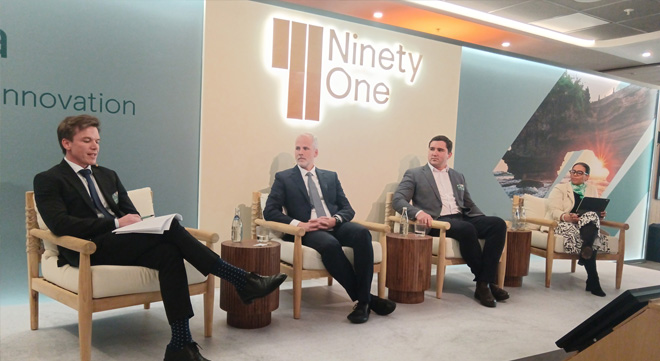
The emergence of tokenised assets raises the question whether SA can develop trusted local infrastructure rather than rely on systems built elsewhere.
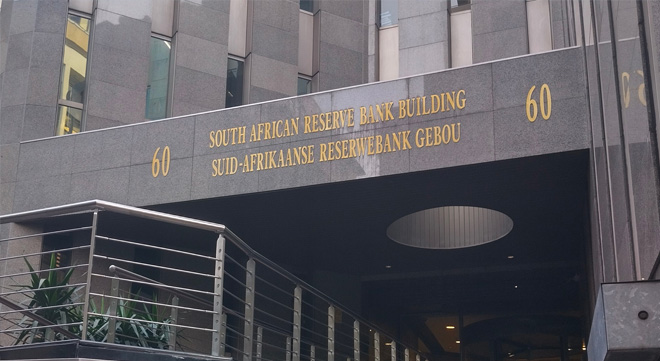
A Bill before Parliament would give the SARB a statutory mechanism to address legacy contracts that still reference JIBAR when the benchmark ceases at the end of 2026.

The proposed framework would require future administrations to set out fiscal plans consistent with sustainable public finances and a declining debt burden.

A new GoTyme-powered banking service is part of a broader strategy to build closer customer relationships, even as investment in future growth weighs on earnings.

Rising bond yields and widening credit spreads suggest mounting risk, but equity valuations have yet to reflect it, raising the prospect of sharper market drawdowns.

From the rand and commodities to electricity and logistics, several pieces of the South African investment story are moving in the right direction.