



The rising cost of money
South Africa’s debt outlook is improving, according to the Medium-Term Budget Policy Statement. But what could higher borrowing costs globally mean for local households, businesses and the public purse?
South Africa’s debt outlook is improving, according to the Medium-Term Budget Policy Statement. But what could higher borrowing costs globally mean for local households, businesses and the public purse?
A BER analysis finds that the same cash flows could theoretically have produced R69.7bn more in the bond market, while highlighting the limits of comparing returns with developmental objectives.
A Bill before Parliament would give the SARB a statutory mechanism to address legacy contracts that still reference JIBAR when the benchmark ceases at the end of 2026.
From the rand and commodities to electricity and logistics, several pieces of the South African investment story are moving in the right direction.

The tie-up will begin with global equity and emerging market ETFs and is designed to widen access to active strategies across international markets.
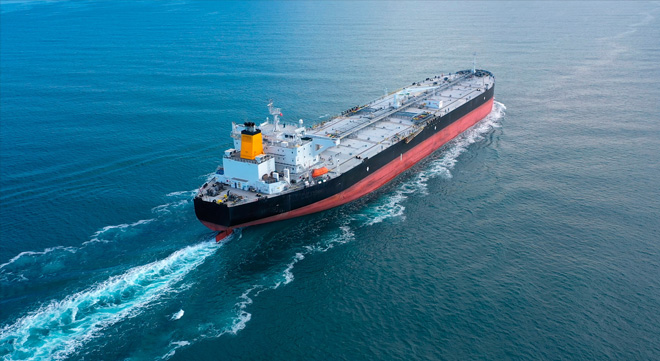
A Middle East-driven energy surge is reshaping inflation, interest rate expectations, and portfolio positioning, with direct implications for South Africa.
John Stopford says future market returns may be shaped by different forces than those of the past decade, with implications for South African assets.
One fund provides a Regulation 28-friendly way to access a South African multi-asset income strategy, while the other is a rand feeder into a US dollar multi-asset income fund.

A decade after the introduction of hedge fund regulations, retail investors are driving strong growth, with RHFs attracting R11.84 billion in net inflows in 2024.

The stronger rand has shifted the focus back to domestic equities and property. Managers leaning into local value and shedding expensive offshore assets are reaping the rewards of this pivot.

Hedge funds saw robust inflows for the second consecutive year, according to recent data released by ASISA.