


Six key themes from the FSCA’s FICA compliance inspections
Moonstone Compliance’s analysis identifies recurring shortcomings that FSPs should fix to avoid enforcement action.
Moonstone Compliance’s analysis identifies recurring shortcomings that FSPs should fix to avoid enforcement action.

The draft PCC reinforces zero-threshold travel rule application, mandatory real-time monitoring, enhanced controls for unhosted wallets, and strict freezing obligations.

SPVs designated as accountable institutions must comply with FICA in full, including independent registration and adherence to RMCP and reporting requirements.

The legislation will strengthen reporting and governance obligations across the non-profit, corporate, and financial sectors.


The Bill largely clarifies and strengthens existing AML/CFT expectations rather than introducing a new regulatory philosophy.

The Bill proposes that arrangements yielding outcomes similar to traditional financial products be treated as financial services.

Accountable institutions will have to provide comprehensive information on the location of their operations when registering with the Financial Intelligence Centre.

Accountable institutions should adopt practical, risk-based RMCPs tailored to their operations, rather than relying on lengthy templates.

A 2021 inspection found late submission of suspicious activity reports, inadequate staff training, delayed monitoring responses, and shortcomings in the bank’s RMCP.

The authorities say that supervision, prosecutions, and measurable outcomes must continue to avoid re-listing as the next mutual evaluation starts in 2026.
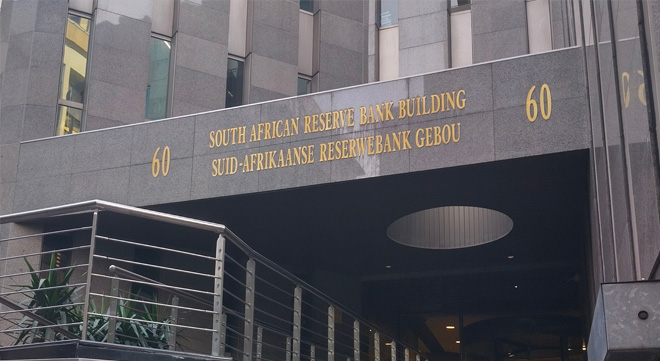
The South African Reserve Bank cites deficiencies in Access Forex’s RMCP, customer verification, and staff training.

While submissions of the mandatory Risk and Compliance Return improved over the past year, 30% of institutions targeted by the FIC’s directives had not complied by March 2025

Requests for reports from the FIC rose by 17% in 2024/25, reflecting the FATF’s pressure on South Africa to strengthen its anti-money laundering efforts.

New criteria require closer supervisory scrutiny of DNFBPs on market entry, ongoing oversight, and high-quality suspicious-transaction reporting.

The updated guidance gives concrete examples of compliance failures and explicitly states that poorly documented RMCPs may be treated as non-compliant.

Ensure registrations and filings are finalised by 5pm on 8 September and back up all records – the old system will be retired after the upgrade.

The sessions will cover institutions’ regulatory reporting obligations and establishing beneficial ownership.