




Digital assets: three questions advisers need to be asking
Who can advise on digital assets, where can clients move them, and what can SARS see? A practical look at the questions advisers need to understand.
Who can advise on digital assets, where can clients move them, and what can SARS see? A practical look at the questions advisers need to understand.

International mobility and digital assets are adding new layers of complexity to how advisers approach residence, wealth structuring, and succession planning.

Experts say taxpayers with undeclared crypto income should consider voluntary disclosure before enhanced reporting increases the likelihood of a SARS audit.

Estate planning for digital assets must address a critical practical problem: ensuring executors can find and access them without compromising security during your lifetime.


The High Court backs the SARB’s position that moving Bitcoin to foreign exchanges can amount to an unlawful export of capital.

Ryk de Klerk links Bitcoin’s slump and hyperscalers’ pain to a jump in Big Tech bond spreads, arguing the market has priced in heavy capex and financing needs.
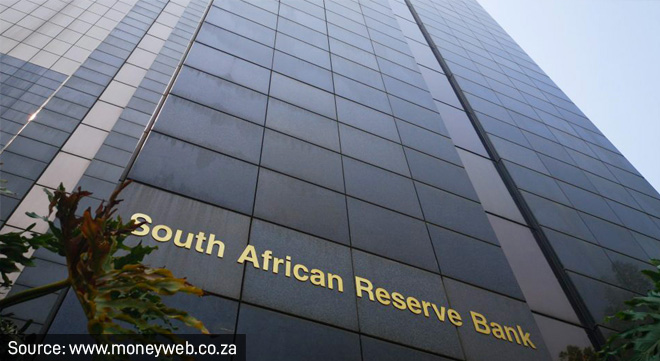
Top domestic Bitcoin wallets moved nearly R63bn offshore since 2019, spurring the SARB and Treasury to develop a cross-border crypto transaction framework.

The Life Bitcoin Plus Fund uses a ‘portable alpha’ strategy to generate returns beyond the performance of the iShares Bitcoin Trust ETF.
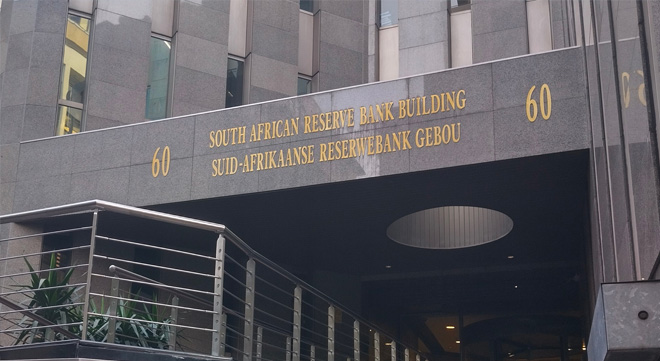
Until the appeal is resolved, the operation of the exchange control rules remains unchanged, and market participants should err on the side of compliance.

Legal experts anticipate a legislative response to plug the loophole and safeguard against large‐scale capital flight via digital assets.

Net cumulative purchases via pure Bitcoin ETFs have surged 2.5-fold since mid-March. This influx underscores growing institutional conviction in Bitcoin as a core portfolio allocation.

Brazilian reports spark speculation as South African authorities probe the circumstances surrounding Steynberg’s alleged death.
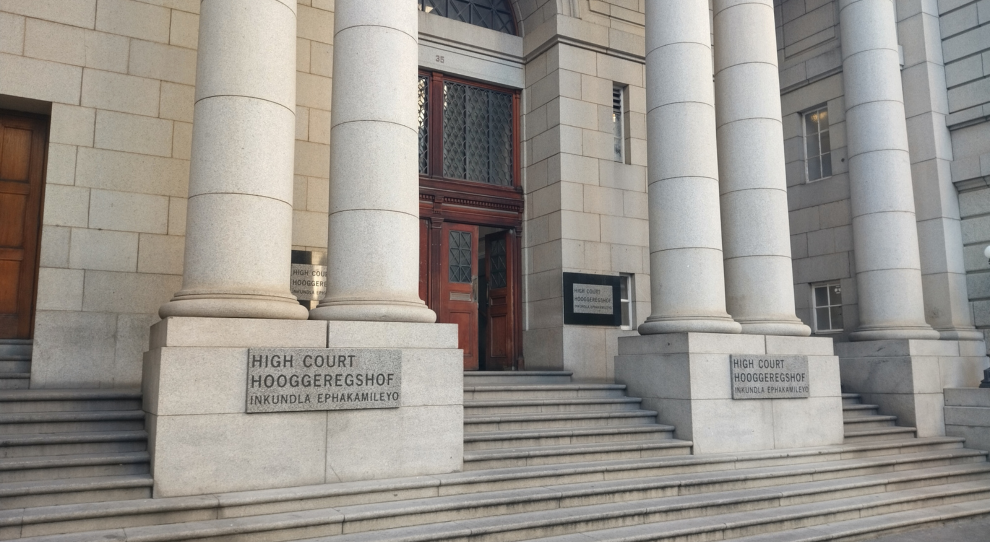
The High Court ordered the applicants to pay punitive costs, saying their allegations were spurious and damaged the joint liquidators’ reputations.

The primary supply of Bitcoin is running dry, and the secondary supply is limited.

The creditors’ list in the Ponzi scheme stands at 8 550 as the joint liquidators prepare to submit the second liquidation and distribution account to the Master of the High Court.
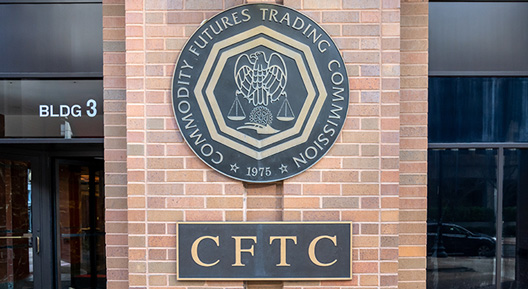
The order against MTI is in addition to the R65bn in penalties imposed on founder and CEO Johann Steynberg earlier this year.

It appears that virtually most excesses, including malfeasance and possible manipulation of the Bitcoin market from December 2020 to June 2022, have been dealt with.


