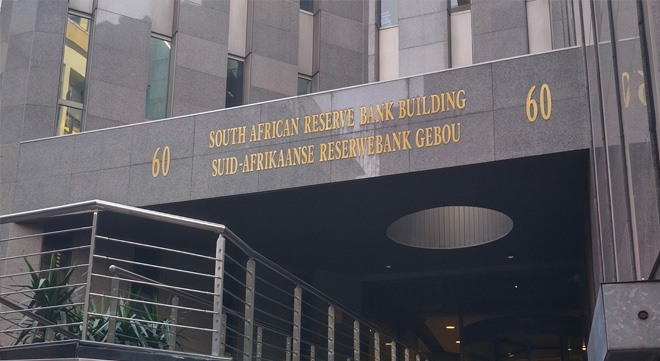
The South African Reserve Bank has published a set of draft exchange control circulars for public comment following reforms announced in the 2026 Budget by Finance Minister Enoch Godongwana.
The circulars (published on 3 March) propose a range of adjustments to the exchange control framework, largely aimed at updating transaction limits and simplifying administrative processes for cross-border transactions.
The changes are reflected through amendments to the Currency and Exchanges Manual for Authorised Dealers and related operational guidance.
In practical terms, the proposals increase several thresholds used for routine cross-border payments and investments, while also reducing some administrative steps for authorised dealers.
Nine draft circulars accompany the announcement and outline how the changes will be implemented. Broadly, the circulars cover adjustments to discretionary allowances, payment limits, cash export limits, inward foreign loans, merchanting transactions, and certain administrative approvals relating to foreign-currency settlements.
One of the most significant proposals is an increase in the single discretionary allowance available to individuals. The annual limit would double from R1 million to R2 million, while the travel allowance available to individuals under the age of 18 would increase from R200 000 to R400 000. The changes are reflected in amendments to the manuals applicable to authorised dealers and authorised dealers in foreign exchange with limited authority.
Another circular raises the limit on foreign payments made using credit or debit cards for online purchases, services, or subscriptions, increasing the cap from R50 000 to R100 000 per transaction.
Several circulars adjust limits for routine cross-border transactions. These include raising the threshold for certain miscellaneous payments to non-residents from R100 000 to R200 000 per transaction, as well as increasing the amount of South African banknotes that travellers may carry across borders from R25 000 to R100 000.
Other proposed changes focus on administrative simplification.
One circular removes the interest-rate cap previously applied to inward foreign loans, allowing authorised dealers to approve such borrowing provided the interest rate is market-related, with the loans continuing to be reported through the SARB’s loan reporting system.
Another introduces a uniform four-month settlement period for merchanting transactions, replacing the shorter and more complex timeframes that currently apply depending on the jurisdiction involved.
The draft circulars also include changes allowing authorised dealers to renew certain approvals for local settlement in foreign currency between residents over customer foreign currency accounts without referring each renewal to the SARB, provided the circumstances underlying the original approval remain unchanged.
The proposed reforms form part of broader efforts by the SARB and the National Treasury to modernise exchange control administration while maintaining oversight of cross-border financial flows.
Interested parties have until 17 March 2026 to submit comments, after which the Financial Surveillance Department will consider the submissions before issuing final circulars and confirming the effective date of the dispensations.
Comments must be emailed to SARB-FinSurvDocuments@resbank.co.za.
Click here to download the draft circulars.
The prescribed format for comments is in Annexure C.
The SARB also said National Treasury will publish updated draft regulations to enable the implementation of the capital flow management framework and the crypto assets framework for cross-border activities.