




Digital assets: three questions advisers need to be asking
Who can advise on digital assets, where can clients move them, and what can SARS see? A practical look at the questions advisers need to understand.
Who can advise on digital assets, where can clients move them, and what can SARS see? A practical look at the questions advisers need to understand.

The Institute for International Tax and Finance says Clara can indicate when SARS approval may be required and which supporting documents users may need.

Early industry reaction focuses the implications for stablecoin payments and self-custody wallets, and the compliance burden.

Experts say taxpayers with undeclared crypto income should consider voluntary disclosure before enhanced reporting increases the likelihood of a SARS audit.

Treasury and the SARB say the proposals are not intended to criminalise crypto possession and have extended the deadline to comment.

Exchanges say the draft could affect routine crypto use, while one legal analysis questions whether the framework is truly more permissive.

National Treasury releases the draft Capital Flow Management Regulations to replace the Exchange Control Regulations.
The final circulars implement the March proposals, with only targeted technical refinements following the consultation process.

The new reporting regime, effective from 1 March, increases the information available to SARS through third-party reporting and international data exchange.
The proposed changes include higher discretionary allowances, adjustments to cross-border payment limits, and administrative reforms affecting authorised dealers.

The Reserve Bank has partially reversed its exchange control changes, removing tax-clearance requirements for some non-resident income flows. However, restrictions on rental income and directors’ fees remain in place.
The Institute for International Tax and Finance says the latest exchange control changes could discourage foreign investors and add red tape for non-residents.

The main reasons are the growing threat of populist policies and ensuring that children and grandchildren can study overseas, so they can compete for jobs globally.
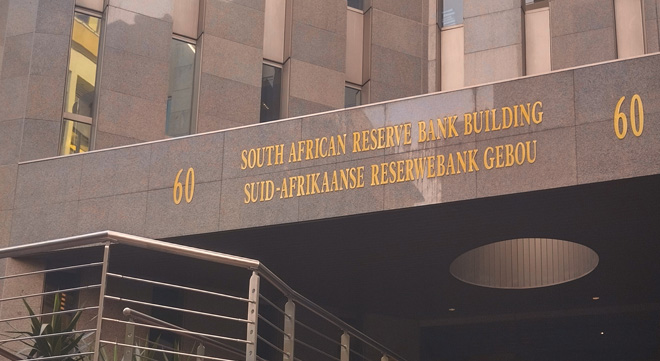
The SARB plans to continue enforcement action against Ibex Holdings, formerly Steinhoff, and other parties but may consider a settlement to resolve the matter.


