



COFI: What must an advice file prove beyond compliance?
The FSCA’s Lezanne Botha explains why signed forms and completed disclosures are not enough, and what evidence can show that advice was suitable and customers were treated fairly.
The FSCA’s Lezanne Botha explains why signed forms and completed disclosures are not enough, and what evidence can show that advice was suitable and customers were treated fairly.
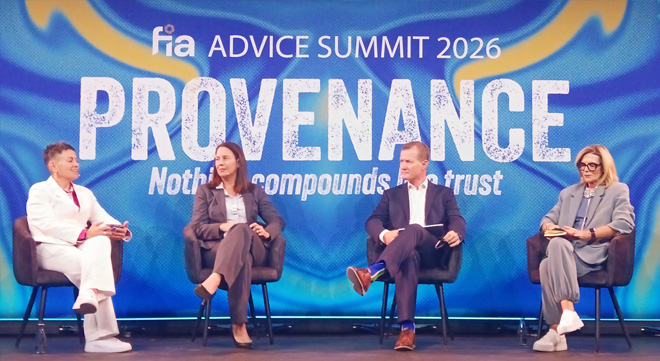
The FSCA plans to consult on its relicensing approach and publish it about six months before the relevant provisions take effect.

The finance committee can remove the Bill’s proposed amendments to the invalidated Public Procurement Act and proceed with the benchmark provisions.

Accountable institutions are given detailed instructions for submitting branches and subsidiaries, linking existing registrations, and managing location information on goAML.
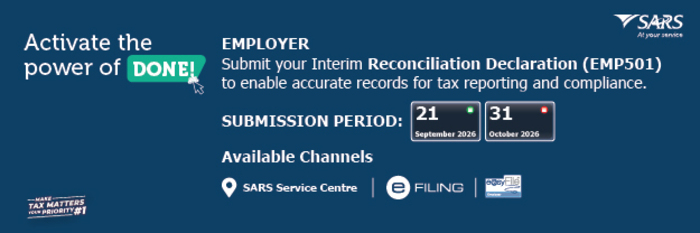

Financial institutions, insurers, and other direct marketers have until 6 November to comment on proposed guidelines setting out their compliance obligations.

Following its 2023 judgment, the Court has removed the separate exclusion that prevented pension interest from being considered in qualifying post-1984 marriages.

The Tribunal questioned Clientèle’s ‘free’ voucher advertising and sales script, while the insurer says its Royalty benefit is provided at no additional cost.

The FIC’s new manual explains when institutions should screen clients, how they must assess possible matches, and what follows when sanctioned property is identified.

The invalidation of the Public Procurement Act has left lawmakers weighing whether removing part of the amendment Bill would require further public participation.

Draft PCC 126 sets out when dealers fall within FICA’s high-value goods category and explains the resulting registration and compliance obligations.

The FST says the factors in section 167 of the FSRA are individual in nature and must be assessed in determining the appropriate penalty for each person.

The standalone system introduces new registration, seller relationships, and record-keeping requirements.
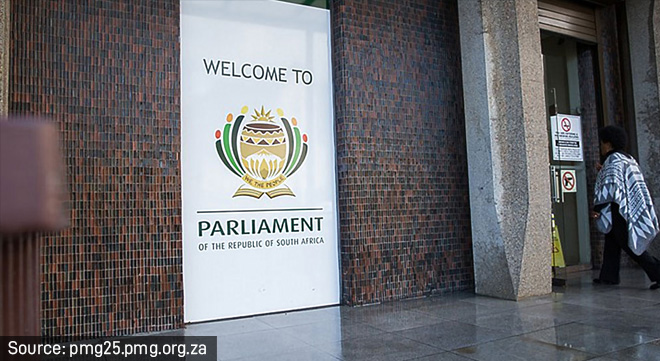
The wording of several provisions has been refined, but procurement-related drafting and the response to concerns raised by the NPO sector remain outstanding.

The FSCA improperly allowed cost-recovery considerations to influence the sanction and did not assess the applicant’s financial benefit separately from his client’s.

The company should have acted in June 2023 when it suspected that confidential information about a R100-million acquisition had been compromised.

The majority judgment confirms that raising fees can qualify as finance charges similar to interest, potentially reducing the after-tax cost of debt funding.

The Tribunal found that proceedings had not commenced before the six-month deadline, preventing it from sending the matter back for reconsideration.