



Dishonesty not required for debarment on integrity grounds
The Tribunal found that a serious breach of the duty to protect confidential client information can establish unfitness even where no misuse or harm is proved.
The Tribunal found that a serious breach of the duty to protect confidential client information can establish unfitness even where no misuse or harm is proved.

The Tribunal weighed the representative’s clean record and lack of personal gain against her deliberate falsification of a client’s investment instruction.
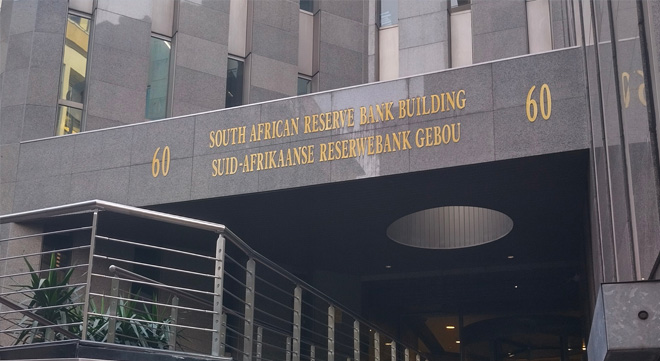
The sanctions against Capitec, Ninety One Assurance, and Albaraka arose from inspections conducted between 2021 and 2023.

The enhanced ITR12T will draw on third-party data, while SARS steps up scrutiny of nil returns, passive assets, and assessed losses.


Retirement funds will face expanded annual and quarterly reporting, while boards remain responsible for setting ESG mandates and overseeing how asset managers implement them.

The sanctions cover a range of shortcomings, from deficient RMCPs and customer checks to sanctions screening, registration, and failures to provide information.

The regulator will refer Banks Act findings to the Prudential Authority and reconsider action against Charl Coetzee in light of additional information.

The affected institutions face October deadlines, while the consultation feedback provides guidance on how the requirement applies in practice.

The reporting framework requires financial institutions to assess materiality promptly and provide regulators with information even while an incident is being investigated.

The annual benefit escalations for policies that fall under the Demarcation Regulations.

The Regulator highlights the scale of security incidents, direct-marketing concerns, enforcement cases, and weaknesses in the legislative framework.

The emergence of AI systems capable of planning and acting autonomously presents a governance challenge that cannot be addressed simply by treating them as more advanced technological tools.

BPR 430 considers a proposed distribution and set-off of reciprocal loan claims, but its tax outcome is confined to the particular facts presented to SARS.

Two limited FICA changes were indicated, while the FSCA explained why the financial-sector provisions would not be amended.

An FSP cannot treat debarment as an automatic consequence of a disciplinary finding, the Tribunal says, setting aside a process riddled with procedural failures.

The shift to near real-time reporting promises better fraud detection and faster refunds, but businesses face significant technology costs and implementation challenges.

The adviser breached Sanlam’s internal cash-handling rule, but the conduct did not establish a lack of honesty and integrity.