
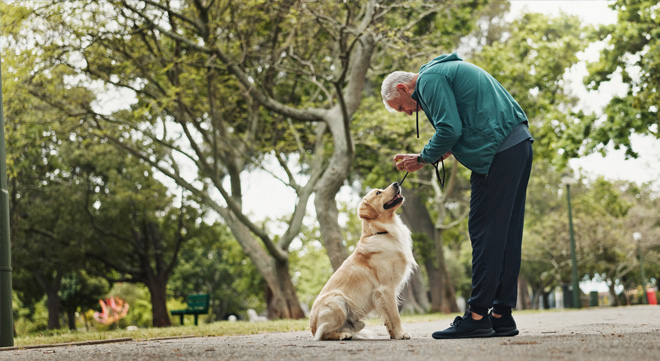
A R1-million nest egg for a horse. R3m and a property for dogs. And R200 000 for whoever adopts a pair of dogs from the SPCA. South Africans are taking pet provisions in their wills to a whole new level.
New data from Discovery Wills and Trust Services shows that roughly one in nine people who include special clauses in their wills stored with Discovery make provision for a pet.
It is perhaps not surprising. South African households are home to approximately 7.4 million dogs and two million cats, with nearly one in four households owning at least one, according to Statistics South Africa.
For many people, pets are part of the family. But while owners can make provision for their animals in their wills, they cannot simply leave money or property to them.
“You can’t leave money or property directly to a pet because an animal doesn’t have a legal personality when it comes to owning property or assets. Instead, you need to provide for their care through a person or ideally through an appropriate structure, such as a trust,” says Harry Joffe, the head of legal services at Discovery Life and Discovery Wills and Trust Services.
The amounts people are setting aside range from R50 000 for a pet’s future care to substantial sums and property. Discovery’s examples include:
- R3m and a property for the ongoing care of dogs;
- R1m for the care of a horse;
- R500 000 to a kennel for pet care;
- R200 000 for whoever adopts the owner’s dogs from the SPCA;
- R50 000 per pet for future adopters; and
- R50 000 towards a dog’s care.
Some owners have also been specific about what they want to happen to their animals. They name caregivers, identify alternatives if their first choice is unable to help, and set out instructions for their pets’ care. In some cases, they stipulate that their animals must go to no-kill rescue organisations if nobody is available to take them in.
“These aren’t decisions people make lightly. They reflect how intently people think about what’s kindest for an animal that depends on them,” says Joffe.
A pet cannot inherit directly
Although a will can provide for an animal’s future care, the animal cannot inherit money or property in its own right. The owner must instead arrange for someone or an appropriate legal structure to receive and manage the funds.
One option is to leave a lump sum to a person who agrees to take care of the animal. The difficulty is that, once the money has been bequeathed to that person, there is limited control over how it is spent.
Joffe recommends considering a trust, particularly where substantial amounts of money or property are involved.
“Trustees are legally accountable and liable to use the mandated funds in the manner prescribed in the trust deed. If it is a matter of leaving the funds to another person, the outcome is much harder, if not impossible, to control.”
A trust can provide for the animal throughout its lifetime, with an animal rescue organisation named as a beneficiary to receive any remaining funds after the pet dies.
What should be included in the will?
There are several practical details worth considering when a client wants to make provision for a pet.
Find someone willing to take care of the animal
The first step is to identify someone who is prepared to take responsibility for the pet. Ideally, the owner should nominate more than one person, in order of preference.
It is important to have this conversation before naming someone in the will. A family member or friend may not be able to take on the responsibility.
“Never assume someone will say yes. Have the conversation before you nominate someone,” says Joffe.
Make provision for the costs
Food, veterinary bills, and insurance need to be considered when deciding how much money to leave for an animal’s care.
The will should specify the amount being provided, what the money is intended to cover and, where relevant, how long it should last. The funds could be left as a lump sum to the caregiver or managed through a trust.
Decide what happens to any money left over
If a trust is established, the owner should also decide who receives any remaining funds after the animal dies. An animal welfare organisation could, for example, be named as the beneficiary.
Have a backup plan
What happens if the person nominated to care for the animal dies, moves away or is no longer able to take responsibility? The will should provide for an alternative caregiver or, if necessary, a nominated animal shelter.
Joffe says some of the common omissions include naming a caregiver without first getting their agreement, failing to identify a beneficiary for any remaining funds, and not putting an appropriate structure in place to protect the money.
“A pet clause works like any other part of your will. It needs to be specific, and it needs to ensure the funds are protected and used for their intended purpose,” he says.
Four-legged dependants need an estate plan too
Estate planning conversations tend to focus on spouses, children, property, and financial assets. But where a client has an animal that depends on them, its future care deserves attention too.
“A will should reflect your unique circumstances, not just become a legal template,” says Joffe. “If an animal depends on you, that’s part of your estate planning too.”
The challenge is to make sure that someone is prepared to take responsibility, that the money is available to meet the animal’s needs, and there is a clear plan if the original arrangements fall through.
“The best will isn’t necessarily the most complicated one. It’s the one that leaves as little uncertainty as possible for the people who have to carry out your wishes.”