


Why put a finance qualification on your 2027 to-do list?
What will still be useful when the world of work changes? A finance qualification can provide a foundation in knowledge, technology, and skills that can adapt with the industry.
What will still be useful when the world of work changes? A finance qualification can provide a foundation in knowledge, technology, and skills that can adapt with the industry.

Panellists at the FIA Advice Summit said advisers must question AI-generated recommendations, apply their own judgement, and remain accountable for the advice they give.
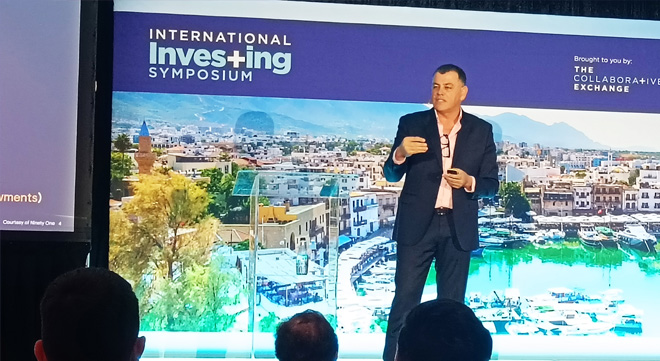
Albert Coetzee explains why offshore investment structures must account for situs tax, beneficiary circumstances, and succession planning to ensure wealth reaches the intended heirs.

A three-part approach that helps planners understand clients’ wider relationships, adapt conversations to their readiness, and make implementation less daunting.

Moonstone covered the people and perspectives behind the conversations shaping financial advice. Watch our interviews with FIA leadership and industry representatives.

The FSCA’s Lezanne Botha explains why signed forms and completed disclosures are not enough, and what evidence can show that advice was suitable and customers were treated fairly.

Mark Hedderman challenges advisers to test how well their firms could maintain client relationships, service standards, and decision-making if the founder were suddenly absent.

From AI and climate risk to healthcare costs and regulatory reform, the summit explored how advisers can adapt while preserving sound judgement, accountability, and meaningful client relationships.

Kim Potgieter explains how advisers can uncover clients’ goals, money beliefs, and emotional responses before recommending a financial solution.

Asset-allocation percentages provide a starting point, but assessing issuer concentrations and overlapping holdings requires more detailed evidence than a fund fact sheet can provide.

The FPSB’s second global study finds growing use in client service and research, alongside reported efficiency gains and concerns about privacy and reliability.

Rianné Potgieter says greater regulatory discretion demands broader knowledge, ethical leadership, and accountability for the decisions planners make.

An FPI convention panel explored the implications of AI for client data, technical competence, record-keeping, and the adviser-client relationship.

Cross-border clients can create complex insurance challenges – from foreign-currency liabilities and estate duty to tax residency, beneficiaries, and offshore compliance.

International mobility and digital assets are adding new layers of complexity to how advisers approach residence, wealth structuring, and succession planning.

Debt does not die with you – it becomes part of your estate, potentially affecting what your family inherits and how quickly they can access it.
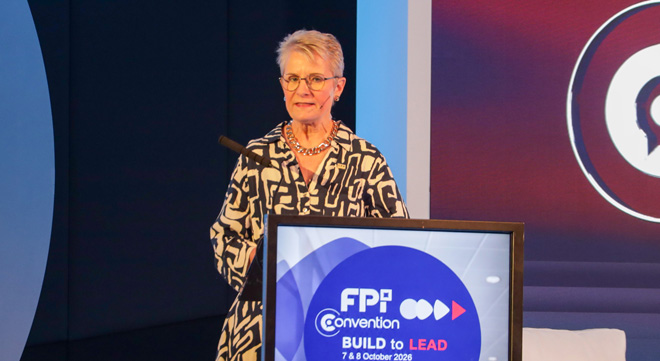
Kirsty Scully says five global trends and four possible AI scenarios show why advisers must adapt without sacrificing the human guidance clients value.