



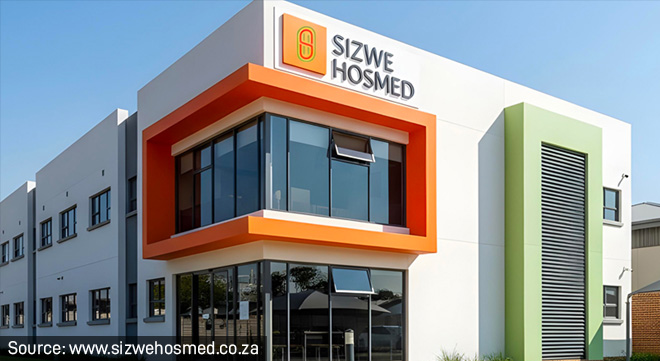
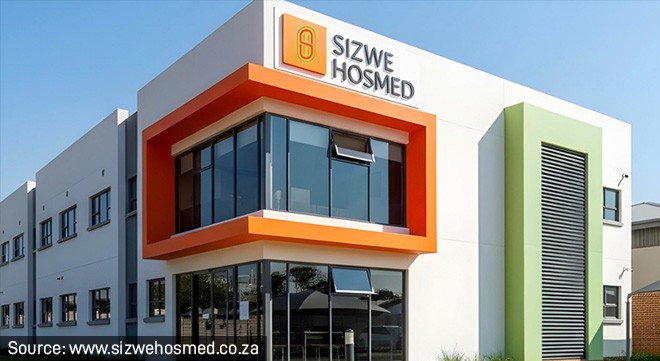
Sizwe Hosmed enters 2027 with 40% solvency and self-administration in place
Contributions will increase by between 7.5% and 8.5%, with Essential Copper introducing a lower-income band.
Contributions will increase by between 7.5% and 8.5%, with Essential Copper introducing a lower-income band.

Most members will face increases of 7% or less, while the scheme is adding benefits in mental health, maternity, preventive care, and emergency treatment.
Parliamentary questions extend from fraud and outsourcing to trustee remuneration and benefit design, while the scheme’s reserves remain below the statutory requirement.
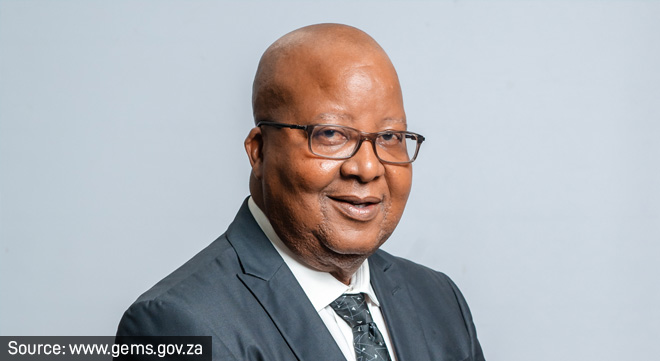
The scheme says R1.7 billion in projected savings could moderate future increases as it prepares for robust talks with organised labour.


The CMS argues that a 7.5% increase would have weakened GEMS’s financial sustainability and shifted costs to members in future.
The regulator has rejected the scheme’s proposal to reduce its weighted average contribution adjustment to 7.5%, leaving the existing 9.5% increase in place.

A review of five years of Medihelp’s annual reports traces the events behind the scheme’s fall below and its rise back above the statutory minimum.

Membership, claims, reserves, and solvency all point to a strong year, but they also reveal the long-term pressures facing the scheme.

Twenty years of industry data show that medical schemes have become increasingly dependent on scale, investment returns, and strong reserves to remain sustainable.
An accelerated 19% contribution increase is designed to correct historic under-pricing and shore up reserves.

Medihelp says it will challenge the judgment while the cost of Elaprase awaits a final decision by the CMS Appeal Board.

New benefits, flexibility, and holistic well-being support strengthen Medihelp’s role as a healthcare partner, not just a funder.

Leading open medical schemes have announced increases above the CMS’s guidance, underscoring the tension between regulator calls for restraint and schemes’ funding needs.

The curator will assess Sizwe Hosmed’s finances and recommend whether it should merge, be liquidated, or continue.

The Council for Medical Schemes recommends capping 2026 contribution increases at 3.3% plus “reasonable utilisation estimates”, yet past trends show schemes often push far higher.

Medihelp says its recovery plan is on track, with strong cost controls, younger members, and CMS-approved funding measures set to restore financial stability by 2026.

The deterioration in Sizwe Hosmed’s reserves is attributed to ‘benefit under-pricing and historically unreliable budgetary and forecasting processes’.


