


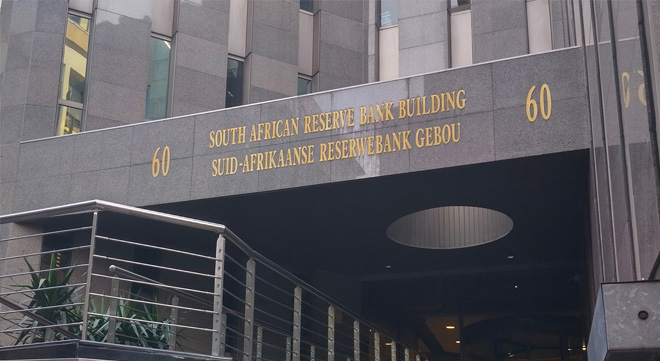
JIBAR transition enters legislative phase
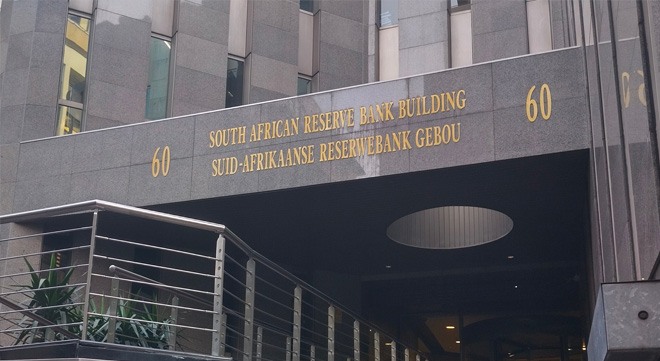
A Bill before Parliament would give the SARB a statutory mechanism to address legacy contracts that still reference JIBAR when the benchmark ceases at the end of 2026.
A Bill before Parliament would give the SARB a statutory mechanism to address legacy contracts that still reference JIBAR when the benchmark ceases at the end of 2026.
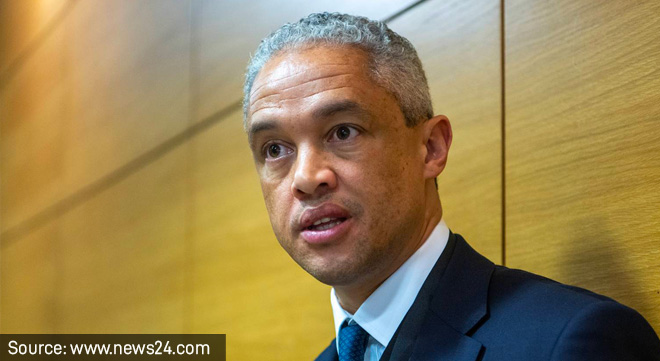
The proposed framework would require future administrations to set out fiscal plans consistent with sustainable public finances and a declining debt burden.

Improving domestic fundamentals, a potentially weaker US dollar, and lower inflation could mean the rand depreciates more slowly than investors have come to expect.

From the rand and commodities to electricity and logistics, several pieces of the South African investment story are moving in the right direction.


DebtBusters’ Q2 Debt Index shows that consumers earning over R50 000 a month need more than their monthly income to service debt.

The biggest technology momentum unwind in 27 years is coinciding with a shift on where value will be created across the AI ecosystem.

After an unpredictable first half, Morningstar outlines the risks, opportunities, and investment themes it believes will shape markets for the rest of 2026.

A Debt Rescue survey suggests many households have little capacity left to absorb higher borrowing costs, adding to concerns about rising food, fuel, and electricity expenses.
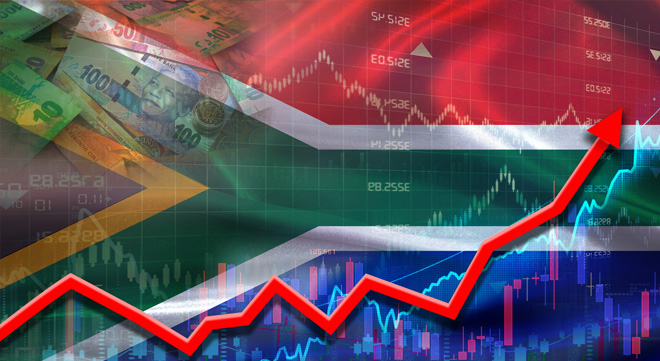
The SARB still faces risks, although lower oil prices and improving supply expectations point to a less threatening inflation path than three weeks ago.

Signs of recovery are emerging across the economy, yet questions remain about whether the momentum can survive global uncertainty.

Inflation has already erased recent gains, and higher fuel costs risk deepening the squeeze on household budgets.

DebtBusters data shows repayments still swallow most take-home pay, with pressure shifting upwards to higher earners and credit thinning out for lower-income households.

Lenders and dealers should dig deeper into living costs, dependants, and insurance obligations to avoid stretching consumers beyond their means.

Global shocks may be getting harder to forecast, and the real task is constructing portfolios that can withstand a wider range of outcomes.

Fuel-price shocks, sticky services inflation, and global pressures are making it harder for the SARB to keep inflation anchored near its new goal, says Sanlam.
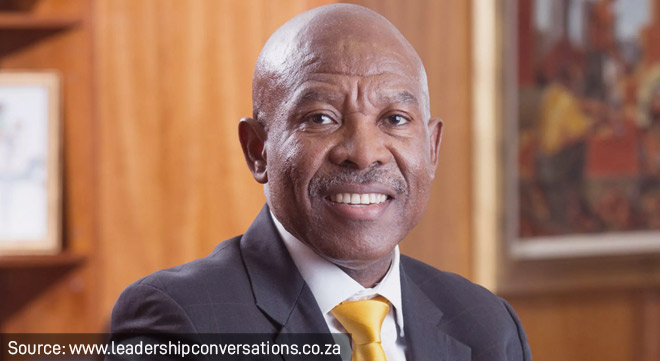
The Reserve Bank is not ruling out more rate tightening after successive fuel price jumps have revived inflation risks.
Baseline inflation is seen peaking at 4% in Q2, with scenario analysis pointing to possible rate hikes if second-round effects emerge.