



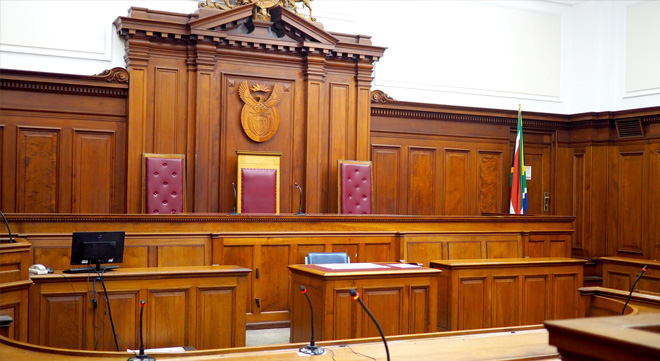
Why did one law firm get 90% of RAF Corporate Panel work?
An arrangement intended to cost R10m for 10 months ran for years, absorbed R26.6m in seven months, and included claims work outside its scope.

The FPSB’s second global study finds growing use in client service and research, alongside reported efficiency gains and concerns about privacy and reliability.
An arrangement intended to cost R10m for 10 months ran for years, absorbed R26.6m in seven months, and included claims work outside its scope.

SCOPA says linking attorneys’ success fees to claim values may create incentives to inflate claims, while billions in legal costs flow through a small group of firms.

The annual benefit escalations for policies that fall under the Demarcation Regulations.

The Regulator highlights the scale of security incidents, direct-marketing concerns, enforcement cases, and weaknesses in the legislative framework.


An impaired credit record and frequent switching may combine to make affordable short-term insurance more difficult to obtain.

Life APE sales and gross flows rose 21%, while results from operations are expected to increase, but investment returns have put pressure on profitability.

IRFA will focus on governance, member education, and constructive policy engagement as the retirement-fund sector navigates continuing regulatory change.

The industry broadly supports centralising tracing and administration but questions whether moving assets to the CPD is necessary, appropriate, or in members’ interests.

Many members value retirement guidance, but research suggests it often comes after key savings, preservation, and income decisions have already been made.

Parliamentary questions extend from fraud and outsourcing to trustee remuneration and benefit design, while the scheme’s reserves remain below the statutory requirement.

For insurers making decisions about risks and commitments that may play out decades into the future, leadership increasingly means acting wisely without the comfort of certainty.

Financial pressure is prompting South Africans to scrutinise value more closely, while AI is giving them new ways to research and compare businesses before they engage.

Severe storms drove a sharp increase in large claims, but improved book profitability and underwriting discipline helped keep the margin above the target midpoint.

The emergence of AI systems capable of planning and acting autonomously presents a governance challenge that cannot be addressed simply by treating them as more advanced technological tools.

BPR 430 considers a proposed distribution and set-off of reciprocal loan claims, but its tax outcome is confined to the particular facts presented to SARS.

Recent cases show how legitimate company names and representative details can be misused, while other warnings concern unlicensed investment and trading activities.
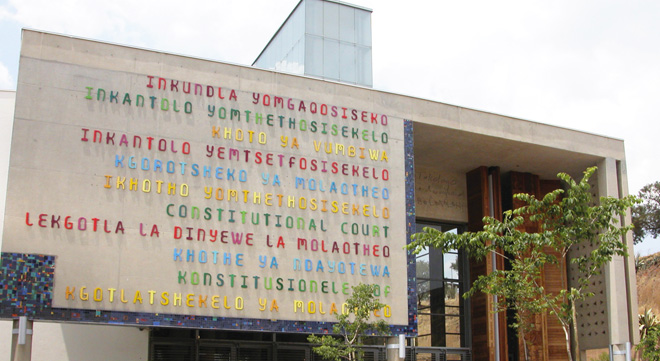
Offshore companies are not beyond the Competition Commission’s reach, but a local connection alone will not be enough to bring them before South African competition authorities.


