



SCA underscores the importance of fair process in voluntary associations
A ruling involving a religious society offers broader governance lessons on procedural fairness, impartiality, and disciplinary powers exercised by private organisations.
A ruling involving a religious society offers broader governance lessons on procedural fairness, impartiality, and disciplinary powers exercised by private organisations.

New FPSB guidance says professional scrutiny should extend beyond factual accuracy to omissions, bias, assumptions, and the alternatives considered by AI models.

IRMSA says economic weakness, cyber threats, fraud, and climate pressures are increasingly interacting, while digital innovation and financial inclusion offer routes to growth.

Municipalities that fix their governance failures could regain funding within weeks, while provinces and national departments are now facing the same scrutiny.

The ruling found sufficient prima facie evidence for withholding but did not determine whether Karabo Ramela committed fraud or caused the claimed losses.
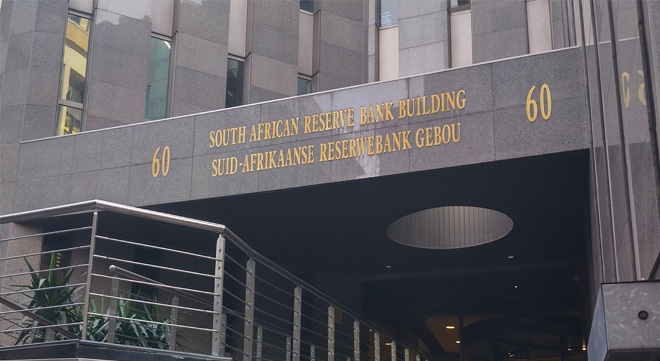
An inspection by the South African Reserve Bank uncovered shortcomings in a foreign exchange dealer’s anti-money laundering compliance framework.

Solomon Slom was convicted of theft and money laundering after funds entrusted to his care were diverted through fraudulent transactions.
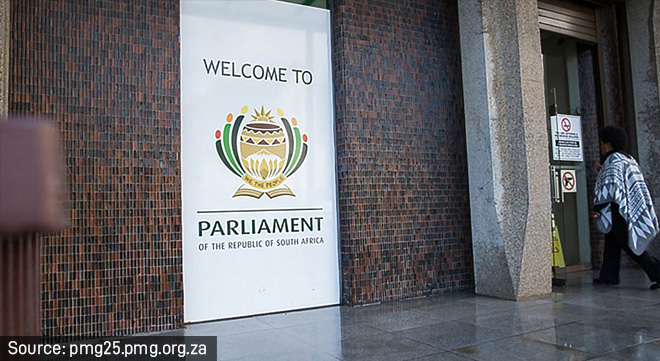
Stakeholders have until 10 August to comment on proposed amendments aimed at strengthening South Africa’s financial crime framework.

The three JSE-listed global funds join the BSE as Botswana’s pension investment framework shifts towards greater onshore investment.

Sanlam’s latest Benchmark suggests economic shocks, disrupted careers, and health risks are reshaping how clients across age groups make financial decisions.

With COFI on the horizon, the webinar will unpack its practical implications alongside key regulatory, enforcement, and FICA developments.

Just 10 of the 69 affected municipalities account for more than R21.6bn in arrears to utilities, retirement funds, SARS and other creditors.

The source of an obligation does not determine whether disputed conduct amounts to genuine fit-and-proper misconduct.

Two-pot withdrawals, carried-forward retirement contributions, and incomplete third-party data can affect the final tax position.

The decision clarifies when prior civil proceedings may prevent the Pension Funds Adjudicator from investigating a complaint over withheld benefits.
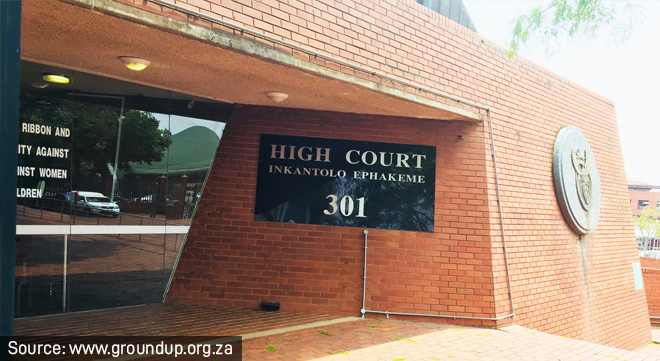
A couple’s joint estate has been finally sequestrated after the High Court rejected several challenges to the Prudential Authority’s case.

Late-payment interest now accounts for almost half of arrears, suggesting unpaid contributions are remaining outstanding for longer.