
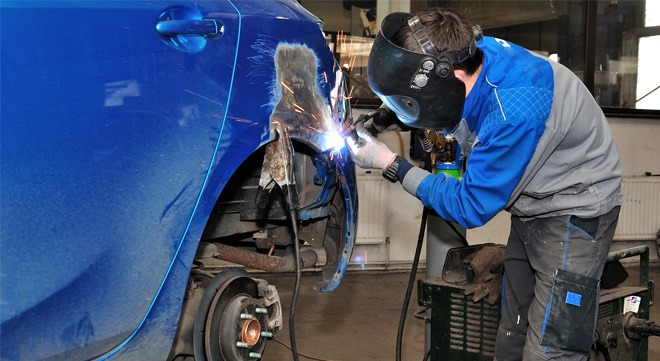
The South African Motor Body Repairers Association (SAMBRA) has raised concerns about what it describes as a growing trend among motorists accepting upfront cash settlements from insurers instead of proceeding with authorised repairs.
SAMBRA, an association of the Retail Motor Industry Organisation, says it is observing an increase in cases where vehicle owners choose “cash in lieu” – a payment made in place of repairing or replacing damaged parts.
According to SAMBRA, although this practice is not yet widespread, it is gaining traction among motorists under financial pressure or struggling to pay insurance excesses.
The Association warns that consumers may not fully understand the implications of accepting these settlements. SAMBRA highlights several risks:
- The cash payout may not reflect the full cost of quality repairs or replacement parts.
- Repairs carried out using substandard methods or parts may compromise structural integrity and safety.
- Repairs done without manufacturer-approved parts can diminish resale value and may void warranties.
- If the payout proves inadequate for proper repairs, consumers may face disputes or unanticipated out-of-pocket costs.
SAMBRA advises motorists to obtain a comprehensive quote from an accredited repairer and ensure they understand any waiver of rights, exclusions, or impacts on warranties before accepting a cash-in-lieu offer.
The Association emphasises the importance of prioritising proper repairs to protect long-term safety, value, and quality.
Discovery Insure’s approach
Precious Nduli, the chief commercial officer of Discovery Insure, said insurance is designed to indemnify clients – to put them back in the same position they were in before a loss or accident. This can be done through a repair, replacement, or a cash settlement.
Although cash settlements have always been available, Discovery now proactively offers them in limited circumstances in response to client demand to use a repairer of their choice.
Cash settlements represent a small proportion of Discovery Insure’s claims. Fewer than 25% of claims qualify for cash settlement consideration, and about 6% of clients request or choose this option.
Discovery Insure offers cash-in-lieu only when:
- the damage is minor or cosmetic;
- the vehicle is drivable;
- the assessor identifies pre-existing damage or poor previous repairs; or
- a required part is not available in the market.
Discovery Insure does not impose cash-in-lieu settlements. “In fact, if a client changes their mind after accepting a cash settlement, they can refund the amount and have us proceed with the repair instead,” Nduli says.
Clients who accept a cash-in-lieu settlement receive a detailed assessment report outlining all incident-related components and a full cost analysis. Once clients accept the offer, they receive an agreement of loss document to finalise the settlement.
Clients may consult their preferred service provider before making a decision.
Discovery informs clients of any potential impact on their warranties – but this discussion is not limited to cash-in-lieu settlements.
Accepting a cash settlement does not affect the insured value or future premiums. The client’s profile is treated the same as if they had chosen to use one of Discovery Insure’s approved repairers, Nduli says.
Future claims are affected only if a client attempts to claim again for damage that has already been indemnified.
Calculating the settlement amount
According to Nduli:
- Settlement amounts are determined using full replacement and labour costs, not discounted or net amounts.
- Discovery uses approved insurance industry rates relevant to the type of repair.
- Assessors generate the quote using standardised industry rates, and clients may verify whether their preferred repairer is willing to work within those rates.
Nduli says this ensures the payout reflects the true cost of returning the vehicle to its pre-accident condition.
All approved incident-related expenses – including diagnostics, calibration, and paint matching – are included in the payout. If additional valid costs arise during repairs, clients may submit these for review, and the settlement is adjusted once validated.
Nduli explains that Discovery steps back from managing the repair process when work is done outside its approved panel but maintains responsibility for:
- third-party recoveries, where applicable; and
- validated additional repair costs that arise after settlement.
These terms are explained before clients accept the offer.
Nduli states that Discovery:
- has oversight of repairs only within its approved panel,
- does not verify the quality of repairs completed outside the network due to lack of oversight,
- and informs clients of this before they accept cash-in-lieu.
Nduli says Discovery encourages clients to use an approved repairer, where standards include:
- OEM accreditation;
- quality and safety compliance; and
- guarantees on workmanship.
When clients use an external repairer, these checks and guarantees do not apply.
Moonstone asked Santam, South Africa’s largest short-term insurer, to explain its approach to cash settlements. Santam declined to answer our questions.

