



Courts willing to consider evidence beyond a contract’s written terms
Modern contract interpretation permits surrounding circumstances to explain contractual meaning – undermining SARS’s argument that extrinsic evidence is inadmissible.
Modern contract interpretation permits surrounding circumstances to explain contractual meaning – undermining SARS’s argument that extrinsic evidence is inadmissible.
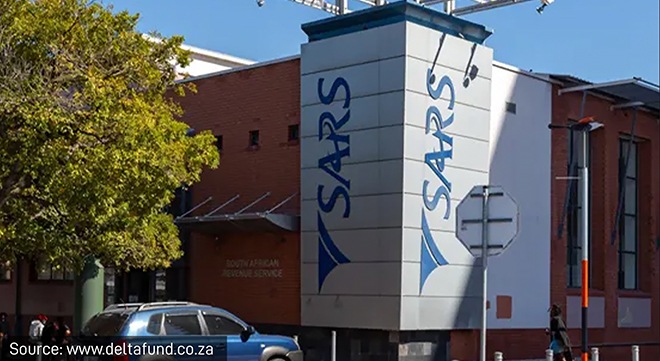
A High Court ruling confirms that SARS must honour lawful settlement agreements and cannot rely on internal systems or administrative hurdles to escape binding terms.
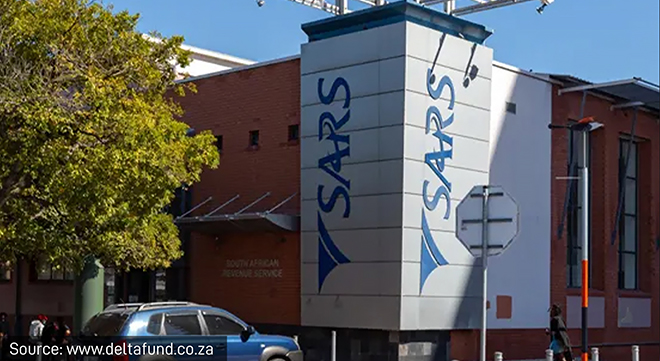
The conviction highlights ongoing investigations under Project Blue Lights into systemic tender manipulation and corruption within the police service.

PwC finds a downward trend in penalties and verification risk. Yet corporate taxpayers continue to voice concerns over consistency, fairness, and accessing SARS support.


The MTBPS raises the 2025/26 gross revenue estimate by R19.7bn but warns of a R15.7bn shortfall against Budget estimates for 2026/27.

VAT-registered schools will have to deregister from 1 January 2026, but the deemed output VAT on retained assets will only be payable the following year.

Although the amendment will not proceed, Treasury remains concerned about double non-taxation and will re-engage with the industry to find a balanced approach.

ISASA says there has always been a distinction between exempt (educational) and taxable (commercial) supplies.

Every rand overpaid to SARS is an opportunity cost. Allocate refunds to debt repayment, savings, or retirement contributions for greater long-term benefit.

The amendment treats foreign pension benefits like other residence-sourced income, shifting the retirement planning landscape for South Africans who worked overseas.

The proposed blanket exemptions for goods and services supplied by schools will force VAT-registered schools to deregister and lose input-tax recovery.

Tax specialists say stagnant thresholds have the opposite effect of policy aims – instead of freeing SMEs to scale up, they incentivise remaining under the threshold.

Supreme Court rejects SARS’s argument that the expert’s opinion was tainted by self-interest because of the fee he would earn.

The fuel levy hike remains in force, but a broader court challenge over the finance minister’s power to increase taxes continues.
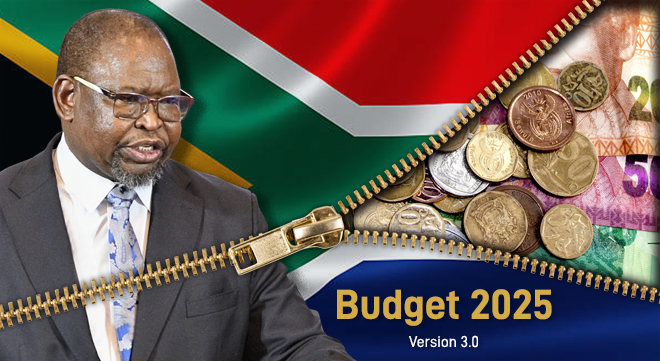
An inflation-linked rise in the general fuel levy will in no way be sufficient to plug the revenue hole left by scrapping the two VAT increases.

The Supreme Court of Appeal confirms that re-quantifying a tax debt post-rescue commencement doesn’t create a new, preferential liability – cementing SARS’s place as a concurrent creditor under an approved rescue plan.

UCT tax lecturer Ben Cronin argues that by allowing the minister to amend the income tax rates by announcement in the Budget, Parliament has overstepped its competence, eroding the doctrine that places legislative authority firmly in its hands.