



R2m fine as FSCA tightens net on unlicensed investment schemes
Twin enforcement actions show sustained pressure on unauthorised operators and market misconduct.
Twin enforcement actions show sustained pressure on unauthorised operators and market misconduct.

National Treasury Director-General Duncan Pieterse says South Africa’s core fiscal challenge is structurally low economic growth that trails population expansion.

South Africa’s removal from the EU’s high-risk list eases regulatory friction, but economists caution that rebuilding investor confidence will be gradual.

Ikhosi yokuqala ye-MBSE’ ye-CPD kwi-siXhosa yenza uqeqesho lokuthotyelwa (compliance training) lufikeleleke ngakumbi ngemathiriyeli eguqulelweyo, izihlokwana (subtitles) , kunye novavanyo.


The authorities say that supervision, prosecutions, and measurable outcomes must continue to avoid re-listing as the next mutual evaluation starts in 2026.

Analysts say sustained capital inflows will depend on continued reform, enforcement, and the wider global backdrop.

MBSE’s first CPD course in isiXhosa makes compliance training more accessible with translated material, subtitles, and assessments.

While submissions of the mandatory Risk and Compliance Return improved over the past year, 30% of institutions targeted by the FIC’s directives had not complied by March 2025


Requests for reports from the FIC rose by 17% in 2024/25, reflecting the FATF’s pressure on South Africa to strengthen its anti-money laundering efforts.

As regulatory enforcement escalates, MBSE’s specialised FICA, POPIA and NCA short courses provide financial professionals with the most practical way to stay compliant, avoid costly penalties, and build lasting client trust.

The Financial Action Task Force’s Plenary in October will decide whether to remove South Africa from the grey list.

The FATF’s mutual evaluation in April 2027 will drill down into how well AML/CFT measures work in practice rather than just ticking technical boxes.

South Africa now awaits an on-site visit by the FATF Africa Joint Group – paving the way for an anticipated exit from the grey list at the October plenary.

What the Authority expects from financial services providers when it conducts Financial Intelligence Centre Act inspections.

Financial institutions that proactively embed governance, technology, and culture to meet evolving regulatory standards will not only avoid penalties but also strengthen credibility, build resilience, and drive long term value.

The Financial Intelligence Centre issues a stern reminder to designated non-financial entities – particularly legal practitioners and estate agents – to file their overdue risk and compliance returns.
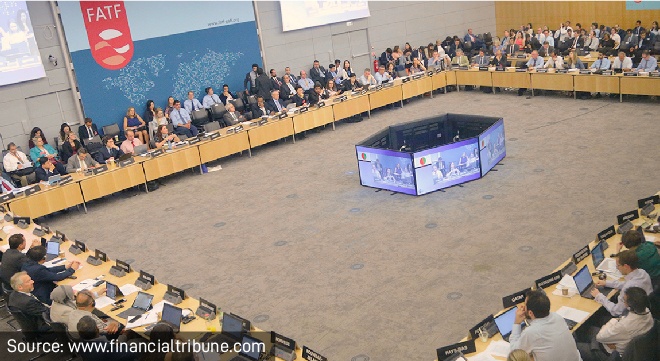
South Africa is yet to demonstrate ‘sustained effectiveness’ in investigating and prosecuting serious money laundering and terrorist financing activities