




The rising cost of money
South Africa’s debt outlook is improving, according to the Medium-Term Budget Policy Statement. But what could higher borrowing costs globally mean for local households, businesses and the public purse?
South Africa’s debt outlook is improving, according to the Medium-Term Budget Policy Statement. But what could higher borrowing costs globally mean for local households, businesses and the public purse?

The draft legislation would require governments to set and report against their own fiscal objectives, with Parliament and the Financial and Fiscal Commission given stronger oversight roles.
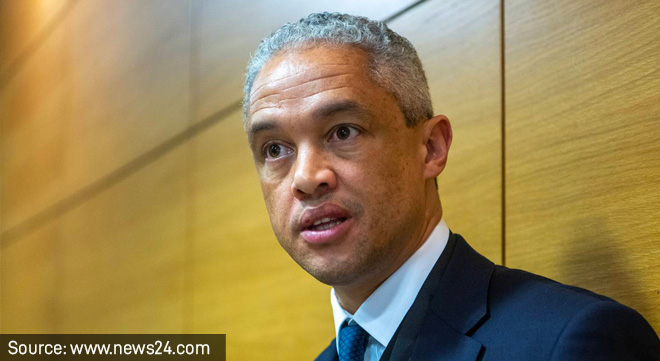
The proposed framework would require future administrations to set out fiscal plans consistent with sustainable public finances and a declining debt burden.
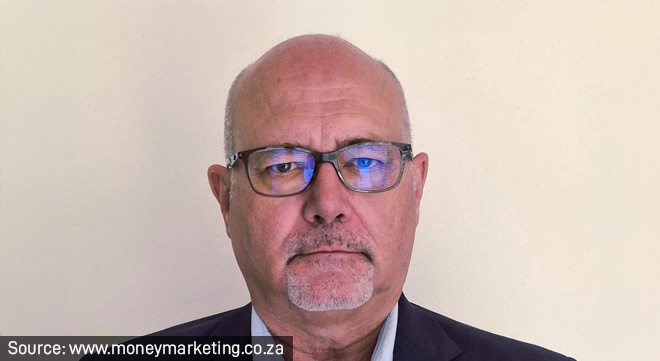
Improving domestic fundamentals, a potentially weaker US dollar, and lower inflation could mean the rand depreciates more slowly than investors have come to expect.


From the rand and commodities to electricity and logistics, several pieces of the South African investment story are moving in the right direction.
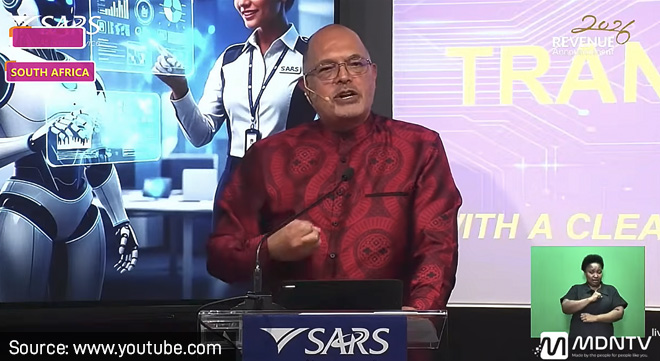
Milestone caps Kieswetter’s tenure as a new commissioner prepares to take office from 1 May.

A R3-per-litre levy cut cushions April’s fuel spike, but rising oil prices and expiring relief point to steep increases ahead.
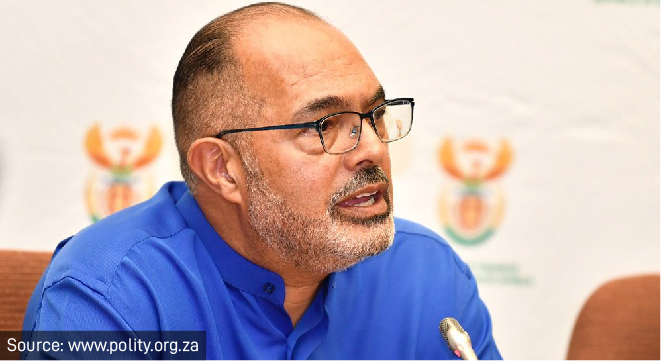
Search-and-seizure operations targeting customs corruption mark a move from policy to enforcement, as SARS steps up efforts against illicit trade draining billions from the fiscus.
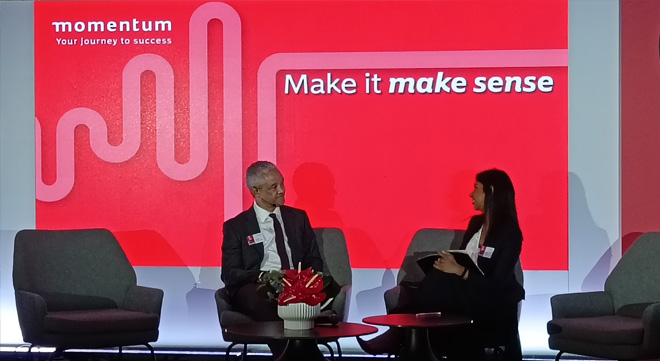
National Treasury Director-General Duncan Pieterse says South Africa’s core fiscal challenge is structurally low economic growth that trails population expansion.

For investors, geopolitics is no longer background noise. It is a core driver of supply chains, inflation, and sovereign risk premia, says Momentum’s Sanisha Packirisamy.
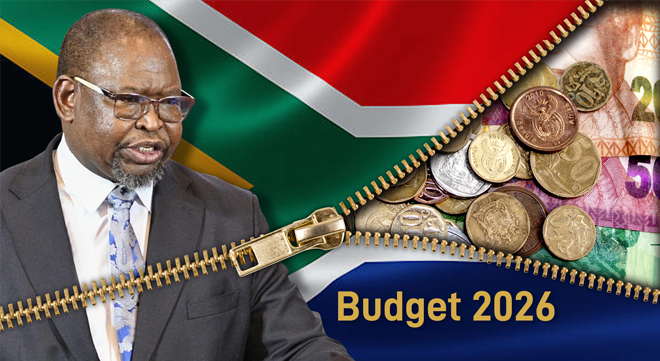
A tighter, more disciplined Budget channels spending into social support and infrastructure while cutting waste to avoid tax hikes.
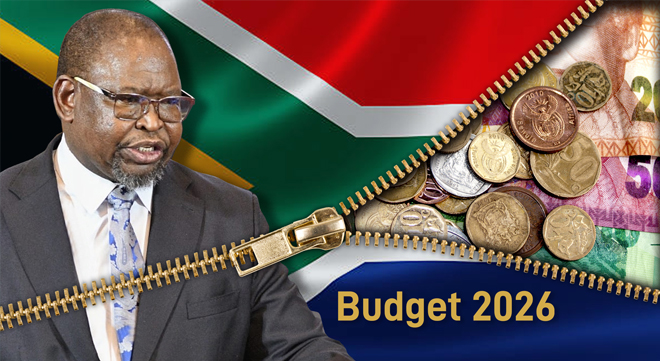
While borrowing remains substantial, improving bond yields, firmer revenue, and reduced debt-service growth suggest a more credible consolidation path.
The ratings agency says long-awaited reforms could finally lift South Africa onto a firmer growth path, with momentum expected to build steadily from 2026.
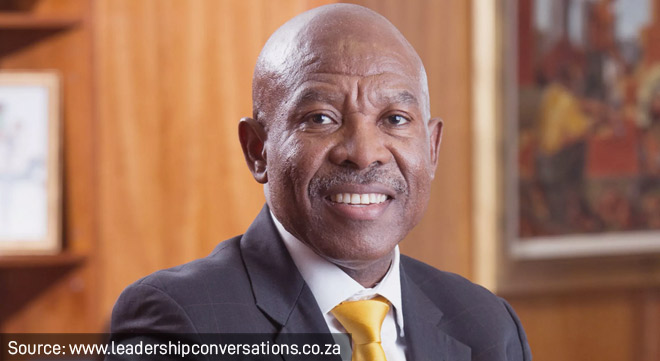
Reserve Bank Governor Lesetja Kganyago says permanently lower inflation, fiscal consolidation, and reduced country risk could cut interest rates and create space for sustainable growth.
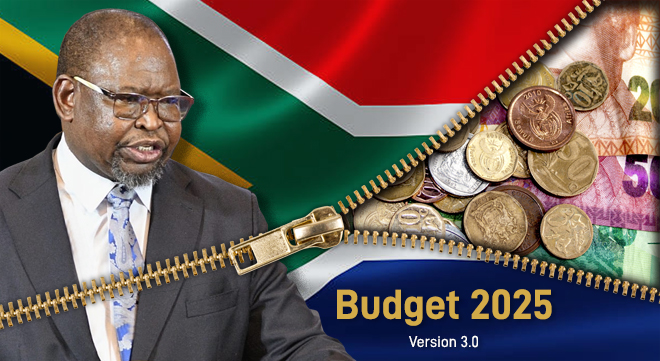
The National Assembly has passed the 2025 Appropriation Bill, unlocking R2.3 trillion in government spending.
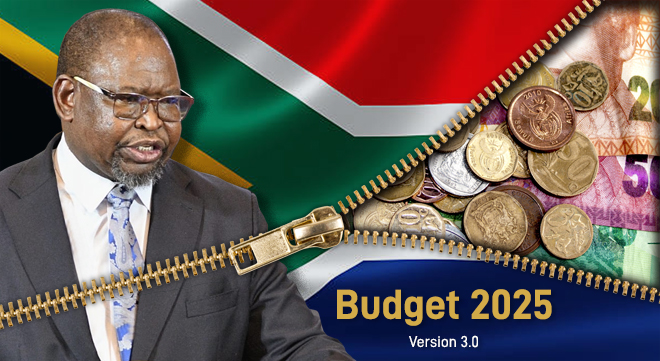
The revised Budget reveals the hard truth: with limited borrowing room and rising demands, Treasury must make tough calls on what to fund – and what to cut.
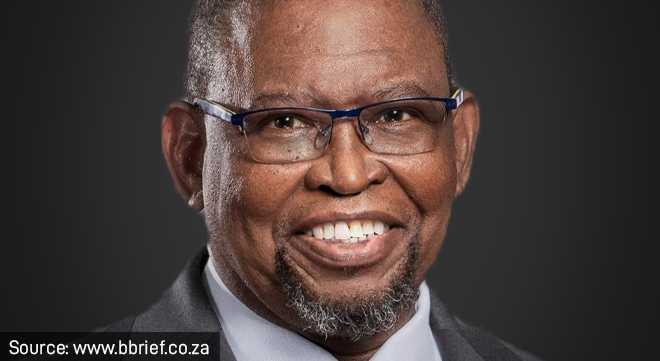
South Africa’s credibility among investors and ratings agencies will depend on whether the government meets the fiscal targets it has set, says Treasury.