


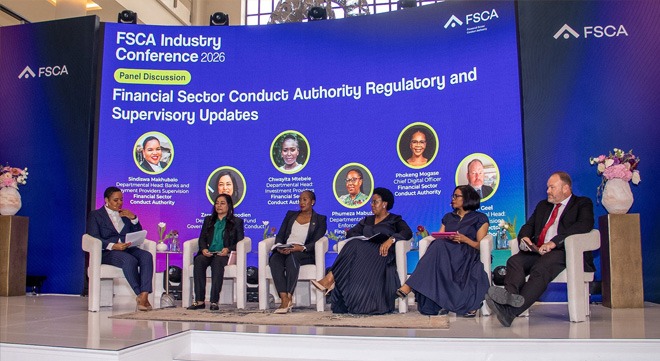
FSCA signals delay to Omni pilot as rollout reaches ‘inflection point’
Officials outline key supervisory areas affecting financial institutions, with a focus on governance, AML controls, cyber resilience, and consumer-facing risks.
Officials outline key supervisory areas affecting financial institutions, with a focus on governance, AML controls, cyber resilience, and consumer-facing risks.

The draft directive requires certain accountable institutions to submit RCR questionnaires covering information from 2023 to 2026.

Moonstone Compliance’s analysis identifies recurring shortcomings that FSPs should fix to avoid enforcement action.

The draft PCC reinforces zero-threshold travel rule application, mandatory real-time monitoring, enhanced controls for unhosted wallets, and strict freezing obligations.


SPVs designated as accountable institutions must comply with FICA in full, including independent registration and adherence to RMCP and reporting requirements.

The draft ARP Manual introduces licensing, capital, and AML/CFT obligations for informal remittance providers.

The legislation will strengthen reporting and governance obligations across the non-profit, corporate, and financial sectors.

MBSE visits automotive dealerships to equip F&I professionals with CPD, FICA, and POPIA training tailored for their workplace needs.

Accountable institutions will have to provide comprehensive information on the location of their operations when registering with the Financial Intelligence Centre.

The rising number of investigations and inspections underline a shift from registration to active supervision.

Accountable institutions should adopt practical, risk-based RMCPs tailored to their operations, rather than relying on lengthy templates.
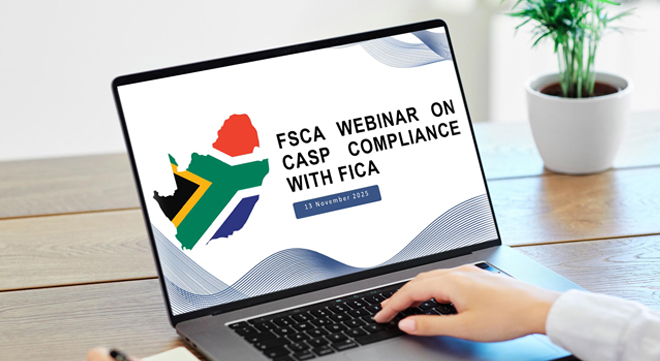
The FSCA has uploaded recordings of its five-part webinar series aimed at helping CASPs meet their FICA obligations.

Ikhosi yokuqala ye-MBSE’ ye-CPD kwi-siXhosa yenza uqeqesho lokuthotyelwa (compliance training) lufikeleleke ngakumbi ngemathiriyeli eguqulelweyo, izihlokwana (subtitles) , kunye novavanyo.

I-FSCA ifumanise ukuba zombini iifemu azinabuchule bokulawula umngcipheko, kubandakanywa ii-RMCPs ezinqongopheleyo, inkuthalo ephantsi yabathengi, kunye nokusilela ukuhlola ngokuchasene noluhlu lwezohlwayo.

A 2021 inspection found late submission of suspicious activity reports, inadequate staff training, delayed monitoring responses, and shortcomings in the bank’s RMCP.

The judgment dismissed parts of Sasfin’s exceptions and left SARS’s statutory claim under the Financial Sector Regulation Act to proceed.

The FSCA identified serious lapses in Harith General Partners’ risk management, client due diligence, sanctions screening, and employee vetting.