




Authority reverses expected deficit to post R118.7m surplus
Levies supplied almost 89% of revenue, while the financial statements recorded a R4.04bn impairment against gross penalty debtors of R4.06bn.
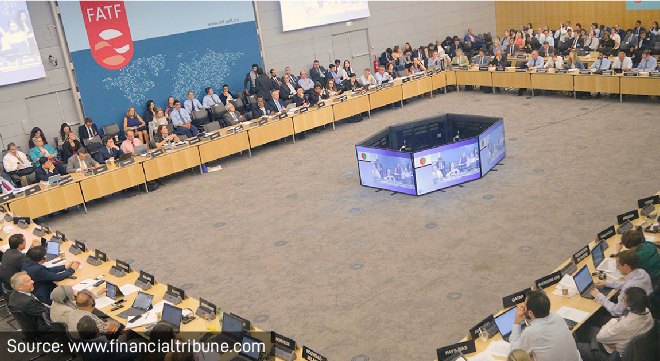
A targeted review of virtual-asset oversight coincides with South Africa’s fifth-round evaluation, which will examine the effectiveness of its financial-crime controls.
Levies supplied almost 89% of revenue, while the financial statements recorded a R4.04bn impairment against gross penalty debtors of R4.06bn.

Higher-risk institutions were found wanting on RMCPs, customer due diligence, registration requirements, and targeted financial sanctions screening.

Demand for financial intelligence remained high as the Centre supported court proceedings, asset-recovery work, and the Madlanga Commission.

CASPs helped the FIC exceed its illicit-flow intelligence target, while only 176 of the 362 registered providers submitted Directive 7 returns.

The judgment considered Bidvest’s contractual authority to suspend the account separately from SARS’s subsequent use of section 179 of the Tax Administration Act.

The new CEO inherits a Fund grappling with a large claims backlog, mounting legal costs, and management instability.

Hina Shavdia joins as COO as Santam increases Lloyd’s capacity and expects a larger loss before the business reaches break-even.

The FST says the factors in section 167 of the FSRA are individual in nature and must be assessed in determining the appropriate penalty for each person.

The Court says confidential information cannot be disclosed simply because it may be relevant to litigation, reinforcing the protections built into FICA.

The developing FSCA value-for-money approach puts costs alongside investment performance, service quality, governance, and member outcomes.

FSCA deputy commissioner Farzana Badat offers a glimpse into the regulator’s thinking on accountability, privacy, and human oversight.

The standalone system introduces new registration, seller relationships, and record-keeping requirements.
The wording of several provisions has been refined, but procurement-related drafting and the response to concerns raised by the NPO sector remain outstanding.

The determination highlights the need for independent judgment, proper investigation, and clear reasons when allocating benefits among dependants.
The High Court recognised the potentially serious prejudice to the applicant but found that his evidence did not meet the threshold for interim relief.

The rules governing public procurement remain in place, but the government’s plan for a new framework has been sent back to the drawing board.

A caller posing as an Absa official persuaded the company’s financial manager to approve electronic links while unauthorised transactions were processed.