The criminal fallout from the SAPS procurement scandal has widened, with Grey Apple Trading director Tshepo Khoza sentenced to an effective four years in prison for tax fraud linked to the contentious DNA project contracts.
The Investigating Directorate Against Corruption (IDAC), working alongside the South African Revenue Service, announced the conviction as part of its sweeping Project Blue Lights investigations into systemic tender manipulation within the police service.
Khoza was handed a six-year direct imprisonment term, with two years suspended, after being convicted on three counts of fraud – one of them a Schedule 5 offence – and for failing to register for VAT in contravention of the Tax Administration Act.
The offences relate to undeclared income of roughly R3.6 million earned by Grey Apple through SAPS contracts between 2015 and 2018, despite Khoza having declared the company dormant.
A pattern of procurement manipulation
Although Khoza’s recent conviction relates strictly to tax offences, court papers paint a broader picture of alleged procurement abuses that have become central to the criminal investigation now under way.
According to a 2024 High Court judgment, which confirmed a provisional restraint order against Khoza, his companies and several family members, the evidence submitted by the National Director of Public Prosecutions was “uncontested and unchallenged”.
Khoza is described as the sole director – and likely sole shareholder – of both Grey Apple Trading and Black Rebel Projects. He is also the nephew of Lieutenant General Adeline Lungiswa Shezi, a senior SAPS officer cited as the fifth defendant.
Shezi’s career trajectory placed her close to procurement decision-making. She joined SAPS in 1991 and, by 2015, was serving as Divisional Commissioner for Technology Management Services, a role central to major ICT and forensic laboratory tenders.
The founding affidavit in the restraint proceedings detailed how:
- Black Rebel Projects won a 2014 SAPS pamphlet-printing contract after three quotations were obtained — two of which were later disowned by the suppliers whose documents were allegedly used.
- Grey Apple, which “did not trade” before 2016, secured a R476 250 first-aid kit contract after Khoza allegedly persuaded two individuals to form companies and submit bids. Both later filed affidavits stating Khoza completed documents on their behalf, including price pages they denied ever signing.
- The evidence suggested that “Tshepo would complete documents on behalf of others without their knowledge… manipulating the allocation of the tender allocation”, using his familiarity with SAPS procedures and his proximity to Shezi.
Although the High Court proceedings were limited to asset restraint, the allegations echo the procurement irregularities being probed under Project Blue Lights.
Khoza and several co-accused are due back in court on 22 February 2026 for the corruption trial.
False tax declarations underpin the conviction
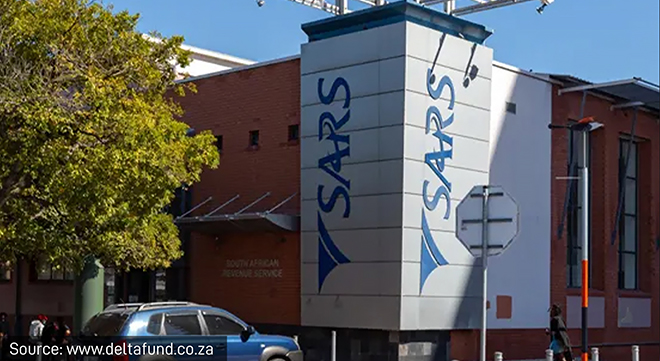
SARS and IDAC confirmed that Grey Apple earned about R3.6m from SAPS’s DNA project tenders between 2015 and 2018. Despite this, Khoza filed tax returns declaring the company dormant, failed to disclose income, and did not register for VAT.
SARS Commissioner Edward Kieswetter welcomed the ruling, describing tax fraud as a direct assault on the state’s ability to deliver services.
“Tax fraud is not a victimless crime. It is theft from the national fiscus and, ultimately, from the millions of South Africans who depend on government services for education, healthcare, and social support. Every rand stolen through fraudulent schemes undermines our country’s ability to deliver on its constitutional mandate. SARS will not tolerate such conduct. We will pursue every case relentlessly, and those who choose to defraud the system must know that accountability is certain and justice will prevail,” he said.
IDAC head Advocate Andrea Johnson commended the collaboration between investigators, saying the case demonstrates the state’s determination to disrupt corruption networks that have long operated with impunity.
Part of a wider clean-up of SAPS procurement
Authorities say Khoza’s conviction strengthens the multi-agency drive to tackle corruption across SAPS procurement systems, particularly those linked to the forensic laboratories and the high-value DNA project.
IDAC and SARS indicated that the case forms part of a deliberate strategy to “dismantle networks that undermine fiscal integrity and public trust”, with more arrests and prosecutions expected as Project Blue Lights continues to unfold.
The developments suggest that Khoza’s tax conviction may be only the beginning of the legal consequences arising from the intertwined financial and procurement irregularities now under scrutiny.