

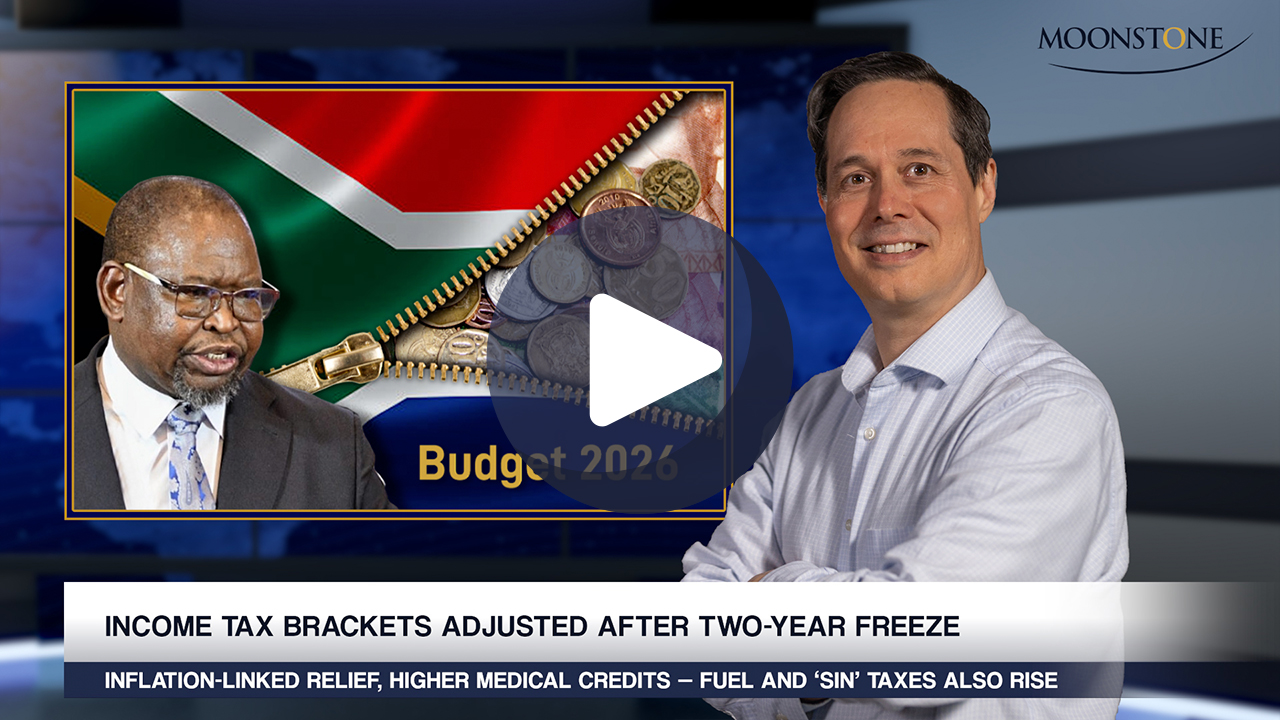

FSCA to sharpen ESG disclosure rules as scrutiny shifts to conduct
Guidance under development signals stricter application of existing rules to sustainability claims and disclosures.
Guidance under development signals stricter application of existing rules to sustainability claims and disclosures.

Rare but complex EV fire incidents are forcing insurers to rethink pricing, claims, and underwriting models.

New guidance forces CASPs to verify and transmit transaction data in real time – or halt the transfer.

Judgment confirms that such guarantees require licensing under the Insurance Act, resolving a long-running classification dispute.


Discussion paper weighs regulation, codes and hybrid options as data quality and governance risks come into focus.

The FIC is inviting industry comment on draft guidance that sets out how institutions must complete and submit their 2026 risk and compliance returns before the April deadline.
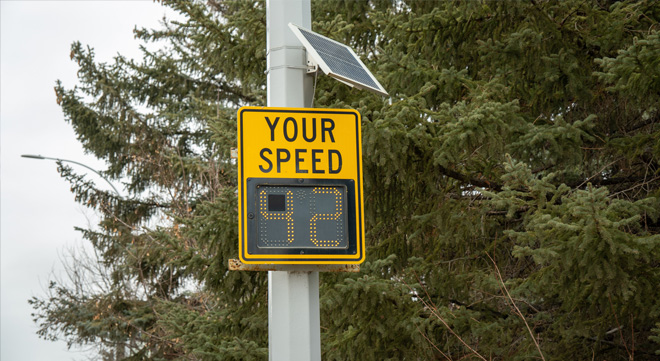
Motor insurance data shows most rejected claims are still driven by preventable driver behaviour, with direct implications for underwriting, advice and client risk.

Rulings show weak controls can force retirement funds to repay benefits years later, with interest.


Missed submissions could trigger enforcement as the Regulator scrutinises how firms handle access to information requests.

Sanlam and Momentum outline how they are managing workforce, operations, and risk as the Bonitas transition proceeds despite an unresolved court challenge.

The group plans to combine healthcare and financial data to refine risk assessment and product pricing.

An interconnected conflict environment is driving risks, with local insurers advised to review policy wording, reinsurance arrangements, and portfolio concentrations.

Discovery Life’s 2025 statistics show 65% of payouts go to living benefits – advisers must rethink risk, product design, and client conversations.

Businesses and travellers should review how war exclusions, sanctions clauses, and territorial limits may affect cover, says PSG.

Interconnected hazards are altering claims patterns and capital pressures for insurers – shifting priorities for brokers and corporate risk teams, says PSG Insure.

Recent COIDA amendments overhaul workplace safety, claims, and compliance rules, creating new obligations for employers and expanded rights for employees.

Political risks and violence have reached their highest position in the Allianz Risk Barometer, reflecting rising concern over war perils, civil unrest, and sabotage.