

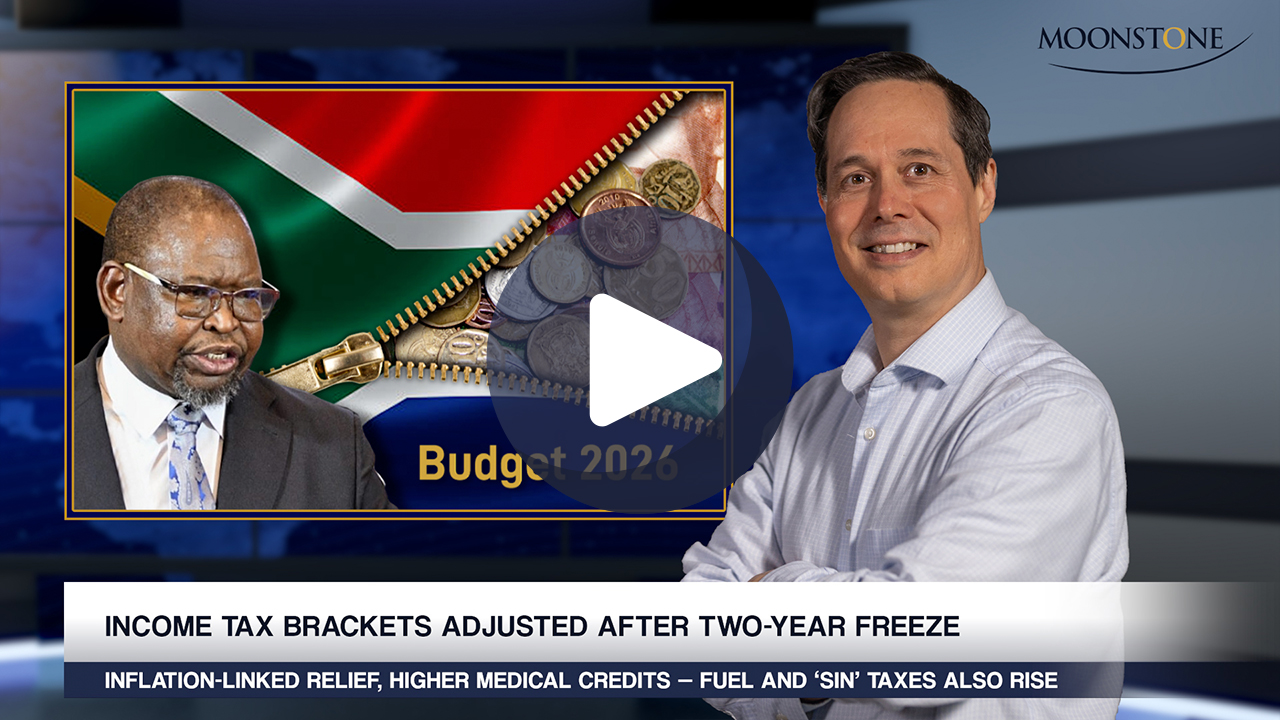

How your investments fared in a volatile first quarter
A sharp market sell-off triggered by the Middle East conflict dented first-quarter returns, but local shares, bonds and property still posted strong 12-month gains.
A sharp market sell-off triggered by the Middle East conflict dented first-quarter returns, but local shares, bonds and property still posted strong 12-month gains.

A Middle East-driven energy surge is reshaping inflation, interest rate expectations, and portfolio positioning, with direct implications for South Africa.

After attacks disrupted traffic through the Strait of Hormuz, crude prices spiked sharply – raising the prospect of higher fuel costs and renewed inflation pressure locally.

The central bank’s consultation paper outlines a structured transition to policy-rate-based lending, with fallback protections for legacy contracts.


Despite easing inflation and lower borrowing costs, South Africans entering debt counselling use 71% of take-home pay to service debt, according to DebtBusters.

The shift from prime to a repo-plus model won’t cut your debt overnight, but it promises more transparent lending.

Data from Discovery Bank and PayInc shows surging online activity, high volumes and cautious but recovering consumer spend this Black Friday.
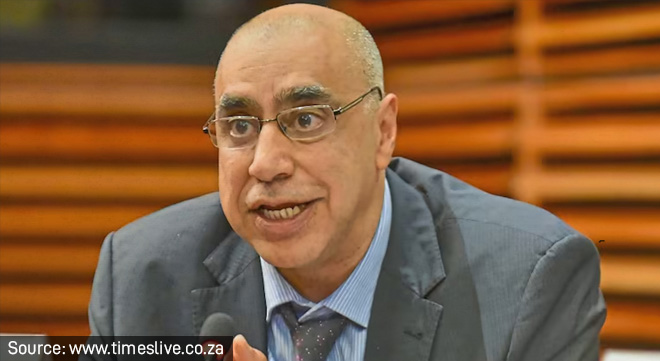
South Africa’s financial markets brace for the end of Jibar as SARB signals a major shift toward the more transparent, transaction-based ZARONIA benchmark.
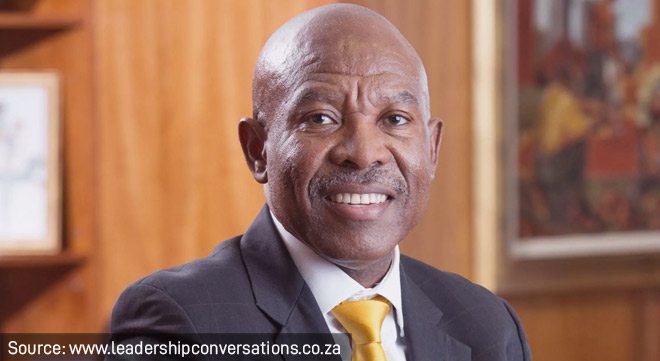
The MPC’s first rate cut in months underscores the SARB’s view that a lower target can support a gradual easing cycle.

Initial post-election gains have unwound as global commodity and manufacturing momentum converged with the world rand.
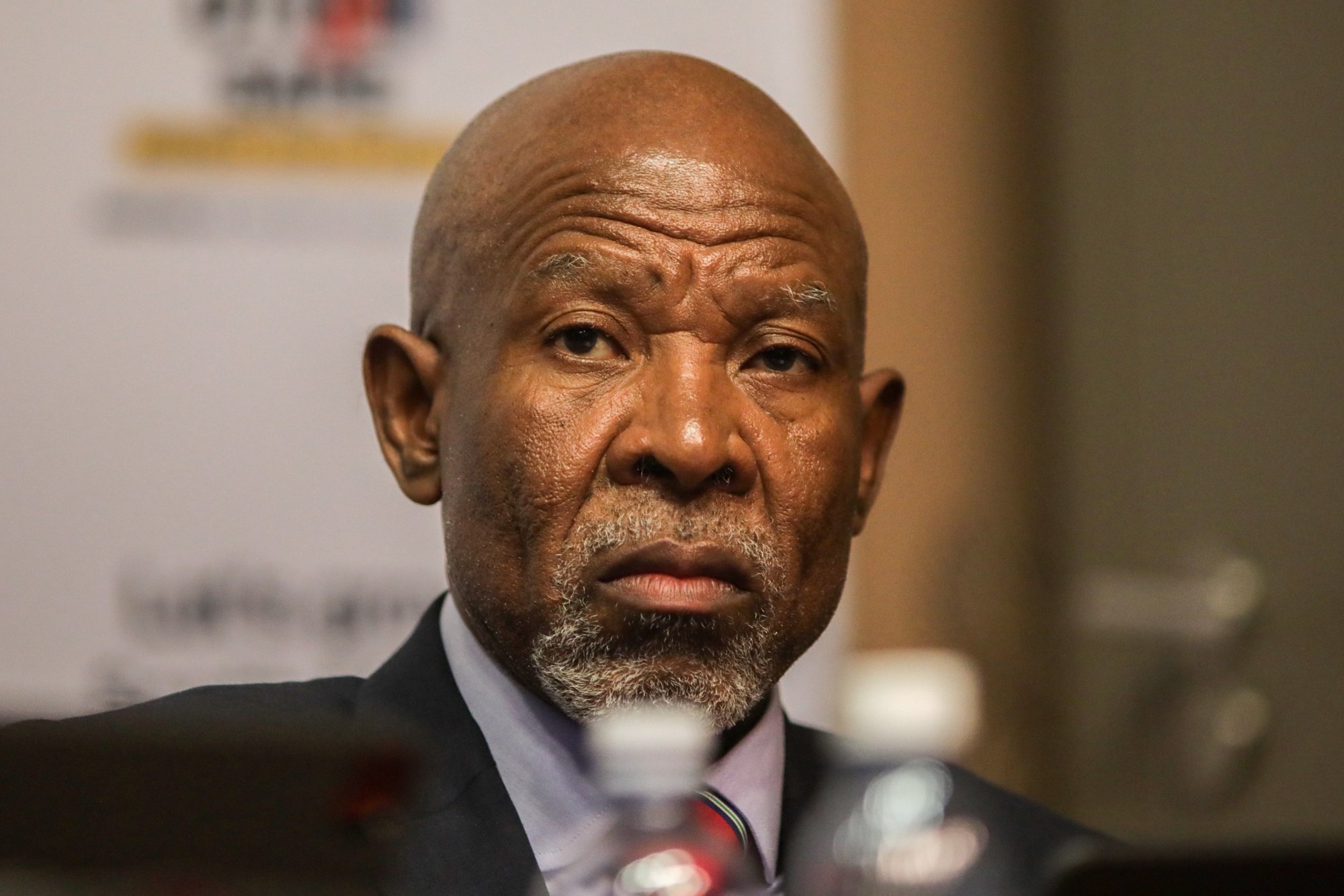
Governor Kganyago signals target reform ‘as soon as is practical’ while policymakers pause cuts.

Reserve Bank Governor Lesetja Kganyago says permanently lower inflation, fiscal consolidation, and reduced country risk could cut interest rates and create space for sustainable growth.

The Reserve Bank’s repo rate cut by 25bps to 7% signals the start of a more accommodative cycle as inflation remains firmly under control.

SARB economist Thuli Radebe explains how targeting lower inflation could ease borrowing costs and support growth – challenging fears that a 3% goal means more interest rate hikes.

Credit expansion is coming almost entirely from the deeper use of cards and personal loans by current credit-active consumers, rather than fresh market entrants, says RCS.

Despite a turbulent first quarter marked by political discord and trade-tariff shocks, CIS managers attracted R48bn in net inflows – the highest quarterly figure since 2020.

The SpendTrend25 report reveals how high interest rates and stagnant incomes are pushing consumers towards credit, loyalty rewards, and early retirement withdrawals.