

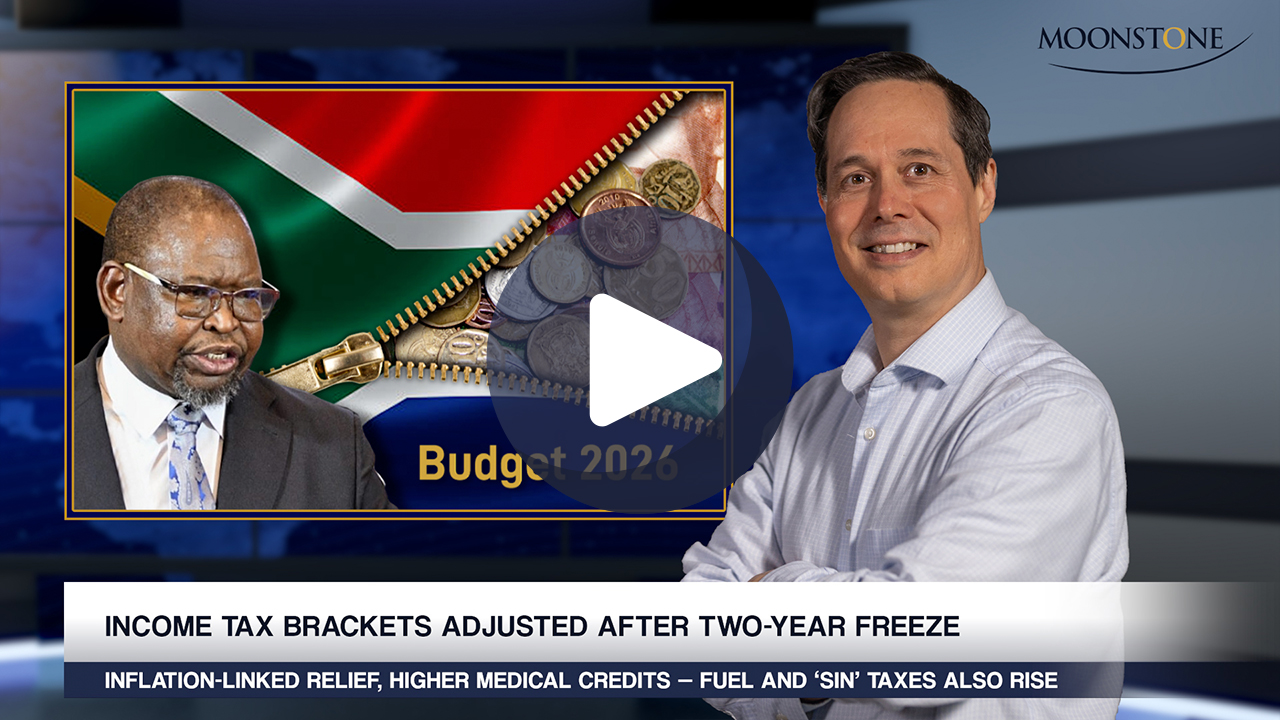

Energy shock shifts rate outlook and raises stagflation risk
A Middle East-driven energy surge is reshaping inflation, interest rate expectations, and portfolio positioning, with direct implications for South Africa.
A Middle East-driven energy surge is reshaping inflation, interest rate expectations, and portfolio positioning, with direct implications for South Africa.

After attacks disrupted traffic through the Strait of Hormuz, crude prices spiked sharply – raising the prospect of higher fuel costs and renewed inflation pressure locally.
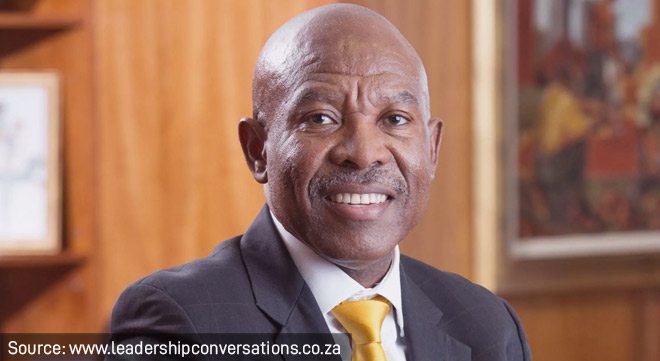
The MPC’s first rate cut in months underscores the SARB’s view that a lower target can support a gradual easing cycle.
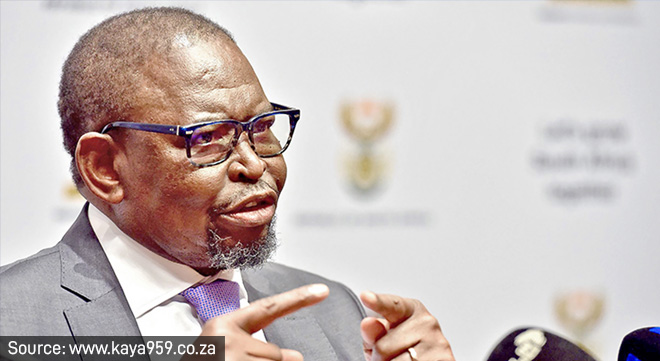
Godongwana announces a shift from the 3%-to-6% range to a 3% target with a 1-percentage-point tolerance band, to be implemented over two years.

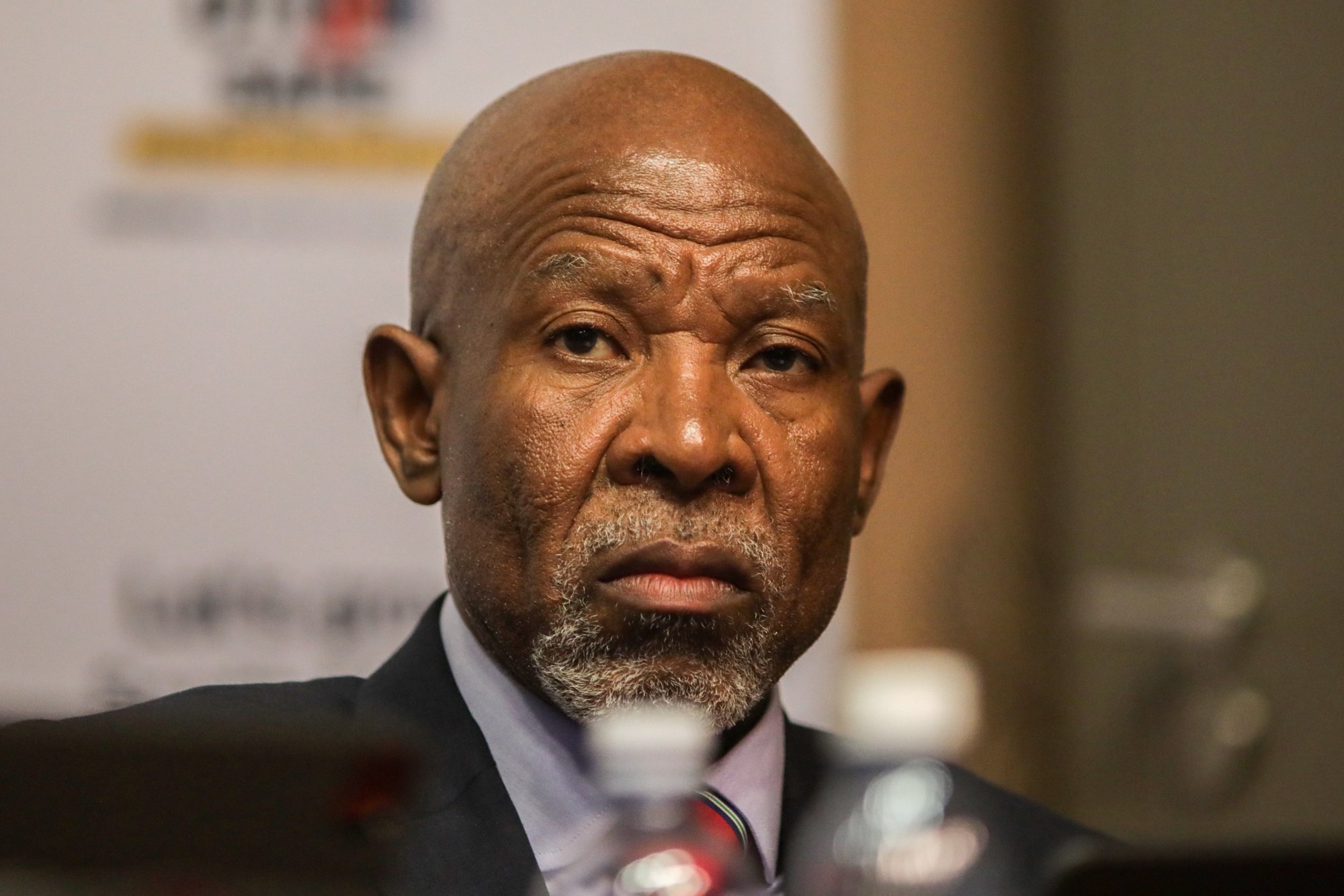
Governor Kganyago signals target reform ‘as soon as is practical’ while policymakers pause cuts.

The Council for Medical Schemes recommends capping 2026 contribution increases at 3.3% plus “reasonable utilisation estimates”, yet past trends show schemes often push far higher.

Old Mutual’s Johann Els says rising personal inflation could quietly erode household finances and retirement savings – making it vital to save early and more.
The Reserve Bank’s repo rate cut by 25bps to 7% signals the start of a more accommodative cycle as inflation remains firmly under control.

SARB economist Thuli Radebe explains how targeting lower inflation could ease borrowing costs and support growth – challenging fears that a 3% goal means more interest rate hikes.

Credit expansion is coming almost entirely from the deeper use of cards and personal loans by current credit-active consumers, rather than fresh market entrants, says RCS.
The revised Budget reveals the hard truth: with limited borrowing room and rising demands, Treasury must make tough calls on what to fund – and what to cut.

The SpendTrend25 report reveals how high interest rates and stagnant incomes are pushing consumers towards credit, loyalty rewards, and early retirement withdrawals.
A phased VAT increase and frozen tax brackets mean South Africans will pay more, while concerns grow over government spending and economic stagnation.

DebtBusters’ Q4 2024 Debt Index reveals a worsening cash flow crunch, with rising reliance on short-term loans and record-high debt service ratios.
Life insurers are expected to maintain steady profitability, but policy surrenders and competition-driven pricing pressures could impact long-term growth.
Stable growth and fiscal discipline could see South Africa’s credit rating rise two notches in the next three years.

While bullish sentiment towards equities cools, local assets remain a top pick for 2025, with gold and bonds gaining favour, BofA survey finds.