


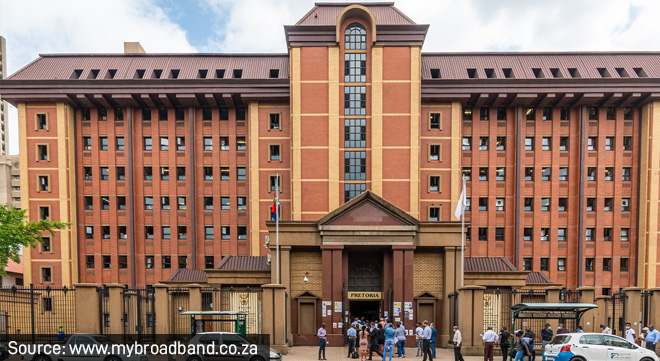
FIC cannot rely on pre-2022 non-compliance in attorney sanctions, High Court finds
Penalties cannot be based on periods before the FIC assumed supervisory authority, and remediation must be fully considered when imposing sanctions.
Penalties cannot be based on periods before the FIC assumed supervisory authority, and remediation must be fully considered when imposing sanctions.

Affidavits before the High Court set out contested positions on process, standing, and potential next steps, including whether liquidation should follow.

The Supreme Court of Appeal orders the Fund to settle R92 million in judgment debt to Newnet and comply with payment and adjudication requirements.

The judge finds that a policy operating on a claims-made basis responded according to when the claim was made, not when the alleged negligence occurred.


The Full Bench finds that the information available to the FSP was sufficient to justify initiating the statutory debarment process.

The High Court refuses leave to appeal a ruling directing the Master to accept an electronically signed document as the will of the late Justice Yvonne Mokgoro.
The declaration of invalidity was suspended for 24 months and referred to the Constitutional Court for confirmation.

The High Court finds that seizing a vehicle’s controls can make a passenger the legal driver under the RAF Act.

The judgment emphasises the responsibility of trustees to exercise their discretion fairly when deciding whether to withhold benefits in terms of section 37D.

The High Court finds Banxso knowingly benefited from deepfake adverts, misled clients about its licence and returns, and is ‘hopelessly insolvent’.
Medscheme’s bid to halt Bonitas’ administration transition has been delayed after procedural lapses and unresolved interlocutory issues forced the matter off the urgent roll.

Social media may feel informal, but legally it is still publication. And publication – if defamatory – can lead to court orders, retractions, and substantial legal costs.

The judgment also reinforces that generic voetstoots clauses or poorly explained limited warranties cannot waive statutory rights under the CPA.

The High Court rejects arguments that excess transactions processed during a system error amounted to unlawful credit extension.

The High Court overturns an earlier disallowance of the curator’s costs and reaffirms that former trustees remain personally liable for curatorship and inspection expenses.

The High Court voids the deregistration of Veritas Capital Africa, allowing HGG’s liquidators to pursue the recovery of R20.49m allegedly transferred before its collapse.
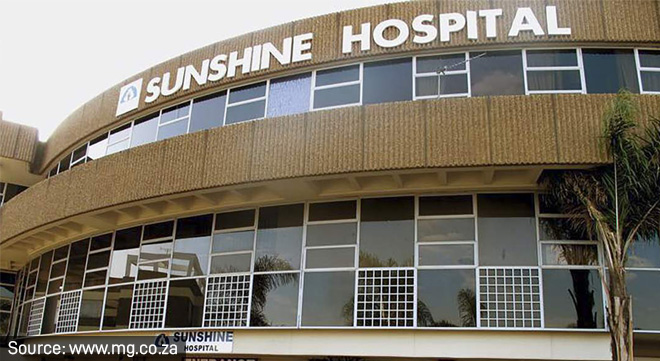
The Supreme Court of Appeal confirms that 181 unchallenged court orders obtained by Sunshine Hospital remain enforceable.