



Exiting the grey list won’t relax oversight – regulators pledge continued enforcement
The authorities say that supervision, prosecutions, and measurable outcomes must continue to avoid re-listing as the next mutual evaluation starts in 2026.
The authorities say that supervision, prosecutions, and measurable outcomes must continue to avoid re-listing as the next mutual evaluation starts in 2026.

Analysts say sustained capital inflows will depend on continued reform, enforcement, and the wider global backdrop.

In response to South Africa’s greylisting, the Authority has grown its AML/CFT team, increased on-site inspections, and ramped up fines.

New criteria require closer supervisory scrutiny of DNFBPs on market entry, ongoing oversight, and high-quality suspicious-transaction reporting.


As South Africa prepares for a tougher FATF evaluation, FSPs must master risk-based compliance – balancing security, cost, and strong partnerships to target real threats and protect legitimate customers.

The Financial Action Task Force’s Plenary in October will decide whether to remove South Africa from the grey list.

The FATF’s mutual evaluation in April 2027 will drill down into how well AML/CFT measures work in practice rather than just ticking technical boxes.

South Africa now awaits an on-site visit by the FATF Africa Joint Group – paving the way for an anticipated exit from the grey list at the October plenary.

One of the sanctioned FSPs says it’s important to request virtual meetings with the FSCA after each feedback round to ensure all compliance expectations are met.

The OREO Index, developed by leading anti-corruption experts, assesses the robustness of real estate data and anti-money laundering laws.

The need to get South Africa off the grey list has seen the FSCA beefing up its supervisory and licensing capacities.

Unathi Kamlana says the Authority will support the integration of advanced technologies and strengthen frameworks for consumer protection, cyber resilience, and financial inclusion.

South Africa is yet to demonstrate ‘sustained effectiveness’ in investigating and prosecuting serious money laundering and terrorist financing activities
The amendments to the Companies Act, FICA, and the Financial Sector Regulation Act are designed to close regulatory gaps and enhance enforcement.

The Digital and Financial Forensic Analysis Centre’s latest project is serving subpoenas electronically to obtain bank records.

The bank’s Financial Stability Review also flags the growing financial distress among households and SMMEs and the vulnerabilities in the commercial real estate sector.

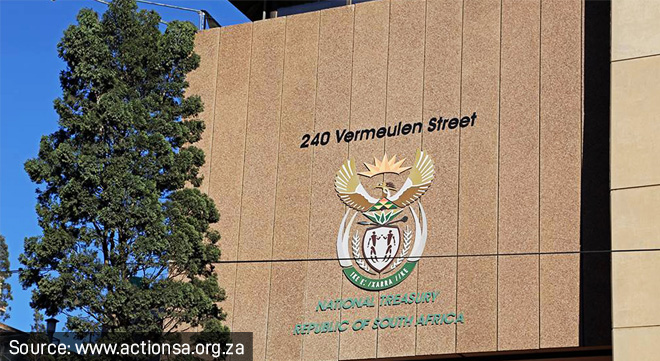
National Treasury tells companies and trusts to submit their beneficial ownership information by the end of November.