


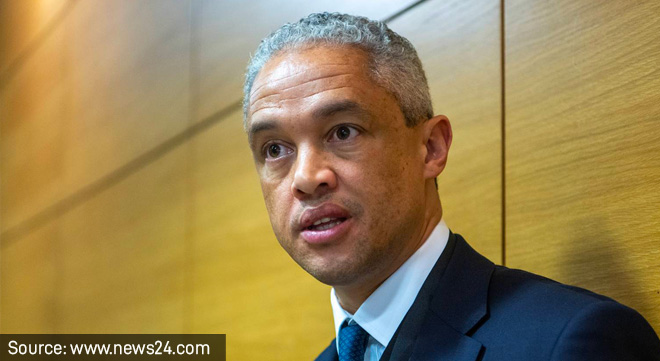
Treasury moves to lock fiscal strategy into law
The proposed framework would require future administrations to set out fiscal plans consistent with sustainable public finances and a declining debt burden.
The proposed framework would require future administrations to set out fiscal plans consistent with sustainable public finances and a declining debt burden.
Fitch’s first upgrade in 21 years caps a remarkable turnaround, but hidden liabilities, weak growth, and structural problems stand between the country and investment-grade status.

Is it time for ‘a proper austerity budget’ that will free up funds for growth-boosting infrastructure projects and service delivery?
National Treasury forecasts a narrowing deficit, from 4.8% of GDP in 2025/26 to 3.8% in 2026/27. Fitch, however, projects larger deficits of 5.1% and 4.5% respectively.

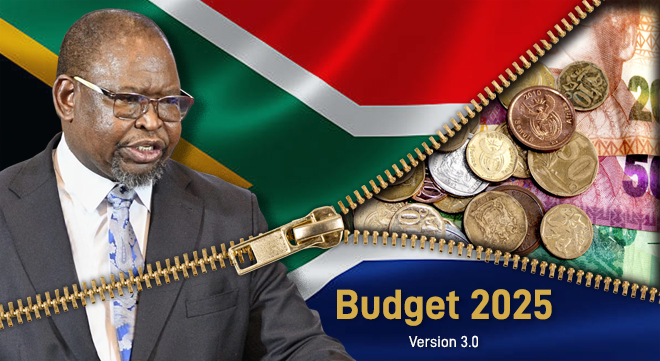
The revised Budget reveals the hard truth: with limited borrowing room and rising demands, Treasury must make tough calls on what to fund – and what to cut.
The SA Reserve Bank is concerned about the liquidity of the country’s financial markets and institutional investors’ exposure to government bonds.

South Africa’s core fiscal challenge is to get the gap between economic growth and the cost of borrowing back into positive territory.
Fitch’s recent affirmation of the country’s BB- rating underscores concerns about weak GDP growth, power shortages, faltering logistics, and a rising government debt-to-GDP ratio.