



New CPD courses tackle crypto advice and real-world ombud lessons
MBSE launches two practical CPD programmes to help advisers meet crypto compliance requirements and learn from ombud rulings shaping the financial services industry.
MBSE launches two practical CPD programmes to help advisers meet crypto compliance requirements and learn from ombud rulings shaping the financial services industry.

Regulatory initiatives across payments, digital assets, open finance and embedded finance are expected to progress this year.

Research across five countries finds consumers prefer banks over crypto platforms, citing security, regulation, and protection from scams.

Top domestic Bitcoin wallets moved nearly R63bn offshore since 2019, spurring the SARB and Treasury to develop a cross-border crypto transaction framework.


The partnership positions Absa among South African banks exploring blockchain infrastructure, offering secure custody for cryptocurrencies.

Whether clients are long-term holders of crypto or occasional traders, transparency now is better than an audit later.
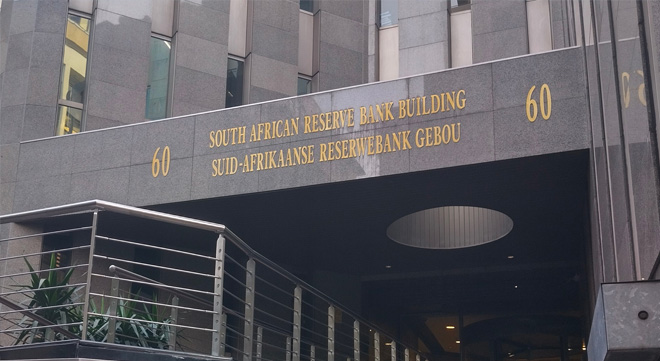
Until the appeal is resolved, the operation of the exchange control rules remains unchanged, and market participants should err on the side of compliance.

Legal experts anticipate a legislative response to plug the loophole and safeguard against large‐scale capital flight via digital assets.


Net cumulative purchases via pure Bitcoin ETFs have surged 2.5-fold since mid-March. This influx underscores growing institutional conviction in Bitcoin as a core portfolio allocation.

As the regulatory framework develops, many questions remain – particularly around whether all tokens, from fungible coins to unique NFTs, will be regulated the same way.

With SARS tightening crypto enforcement, taxpayers should review their past filings, ensure accurate reporting of crypto profits, and consider the Voluntary Disclosure Programme to avoid severe penalties and interest.

Leveraging the Model Law on Cross-Border Insolvency, the liquidators co-ordinated with courts in the US, UK, and Australia, setting a precedent for future international crypto claims.