



What happens to your debt when you die
Debt does not die with you – it becomes part of your estate, potentially affecting what your family inherits and how quickly they can access it.
Debt does not die with you – it becomes part of your estate, potentially affecting what your family inherits and how quickly they can access it.

People under financial strain tend to go looking for more credit before they look for advice. Debt-review data, search behaviour, and two-pot withdrawals suggest where that pathway runs, and where the industry could meet people sooner.

With household debt absorbing income and retirement outcomes remaining poor, Discovery has introduced a benefit aimed at addressing both pressures.

Exercising regularly is only the starting point for Discovery’s argument that everyday behaviours can have a lasting effect on earnings, debt, and retirement security.


The NFO’s Credit Division recorded a 58% jump in complaints during 2025, while recoveries for consumers more than tripled and favourable outcomes outpaced every other division.

DebtBusters data shows repayments still swallow most take-home pay, with pressure shifting upwards to higher earners and credit thinning out for lower-income households.

Lenders and dealers should dig deeper into living costs, dependants, and insurance obligations to avoid stretching consumers beyond their means.

The NFO says consumers can limit costs by acting early through voluntary termination, private sale, or Sell Assist programmes.

From no-fee schools to R200 000-plus private options, rising education costs are forcing families to budget smarter, plan earlier and rethink how they fund schooling without sinking deeper into debt.

Reserve Bank Governor Lesetja Kganyago says permanently lower inflation, fiscal consolidation, and reduced country risk could cut interest rates and create space for sustainable growth.

Fewer people are pausing contributions or dipping into investments, yet many doubt they’ll have enough for a comfortable retirement, according to the Savings & Investment Monitor.

Old Mutual warns that an increasing reliance on betting to pay bills or settle debt is eroding financial well-being.

Credit expansion is coming almost entirely from the deeper use of cards and personal loans by current credit-active consumers, rather than fresh market entrants, says RCS.
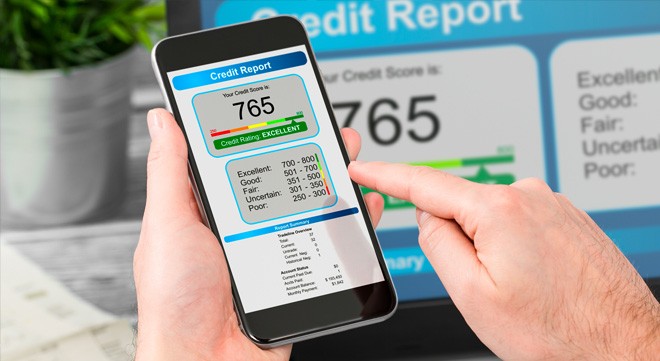
South Africa mainly uses two credit-scoring models, but they’re not identical. Understand how each model evaluates your financial habits, and how to improve your standing in both.

The prescribed interest rate isn’t just a technicality – it determines how much extra you’ll pay (or receive) in a legal dispute, and once it applies to a debt, it stays locked in, even if rates drop later.

The minister’s address to the FSCA conference also touched on regulation, South Africa’s G20 presidency, political tensions over the Budget, and economic growth.

A phased VAT increase and frozen tax brackets mean South Africans will pay more, while concerns grow over government spending and economic stagnation.