




Motorists buy less fuel per visit as rising prices squeeze household budgets
Fuel purchases among Discovery Insure clients fell 33% in October, but commuting has held steady as rising prices put pressure on household budgets.
Fuel purchases among Discovery Insure clients fell 33% in October, but commuting has held steady as rising prices put pressure on household budgets.

South Africa’s debt outlook is improving, according to the Medium-Term Budget Policy Statement. But what could higher borrowing costs globally mean for local households, businesses and the public purse?

DebtBusters’ Q2 Debt Index shows that consumers earning over R50 000 a month need more than their monthly income to service debt.

The latest Money-Stress Tracker finds persistent financial strain alongside changing coping strategies and a growing willingness among some consumers to consider debt counselling.


A Debt Rescue survey suggests many households have little capacity left to absorb higher borrowing costs, adding to concerns about rising food, fuel, and electricity expenses.
The SARB still faces risks, although lower oil prices and improving supply expectations point to a less threatening inflation path than three weeks ago.

Inflation has already erased recent gains, and higher fuel costs risk deepening the squeeze on household budgets.

DebtBusters data shows repayments still swallow most take-home pay, with pressure shifting upwards to higher earners and credit thinning out for lower-income households.

Fuel-price shocks, sticky services inflation, and global pressures are making it harder for the SARB to keep inflation anchored near its new goal, says Sanlam.

The Reserve Bank is not ruling out more rate tightening after successive fuel price jumps have revived inflation risks.

A R3-per-litre levy cut cushions April’s fuel spike, but rising oil prices and expiring relief point to steep increases ahead.

Despite easing inflation and lower borrowing costs, South Africans entering debt counselling use 71% of take-home pay to service debt, according to DebtBusters.

Old Mutual reports that 75% of 18-to-29-year-olds earn from two or more jobs, with social-media selling and small businesses playing a growing role in income strategies.

Nearly half of South Africans dedicate more than 40% of their take-home pay to repayments – and there are indications of ‘savings fatigue’.

The SpendTrend25 report reveals how high interest rates and stagnant incomes are pushing consumers towards credit, loyalty rewards, and early retirement withdrawals.
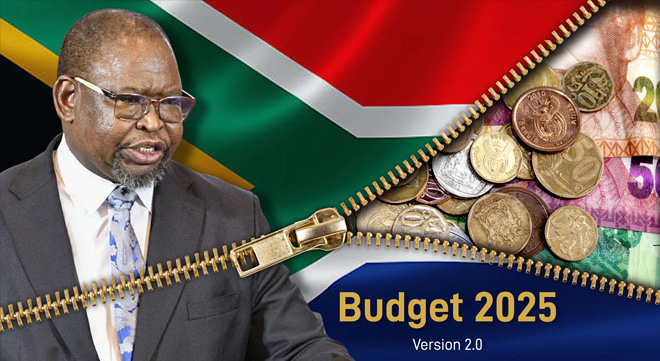
A phased VAT increase and frozen tax brackets mean South Africans will pay more, while concerns grow over government spending and economic stagnation.
Instead of hiking VAT, the government could fix its tax collection problems, improve state resource management, and stimulate the economy to boost revenue.