



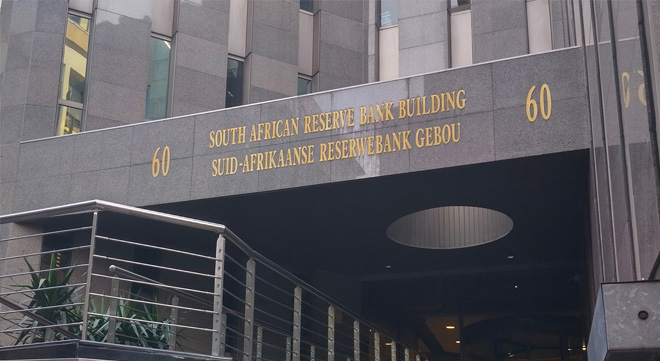
JIBAR transition enters legislative phase
A Bill before Parliament would give the SARB a statutory mechanism to address legacy contracts that still reference JIBAR when the benchmark ceases at the end of 2026.

The FSCA’s Lezanne Botha explains why signed forms and completed disclosures are not enough, and what evidence can show that advice was suitable and customers were treated fairly.
A Bill before Parliament would give the SARB a statutory mechanism to address legacy contracts that still reference JIBAR when the benchmark ceases at the end of 2026.

The new leadership team takes charge as the non-life insurance sector navigates climate risk, infrastructure challenges, technological change, and a persistent protection gap.

The Tribunal found that proceedings had not commenced before the six-month deadline, preventing it from sending the matter back for reconsideration.

The doctor’s medical knowledge did not allow Discovery Life to rely on developments he could not reasonably have known about when applying for cover.

A fraud-related cancellation almost 15 years earlier cost the policyholder his tornado claim because he failed to disclose it when applying for cover.

Practical steps for FSPs and their clients to spot, verify, and prevent fraud before a compromised email becomes a costly payment.

Global medical cost growth is easing, but South Africa’s rate remains high – putting medical schemes under pressure to balance rising healthcare costs with affordability in 2027.

The proposed framework would require future administrations to set out fiscal plans consistent with sustainable public finances and a declining debt burden.

About 24% of Fire Ops SA’s structural-fire call-outs since January were linked to alternative-power equipment.

COFI would require FSPs to have systems capable of producing reliable, regulator-ready information when the FSCA requires it.
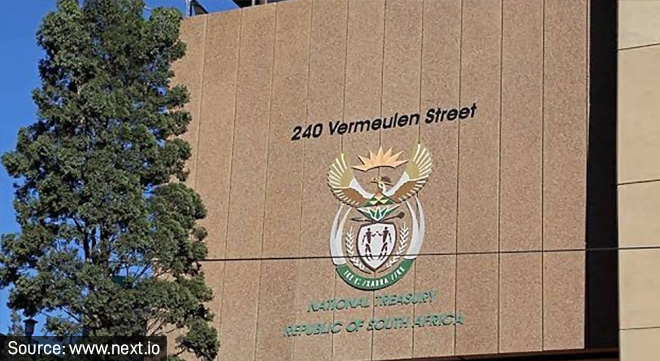
The funds were released despite incomplete compliance, with municipalities now subject to structured programmes and deadlines aimed at correcting financial and governance failures.

The Tribunal found that a serious breach of the duty to protect confidential client information can establish unfitness even where no misuse or harm is proved.

The Tribunal weighed the representative’s clean record and lack of personal gain against her deliberate falsification of a client’s investment instruction.

The High Court invalidated the BEE certificate condition for Fidelity Fund certificates but rejected most of Sakeliga’s challenge to the definition of property practitioner.

Morningstar research finds that clients are looking for more than help with specific financial problems – and advisers may need to rethink how they explain their value.

A new GoTyme-powered banking service is part of a broader strategy to build closer customer relationships, even as investment in future growth weighs on earnings.
The sanctions against Capitec, Ninety One Assurance, and Albaraka arose from inspections conducted between 2021 and 2023.


