
Tribunal upholds debarment despite rep’s remorse and financial hardship
The falsification of an insurance claim and improper referral payments are incompatible with the fit and proper requirements.
The falsification of an insurance claim and improper referral payments are incompatible with the fit and proper requirements.

The Tribunal dismisses separate applications brought by Banxso and four executives, saying they lack legal standing.

Accountable institutions should adopt practical, risk-based RMCPs tailored to their operations, rather than relying on lengthy templates.
The Authority says the penalties reflect the financial benefit gained from unlawful conduct and the harm to clients – handing 30-year debarments to several Banxso executives.


The FSCA imposes a R197m fine on Medbond Insurance Brokers and its principal, whom it debarred for 30 years.

The FSCA’s investigation concluded that South African Relocations and The Relocations Group offered marine insurance without registration.

The Authority found that most investor funds were used to pay ‘returns’ to other investors and cover personal expenses.

New end-dates extend the temporary allocation of certain supervisory duties to the FSCA and PA while regulatory frameworks are finalised.

From 1 March, new frameworks will impose expanded due diligence and information-exchange obligations on exchanges, custodians and banks.

Moonstone’s levy calculator enables FSPs to find out quickly how much they will pay to the FSCA, FAIS Ombud, and Tribunal.

The insurer did not provide supporting documents or call recordings that could resolve the material disputes of fact.
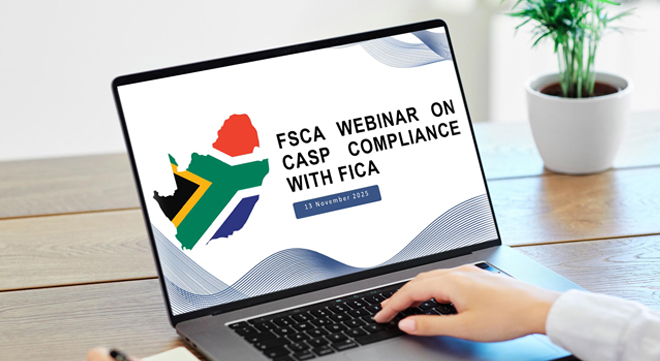
The FSCA has uploaded recordings of its five-part webinar series aimed at helping CASPs meet their FICA obligations.
The Authority’s investigation found that Medbond Insurance advised its clients to invest in non-existent financial products.

Despite a guilty plea at a disciplinary hearing, a rep’s debarment was set aside after the Tribunal found the FSP had not followed the prescribed process.
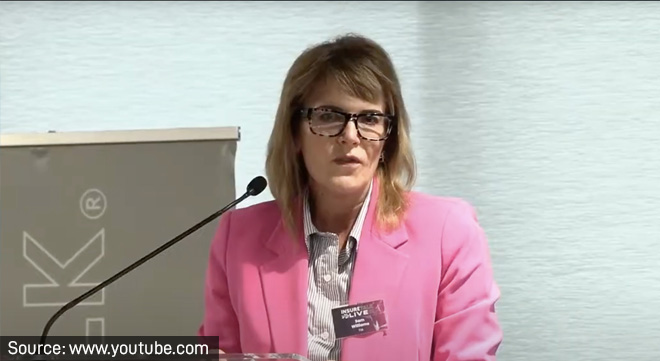
Comprehensive industry input now will influence what data the FSCA collects and how it prioritises future enforcement and benchmarking.
The FSCA has fined two individuals R2.1 million and debarred them for 20 years after uncovering an unauthorised forex-trading scheme that drew in hundreds of investors.
The recordings of the three webinars on the Return can be viewed on the FSCA’s YouTube channel.